
Dog hair has a way of showing up everywhere in El Paso homes. It clings to black work pants, rides the back seat, gathers in corners, and somehow makes it into dinner even when you swear the dog never came near the table. In our climate, where heat, dust, and busy routines already make home care harder, shedding can feel like a losing battle.
It isn't a losing battle. It's a management problem, and good management starts with the right mindset.
Shedding control for dogs isn't just about a cleaner couch. It's part of a dog's wellness plan. A heavy coat blow, dry skin, nonstop scratching, or stress-related hair loss can tell you something important long before the coat looks rough. Owners who treat shedding like a health signal, not just a housekeeping nuisance, usually get better results.
That approach fits how disciplined grooming should work. Standards matter. Workflow matters. Calm handling matters. In a veteran-owned grooming business, that isn't branding language. It's daily practice. Greatness, Loyalty, and Ownership aren't abstract values. They show up in consistent brush-outs, clean tools, controlled schedules, and the refusal to rush a dog just to push volume.
Around El Paso, families need practical care that respects both budget and quality. That might mean maintaining a strict home routine between appointments, or taking advantage of an affordable grooming promo like Snip & Style Saturday when the calendar lines up. Either way, the goal stays the same. Care for the dog first, and the coat follows.
Conquering the Tumblefurs An Introduction
A familiar scene plays out every spring in El Paso. A Lab shakes once in the entryway, and a fresh layer of hair lands on tile that was just cleaned. A German Shepherd jumps into the SUV after a park run, and the cargo area looks fur-lined by sunset. A Golden Retriever leans against the sofa for ten minutes, and the cushion tells the whole story.
That frustration is real, but it helps to call it what it is. Shedding is a normal biological process, not a sign that your dog is broken or that you've failed as an owner. The trouble starts when people swing between two extremes. They either ignore the coat until the house gets buried in fur, or they overreact with random baths, poor tools, and rushed brushing that irritates the skin.
A better approach is simple. Treat coat care like maintenance, not crisis response.
Practical rule: The dogs that stay most comfortable usually belong to owners who follow routines, not moods.
That matters even more with premium pet grooming standards. A disciplined workflow means you don't wait until mats form, dandruff builds, or undercoat packs down against the skin. You work ahead of the problem. You set a schedule. You use dog-safe products. You watch for changes in skin, hydration, behavior, and stress.
In a city like El Paso, where many owners juggle work, family, errands, and long commutes, routines have to be realistic. Some households need a short daily brushing habit by the back door. Some need a weekend deshedding block. Some rely on monthly promotions such as Snip & Style Saturday to keep grooming consistent without sacrificing standards.
That's where a veteran-owned grooming mindset has real value. Independence gives you the freedom to hold the line on quality. Long-term vision keeps the focus on the dog's condition over time, not just how the coat looks for a day or two. Shedding control for dogs works best when it's built on ownership. Your dog depends on you to notice, respond, and stay consistent.
Why Your Dog Sheds The Science Behind the Fur
You run your hand down your dog's back after a walk in El Paso, and a cloud of loose coat comes away in your palm. That can be completely normal. It can also be the first visible sign that the skin is dry, irritated, stressed, or not being supported well enough.
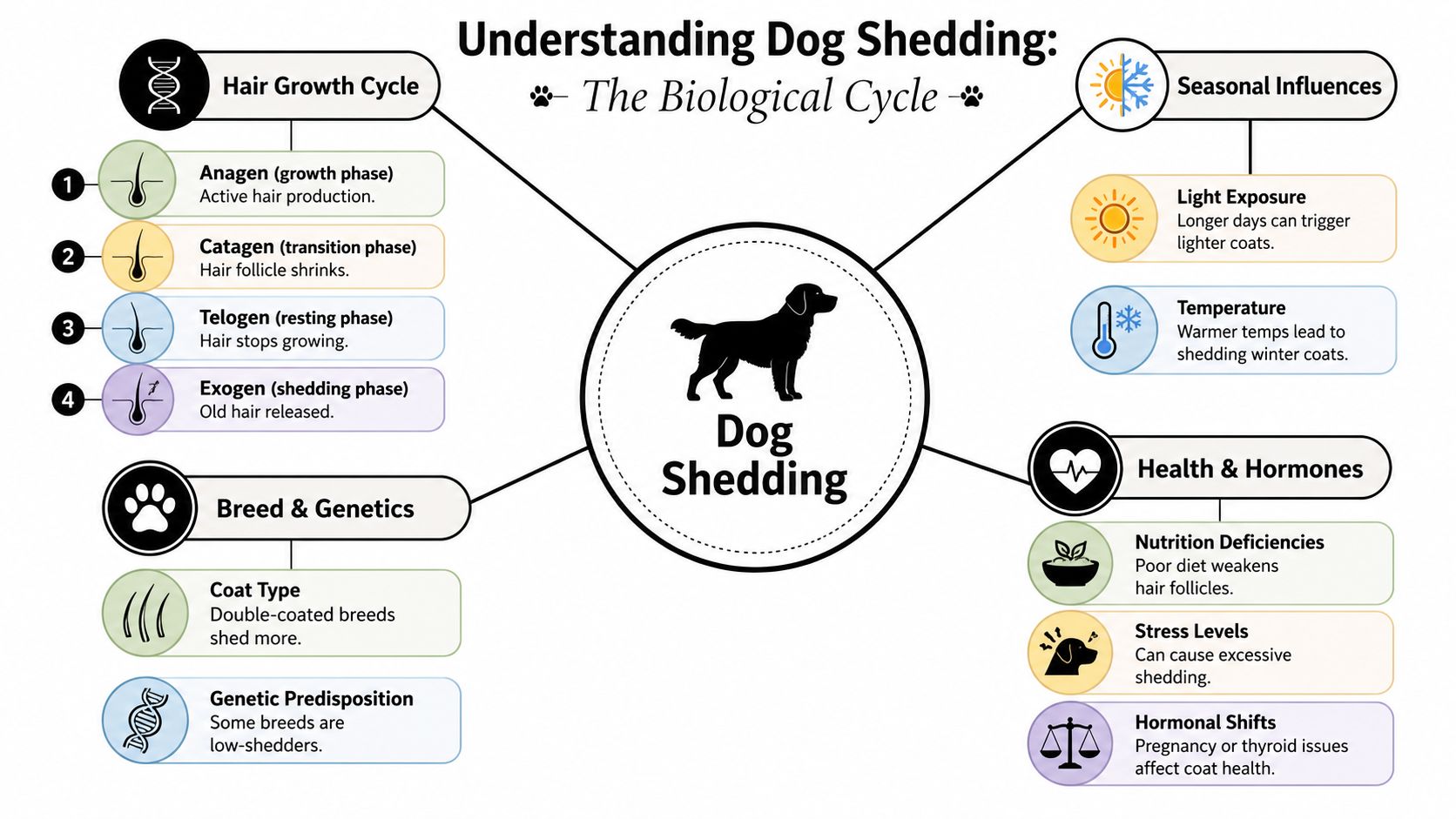
Dogs shed because hair follicles move through a cycle of growth, rest, and release. Every coat does this. What changes from dog to dog is the volume, timing, and how well the skin and coat recover between those cycles.
Normal shedding versus a warning sign
Breed and coat type set the baseline. A Labrador, German Shepherd, Husky, or any other double-coated dog will usually drop more hair than a single-coated breed because there is more coat to release, especially during seasonal transitions.
The pattern matters.
Normal shedding tends to look even. The coat still feels full. The skin stays calm. The dog is comfortable. Problem shedding usually comes with other signals such as thinning patches, redness, dandruff, greasy buildup, a dull finish, or heavier scratching than usual. Owners who see flakes along with coat drop should also look at common causes of dog dandruff, because skin condition and shedding problems often show up together.
The coat reflects internal health
A healthy coat depends on healthy skin, steady hydration, sound nutrition, and a nervous system that is not constantly under pressure. When any of those slip, the coat often shows it before owners realize something is off.
I have seen this for years in the grooming room. Dogs with stress, dry skin, poor coat maintenance, or repeated product irritation rarely shed in a clean, predictable way. They blow coat unevenly, hold dead undercoat too long, or start dropping hair while the skin looks uncomfortable underneath.
Stress deserves more respect than it gets. Dogs that struggle with crowding, rough handling, long kennel stays, or chaotic grooming environments can show more coat drop because the body stays on alert. That is one reason one-on-one professional grooming has real value in a wellness plan. The dog stays calmer, the skin gets a closer look, and coat issues are easier to catch early.
Why El Paso owners notice different coat problems
El Paso conditions add their own pressure. Dry air, dust, sun, and constant shifts between hot outdoor spaces and air-conditioned interiors can leave skin tight and coats brittle. A dog may not look filthy and still have a coat that is struggling.
That is where experience matters. A disciplined groomer does more than remove loose fur. We read the coat, check how packed the undercoat feels near the skin, watch for friction damage, and note whether the shedding pattern matches the season or points to a bigger wellness issue. At Glo More Grooming, that close, individual attention is part of the job. Chain shops often move too fast to do that well.
Good shedding control starts with understanding what the coat is telling you. Once you can separate normal coat release from skin stress or health changes, every decision gets sharper.
Your At-Home Shedding Control Action Plan
You open the front door after a windy El Paso walk, and within minutes the entryway, sofa, and truck seats have a fresh layer of fur. That kind of shedding does not get solved with a single miracle tool. It gets handled with a steady routine that protects the coat, respects the skin, and keeps small problems from turning into bigger ones.
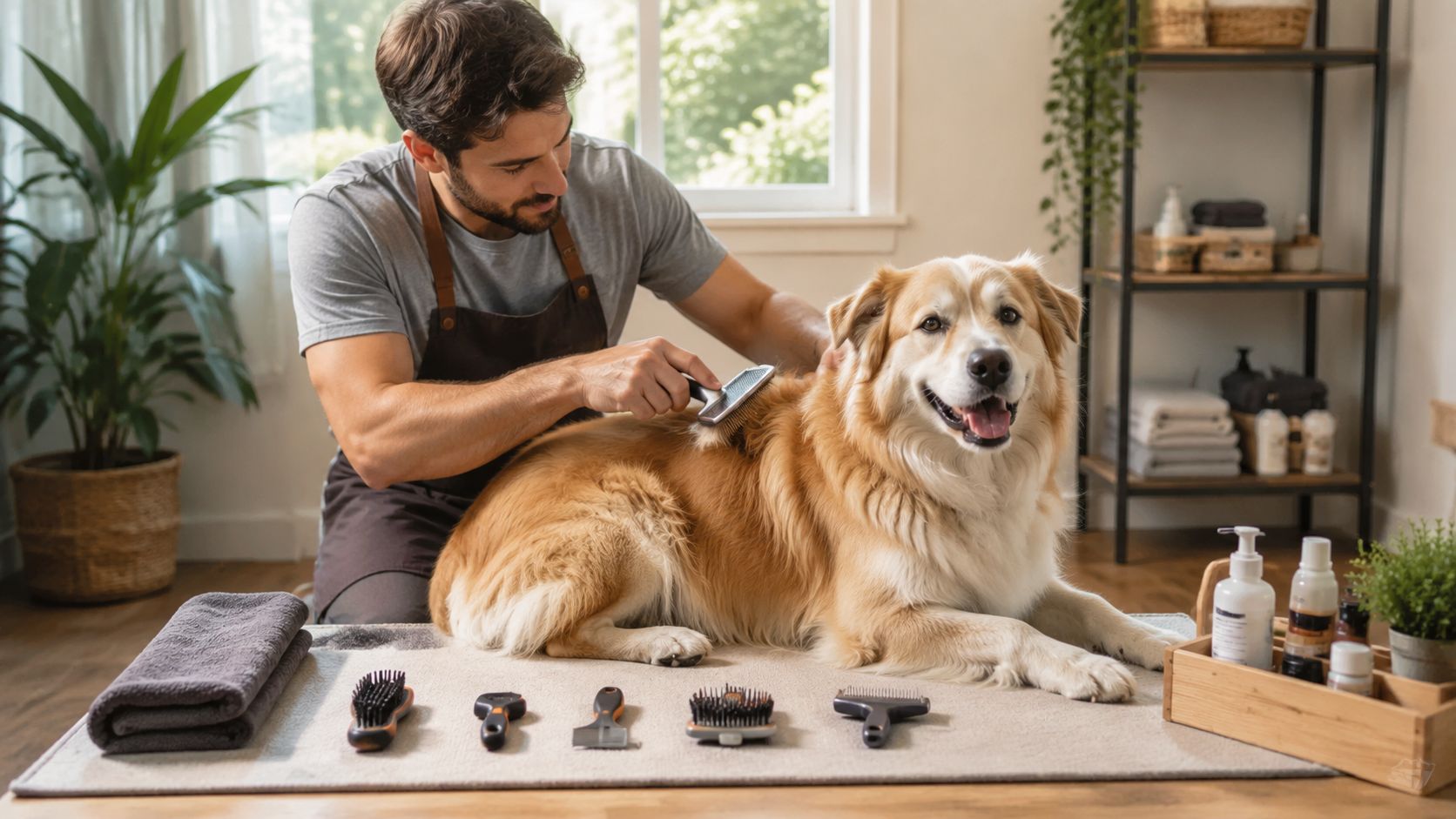
Build the weekly rhythm
During peak spring and fall shedding seasons, bathing every 2 to 4 weeks and brushing daily or multiple times a day with breed-specific tools can reduce loose hair in the home by up to 80%. Over-bathing more than once a week can backfire and increase shedding by 30 to 50%, according to AKC Pet Insurance guidance on controlling dog shedding.
That trade-off shows up in the coat fast. Owners often chase loose fur with more baths, then end up with dry skin, a duller finish, and even more cleanup.
A better home plan looks like this:
- Daily capture: Brush before loose coat spreads through the house. Rubber curry combs usually suit short coats. Slicker brushes are often more effective on longer coats and feathering because they can reach into the coat instead of skimming the top.
- Weekly inspection: Check the ears, chest, belly, tail base, rear legs, and other friction points. Packed undercoat often hides there first.
- Seasonal escalation: Increase brushing frequency during coat blow and stay on schedule. Waiting for clumps to fall out on their own usually means you are already behind.
Owners who need better brush control can use this guide on how to brush dog hair properly as a technical reference.
Use technique with the right pressure
A common mistake is brushing the surface until the dog looks tidy, while dead undercoat stays packed near the skin. That layer keeps circulating through the house and can leave the coat feeling heavy or uneven.
Work in sections. Start at the outer coat and progress inward. Slow down around the chest, neck ruff, tail, and britches, because those areas collect loose coat fast. If the skin turns pink, the brush angle, pressure, or tool choice needs to change.
Good brushing clears released coat without tearing up healthy hair.
Tool choice matters too. A double-coated dog, a short sleek coat, and a long silky coat do not respond to the same setup. Skilled grooming always matches the method to the dog in front of you. That is one reason disciplined one-on-one work gets better results than rushed, assembly-line handling.
Bathing has to be deliberate
Use dog-specific shampoo. Human shampoo can dry the skin and make dandruff, irritation, and shedding harder to control. A well-selected de-shedding formula can help loosen coat that is ready to release while giving the skin better moisture support.
Drying finishes the job. A damp coat can hold loose fur in place and leave the undercoat clumped back together after the bath.
Professional handling treats full drying as part of shedding control, not an optional extra. At home, that means taking enough time to dry thoroughly before the final brush-out.
This short video gives owners a visual sense of coat-handling rhythm and grooming flow:
Keep the house from becoming part of the problem
During heavy seasonal shed, vacuuming pet-heavy areas every day or two is often part of the routine, as noted earlier. That does not mean the grooming plan has failed. It means the coat cycle is active, and the house needs support too.
A simple home control plan helps:
| Area | What to do |
|---|---|
| Entryway | Keep a towel and brush nearby for quick post-walk cleanup |
| Sofa or bed | Use washable covers so you can remove fur fast |
| Floors | Vacuum on a fixed schedule during coat blow |
| Car interior | Brush before loading the dog, not after the ride |
Short, repeatable sessions usually beat an exhausting cleanup day every few weeks. Done right, at-home shedding control becomes part of the dog's wellness plan, and professional grooming becomes the reset point that keeps that plan working.
Fueling a Healthy Coat From the Inside Out
Some coats keep shedding no matter how often the owner brushes. When that happens, look beyond the brush.
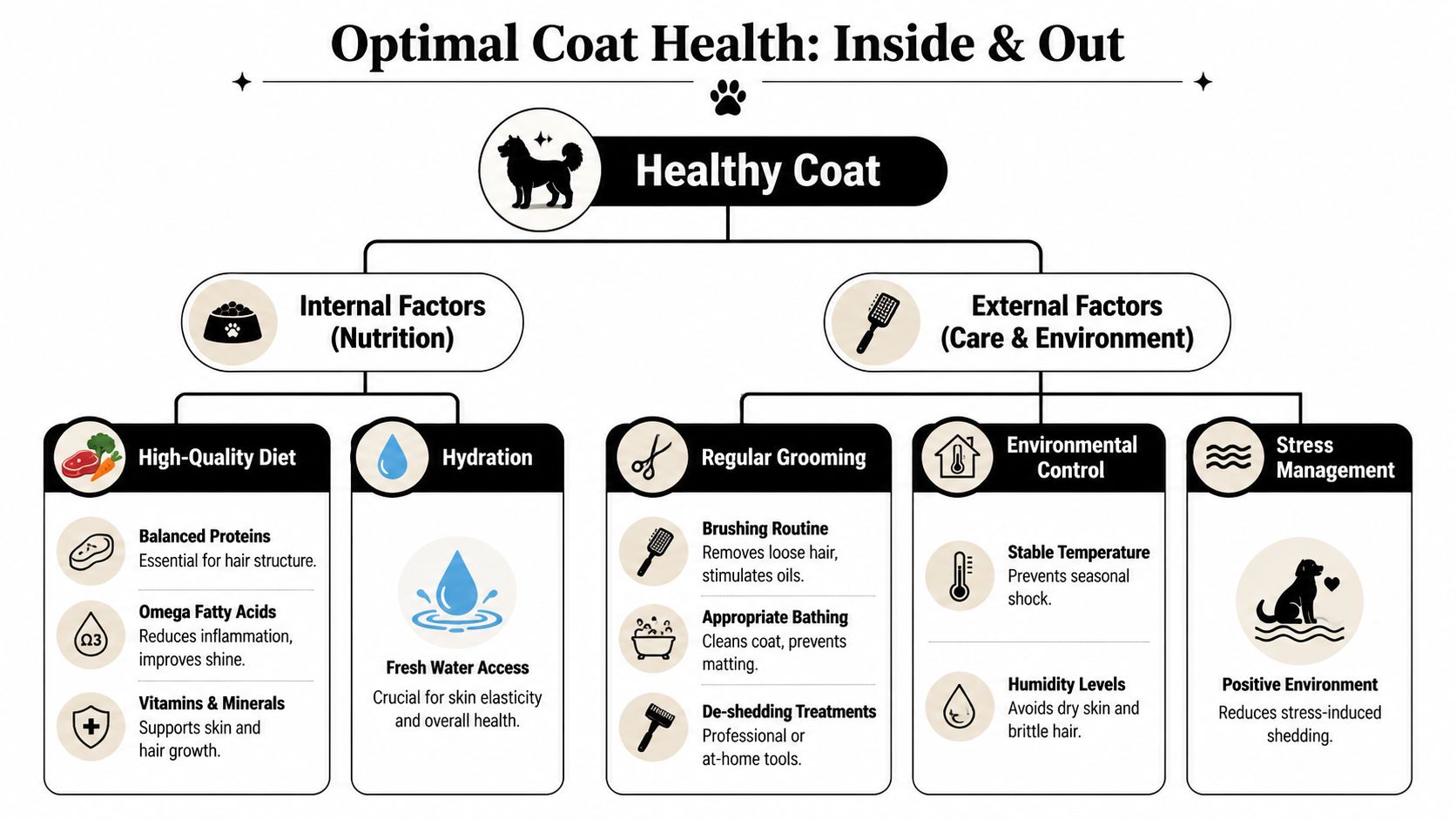
A strong coat needs internal support. Hair follicles depend on nutrition, hydration, and skin comfort. If the body is running short in those areas, the coat usually shows it fast.
Feed for follicle strength
A balanced diet rich in essential nutrients supports coat health. Adding Omega-3 fatty acids, such as marine-based fish oil, can dramatically reduce shedding, and dogs should drink one ounce of water for every pound of body weight each day to help prevent the dry skin that worsens shedding, according to Dogtopia's guidance on nutrition and hydration for excessive shedding.
That gives owners a practical foundation:
- Start with the bowl: If the base diet is weak, coat work becomes uphill labor.
- Add fatty acid support carefully: Marine-based fish oil is a common option for owners focused on skin and coat quality.
- Watch the water intake: Dry climate days can expose hydration gaps quickly.
If you're evaluating food quality first, this resource on high-protein dog foods can help you think through what supports stronger coat condition.
Supplements and environment both matter
Some owners are now looking at probiotics and other supplement strategies when standard grooming alone doesn't seem to stabilize the coat. That's worth discussing with a veterinarian, especially in chronic cases, but it should complement a solid grooming and nutrition routine, not replace it.
External triggers matter too. Fleas, allergies, and harsh products can sabotage internal progress. Monthly topical flea medication belongs in many dogs' skin-care plan because scratching and irritation lead directly to more hair loss. So does product discipline. Dog-safe shampoo protects the skin barrier better than improvising with whatever is on the shower shelf.
A shiny coat doesn't start in the tub. It starts in the body, then the tub helps reveal it.
Owners can also make the home easier on the coat. Vacuuming on schedule, washing bedding regularly, and using cleaner air all help lower the buildup of fur, dander, and skin debris. In El Paso, where dust can settle fast, that environmental support often makes the dog more comfortable as well.
Your Strategic Partner in El Paso Dog Grooming
A dog comes in with fur packed tight against the coat, skin starting to look irritated, and a body already tense before the bath begins. At that point, shedding is no longer just a housekeeping nuisance. It is a handling issue, a skin issue, and often a stress issue.
Some shedding responds well to steady home care. Some cases need trained eyes and controlled execution. Bald spots, inflamed skin, repeated scratching, impacted coat, or panic during brushing all call for a more disciplined plan, and sometimes that plan includes a veterinary referral.
What chains often miss
High-volume salons can complete a lot of appointments in one day. That pace has trade-offs. Noise, kennel time, staff rotation, and constant activity can keep sensitive dogs on edge, especially dogs that already associate grooming with discomfort.
Stress matters here. Doglyness discusses how stress-related shedding can worsen in overstimulating environments, and why calmer handling can help reduce that load on the dog, based on its discussion of stress-related shedding and calm grooming environments.
For El Paso families comparing grooming options, the question is simple. How much control does the shop keep over the dog's experience from start to finish?
What a disciplined studio does differently
Premium standards show up in the workflow, not in the marketing.
- Low dog count on site: Fewer dogs usually means fewer noise spikes, less waiting, and less stimulation.
- Structured handling: Each step serves the coat, skin, and temperament of the dog in front of the groomer.
- Clear observation: Coat density, loose undercoat, irritation, dry patches, and stress signals are easier to catch in a calm room.
That is part of the appeal of a veteran-owned grooming studio. The standard is tighter, the handling is more deliberate, and the relationship tends to last longer. Over time, that consistency helps a groomer spot coat changes early instead of starting from scratch at every appointment.
Professional deshedding is more than a bath
Heavy undercoat removal takes method. One professional approach is COOC, short for Conditioner, Oil, Conditioner, Comb. The process helps loosen packed dead hair before final removal, and the coat needs to be fully dry for the last brushing phase to work well, based on the COOC deshedding demonstration.
That kind of timing and coat control is hard to reproduce in a rushed bath at home.
Glo More Grooming uses specialized deshedding formulas in a limited, one-on-one setting to deep-clean the coat and release dead hair with less chaos around the dog. In practice, that controlled environment often suits dogs that shut down or flare up in crowded salons.
Premium doesn't have to mean inaccessible
El Paso owners are right to weigh cost. Grooming has to fit real family budgets. The problem is that waiting too long often creates a harder appointment later, with more packed coat, more skin irritation, and more stress on the dog.
Community-minded scheduling can help. Snip & Style Saturday gives local families a way to stay consistent with full grooming care while keeping standards in place.
That is the partnership good shedding control calls for. A groomer who keeps records in their head, notices when the coat feels different, handles the dog with patience, and treats every visit as part of the dog's long-term wellness plan. In a city like El Paso, where dust, heat, and dry air work against coat health, that level of care matters.
Take Command of Your Dog's Wellness Today
A heavy layer of fur on the couch after one quiet week can mean more than a house that needs vacuuming. It can point to a coat cycle that needs support, skin that is getting irritated, or a routine that has drifted out of sync with what the dog can handle.
Good shedding control for dogs stays simple. Read the dog in front of you. Keep the home routine steady. Support coat health with sound nutrition and water intake. Bring in professional care before minor coat trouble turns into itching, matting, or a dog that starts dreading the grooming process.
That standard treats the dog as a whole animal and gives individual care the weight it deserves. In a one-on-one setting, the work stays focused on comfort, coat condition, and the dog's state of mind instead of pushing pets through a crowded pipeline.
Ownership means staying consistent when the coat gets heavy, the schedule gets tight, and the easy shortcut turns out to be the wrong one.
El Paso dog owners understand hard conditions. Dry air, dust, and heat test every coat. Dogs here do better with steady handling and a plan that holds up between appointments. Cleaner furniture is a welcome result. A comfortable dog with calmer skin, a healthier coat, and less stress during grooming is the primary goal.
That is the standard behind Glo More Grooming and its one-on-one approach. The work is personal, disciplined, and built around the dog's long-term wellness, not just the condition of the floor at home.
Take pride in that. Keep the routine. Choose care that serves the whole dog. Your dog will feel the difference.
If you're ready for calmer coat care, cleaner results, and a more disciplined wellness approach, contact Glo More Grooming to book now, reserve a Snip & Style Saturday promo slot, or ask about one-on-one El Paso dog grooming services designed for dogs that need steady, thoughtful handling.