
You notice it on the dog bed first. Then on the back seat. Then on your black hoodie when your dog leans in for attention. White flakes look small, but they rarely mean just one thing.
Sometimes dandruff is simple dry skin from desert air and a coat that needs better maintenance. Sometimes it points to parasites, infection, allergies, or a breed-related skin disorder that needs a more disciplined plan. That’s why guessing usually wastes time. The flakes may look similar, but the cause often isn’t.
In El Paso, that matters even more. The local climate can push minor skin imbalance into a bigger problem fast, especially when owners try random shampoos, overbathe, or wait too long because the dog “seems fine otherwise.” Good coat care starts with reading what the skin is telling you. That’s the difference between a temporary cosmetic fix and a real improvement in comfort, odor, shedding, and coat quality.
Noticing the First Flakes
Most owners don’t spot dandruff during a full inspection. They catch it during normal life. A few flakes on the shoulders after petting. A dusty line down the back. A greasy patch that doesn’t feel right. The dog may still be playful, still eating, still acting normal. That’s why dandruff gets dismissed.
It shouldn’t be.
A healthy coat usually reflects decent skin balance underneath. When flakes show up, the dog’s body is signaling that something in the system is off. It could be dry air. It could be weak skin barrier support from the diet. It could be a parasite issue that spreads to other pets. It could be a chronic condition that’s been gradually building under the coat.
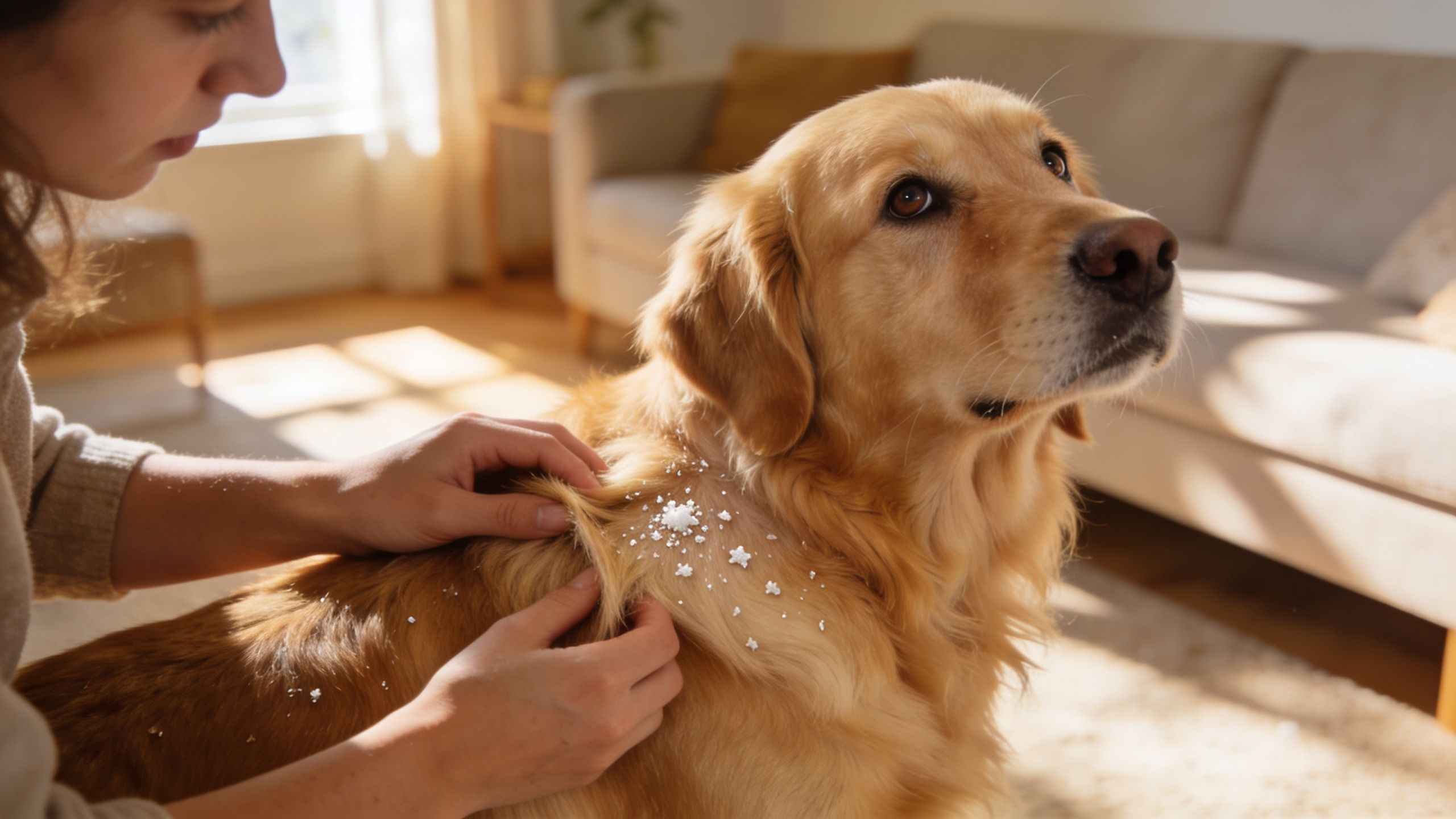
What the first flakes usually tell you
The first job is observation, not panic. Look at where the flakes sit, how large they are, whether the skin feels dry or oily, and whether the dog is scratching, licking, or developing odor.
A quick at-home check helps narrow the field:
- Fine, powdery flakes often push you toward dryness, environment, or routine care problems.
- Greasy flakes with odor suggest the skin may be producing too much oil or supporting secondary overgrowth.
- Large scales with intense itching raise the stakes and make parasites or infection harder to ignore.
- Localized irritation around ears, face, belly, or tail base can hint at allergy patterns rather than simple dryness.
Practical rule: Don’t treat every flake like “just dandruff.” In dogs, flakes are a symptom, not a diagnosis.
That mindset matters. If you want answers to common dog dandruff causes, start with the coat in front of you, the environment the dog lives in, and the pattern of symptoms around the flakes. Clean observation beats random product swapping every time.
Environmental and Dietary Triggers in El Paso
A dog can walk into my El Paso studio with a coat that looks decent at first glance, then the brush starts moving and the truth shows up in white dust across the table. That happens often here. Our dry air, constant indoor cooling, hard water, and inconsistent home routines can push skin out of balance fast, especially in dogs that already have a touchy coat.
Climate stress does not automatically mean disease, but it does change how I read the coat. In a one-on-one grooming setting, I can slow down, part the coat, check the skin at the shoulders, back, tail base, and belly, and separate simple dryness from signs that need veterinary follow-up. That is harder to catch in a rushed, assembly-line appointment.
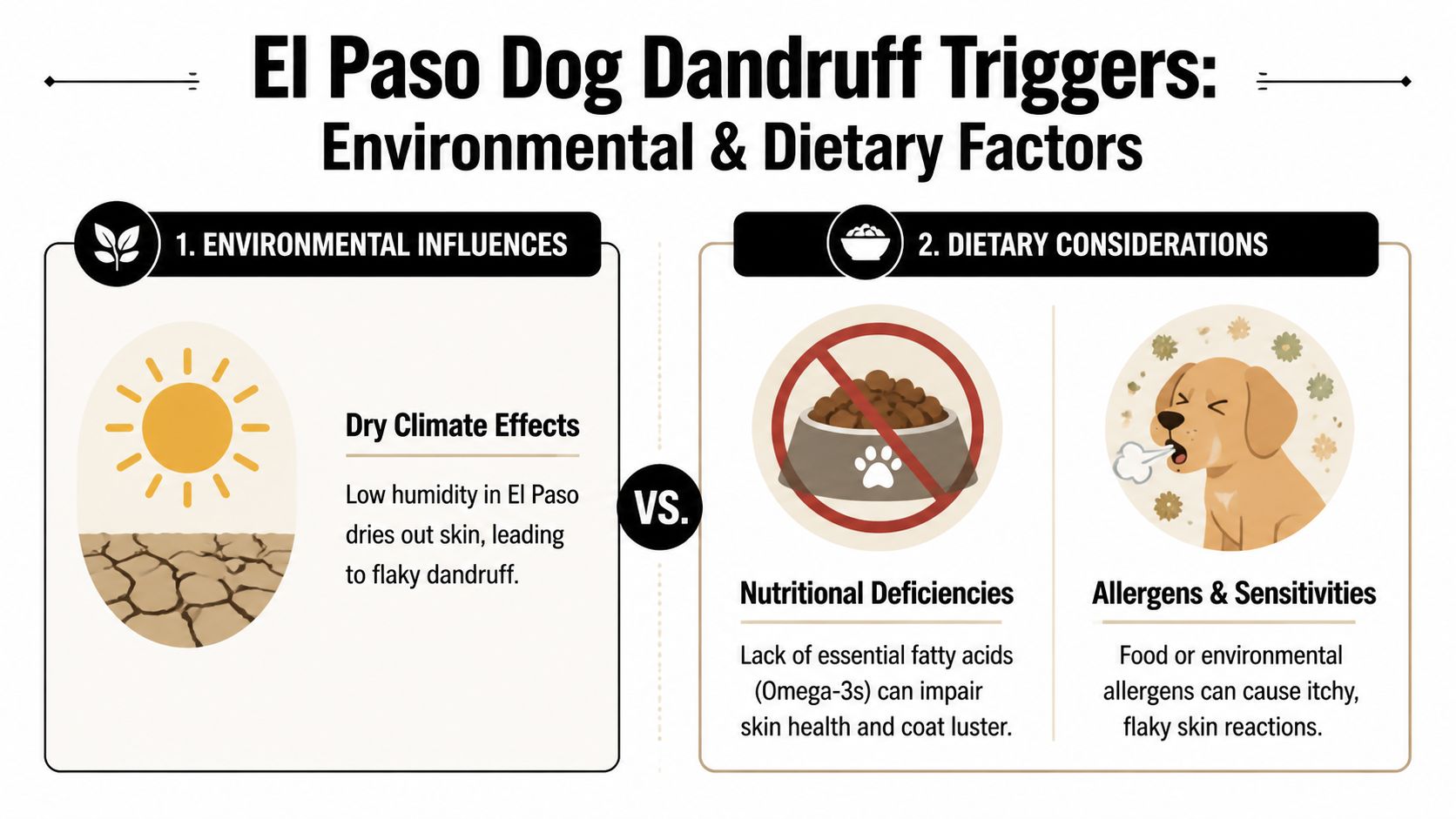
Dry air changes the whole skin equation
El Paso air strips moisture quickly. Add forced air from heaters or AC, then wash too often with a strong shampoo, and the skin can lose the light oil layer that helps keep flaking down.
The pattern is usually pretty clear.
- Flakes get worse during heavy HVAC use or seasonal dry spells
- The coat feels rough, staticky, or brittle
- Loose hair increases without obvious redness
- The skin looks ashy or dusty instead of greasy
Product choice matters here. A heavily fragranced shampoo may leave the dog smelling fresh for a day, but it can leave the skin tighter and drier after the bath. Controlled bath timing, complete rinsing, and coat-appropriate products usually give better results than frequent washing and guesswork.
Water quality can play a part too. In my shop, I pay attention to how the coat responds during the rinse and blowout because residue, mineral-heavy water, and poor drying technique can all leave a dog looking flaky again within days.
Food shows up on the skin faster than owners expect
Diet problems rarely announce themselves with one dramatic symptom. They show up as a coat that loses shine, skin that cannot hold balance, or recurring flakes that improve for a week and then come right back.
When a dog keeps flaking and I do not see an obvious external trigger, I ask practical questions. Has the food changed three times this season? Are low-quality treats filling the gap between meals? Is the dog eating enough fat to support normal skin function? Is water intake poor?
Those details matter more than marketing on the bag. If you are reviewing feeding options, this guide to fresh food for dogs gives a useful starting point for improving meal quality.
A coat can stay pretty longer than the skin stays healthy.
What usually helps, and what wastes time
Environmental and diet-related dandruff usually responds to consistency. Owners get the best read on the problem when they tighten the routine and watch the skin for a few weeks instead of changing five things at once.
| Approach | Likely outcome |
|---|---|
| Better hydration, better food, appropriate bath timing | More stable skin and less visible flaking over time |
| Frequent washing with strong shampoo | Short-term clean smell, then drier skin |
| Random supplements with no plan | Uneven results and more guesswork |
| Careful tracking during seasonal dry periods | Faster course correction before scaling builds up |
That process is not glamorous, but it works. If the flakes settle down after cleaner grooming habits and a better diet, the trigger was probably environmental, nutritional, or both. If they keep building despite a disciplined routine, the problem usually runs deeper than dry air.
Identifying Parasites and Skin Infections
Not all dandruff sits still. That’s the line many owners remember after seeing a parasite case up close.
Cheyletiella mites are the classic example. Known as walking dandruff, they’re 0.3 to 0.5 mm long, can be visible to the naked eye, and cause extreme itchiness and large white scales in 80 to 90% of cases, with transmission possible to other pets and humans, according to Rivergate Veterinary Clinic’s overview of dandruff in dogs. In a dry place like El Paso, scaling can look worse, which makes trained inspection even more important.
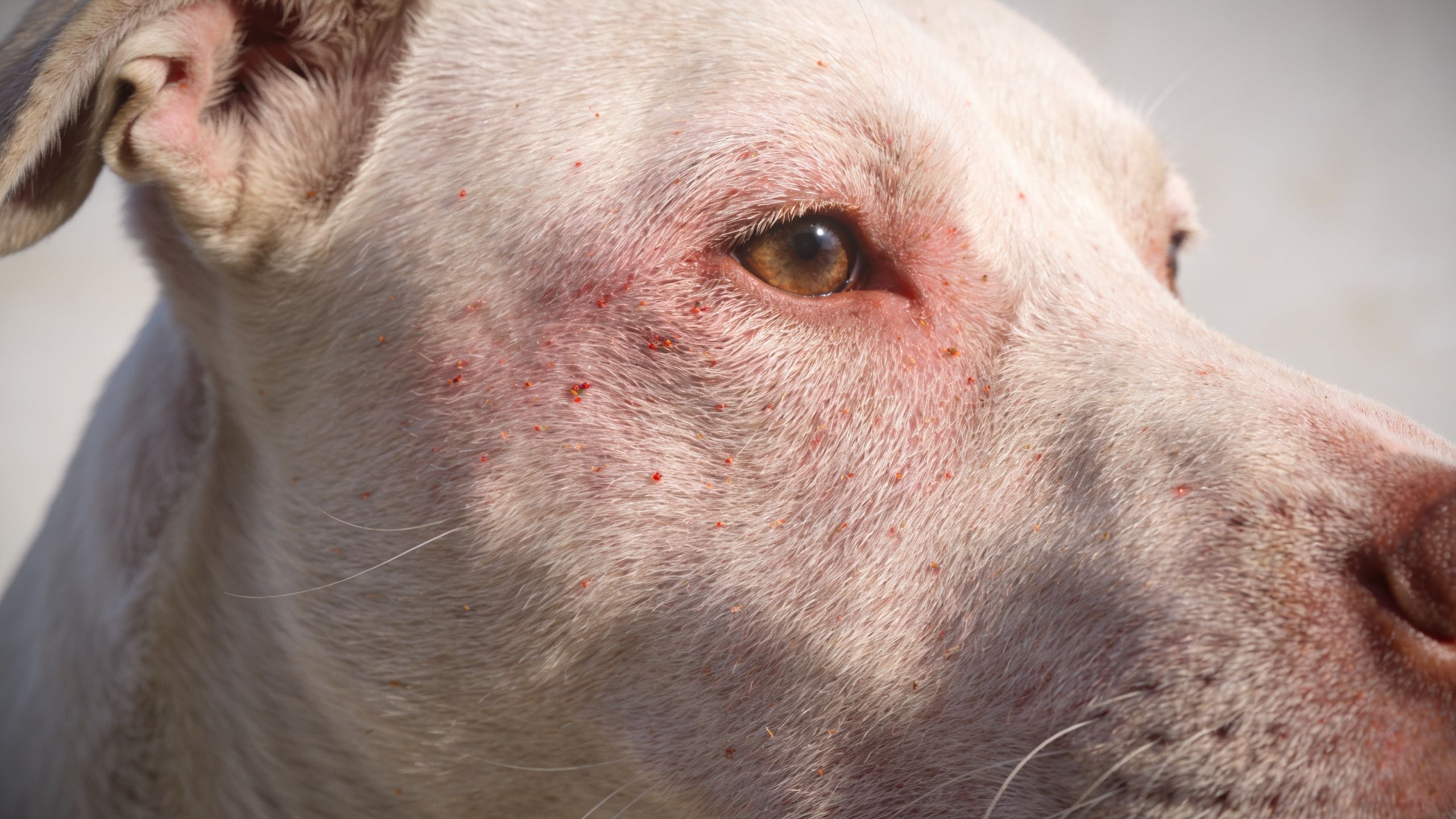
How parasite-related flakes look different
Dry skin usually looks dusty or powdery. Parasite-related scaling often looks heavier, more uneven, and more active in the dog’s behavior. You’ll often see strong scratching, rubbing, restlessness, or irritated skin along the back.
The biggest clue is pattern.
- Walking dandruff tends to create larger flakes along the back, with obvious itch.
- Fleas often drive biting and chewing, especially near the hindquarters and tail base.
- Lice and other external irritants can leave the coat rough, dirty-looking, and uncomfortable.
Owners sometimes treat these dogs as if they just need moisturizing. That’s a mistake. If parasites are involved, the household and any other pets may also need attention. For dogs already dealing with external pests, a professional-grade flea wash for dogs can be part of a broader response, but visible flaking with intense irritation still deserves veterinary guidance.
Infections often ride behind the flakes
Skin infections don’t always start as the main problem. Sometimes the skin gets weakened first, then bacteria or yeast move into the opening. The coat starts smelling off. The dog gets redder, itchier, or greasy. The flakes get heavier because the skin is no longer just dry. It’s irritated and unstable.
Watch for these combinations:
| Sign | Why it matters |
|---|---|
| Flakes plus odor | Often points beyond simple dryness |
| Flakes plus greasy skin | Suggests excess oil and possible overgrowth |
| Flakes plus redness around face or paws | Raises suspicion for irritation or infection |
| Flakes plus hair loss | Means the issue has moved past surface dryness |
If the skin looks angry, smells wrong, or the dog can’t stop scratching, don’t assume it’s a grooming problem alone.
That’s where rushed handling causes misses. A quick bath in a high-volume setting may clean the coat but overlook the pattern. Careful inspection matters because parasites are contagious and infections tend to spread when they’re masked instead of addressed.
Uncovering Allergies and Genetic Conditions
A dog comes in flaky, gets cleaned up, looks better for a few days, then starts scratching and shedding again. That pattern gets my attention fast. In a one-on-one grooming setting, repeated flare-ups usually point to a skin problem with more depth than surface dryness.
Allergies and inherited skin disorders often behave this way. The coat improves briefly, then the cycle starts over because the root cause is still active.
Allergies rarely stay in one lane
Dogs with allergy-driven dandruff usually show more than loose flakes. The skin is irritated, not just dry. I look for ear debris, paw licking, face rubbing, belly redness, or recurring hot spots along with the flaking, because that pattern suggests inflammation across multiple areas of the body.
Common triggers include:
- Environmental exposure such as dust, pollen, grass, or household cleaners
- Food sensitivity tied to a recurring ingredient in the diet
- Product reaction from harsh fragrances, strong degreasers, or a poor product match for the coat and skin type
In El Paso, the dry air adds another layer. A dog can have a mild allergy problem and still look far worse when the skin barrier is already stressed by climate, indoor air, and inconsistent coat care. That is one reason rushed, high-volume grooming misses things. Clean fur is not the same as stable skin.
Primary seborrhea needs long-term management
Some dogs are prone to abnormal skin turnover and chronic scaling because of inherited seborrheic disease. In practice, these dogs often keep cycling through flakes, oiliness, odor, or waxy buildup unless the care plan stays consistent over time. Certain breeds show up with this pattern more often, including Cocker Spaniels, Basset Hounds, and Golden Retrievers.
That changes the goal. The job is not one strong bath. The job is control.
For these coats, product choice matters. A good shampoo for dogs with skin-sensitive coat needs should match what the skin is doing, whether that means dryness, excess oil, or recurring buildup. Some dogs also need veterinary shampoos or longer-term medical support, especially when scaling and odor keep returning.
Some coats improve with moisture. Others need a repeatable maintenance system built around the dog's actual skin behavior.
What careful observation looks like
The useful questions are specific, and they are easier to answer when one groomer sees the dog closely instead of passing them down an assembly line.
- Did the flare start with a season change or after a product switch?
- Are the ears, paws, belly, or underarms involved too?
- Is the coat dry and powdery, or oily and sticky?
- Does the dog improve for a week, then slide backward?
- Is this a breed that commonly struggles with chronic skin turnover?
Those details help separate a one-off dry spell from a longer skin pattern. I tell owners to track flare timing, diet changes, products used, and where the dog itches most. That record gives the veterinarian better information, and it keeps the grooming plan honest.
Chronic skin cases need discipline from everyone involved. When grooming observations and veterinary follow-up line up, dogs get steadier results and owners stop wasting time on random product changes.
A Disciplined Plan for a Healthy Coat
Most skin problems get worse when care is inconsistent. Owners wait too long, then overcorrect. They skip brushing for weeks, then do a hard bath with the wrong shampoo. They change products too fast to tell what helped and what hurt. If you want to reduce flakes and improve coat quality, discipline beats intensity.
That’s especially true in El Paso dog grooming. Dry climate, dust, indoor air, and busy schedules punish neglected routines fast. A premium pet grooming standard isn’t about pampering for show. It’s about controlling variables so the skin has a chance to stabilize.
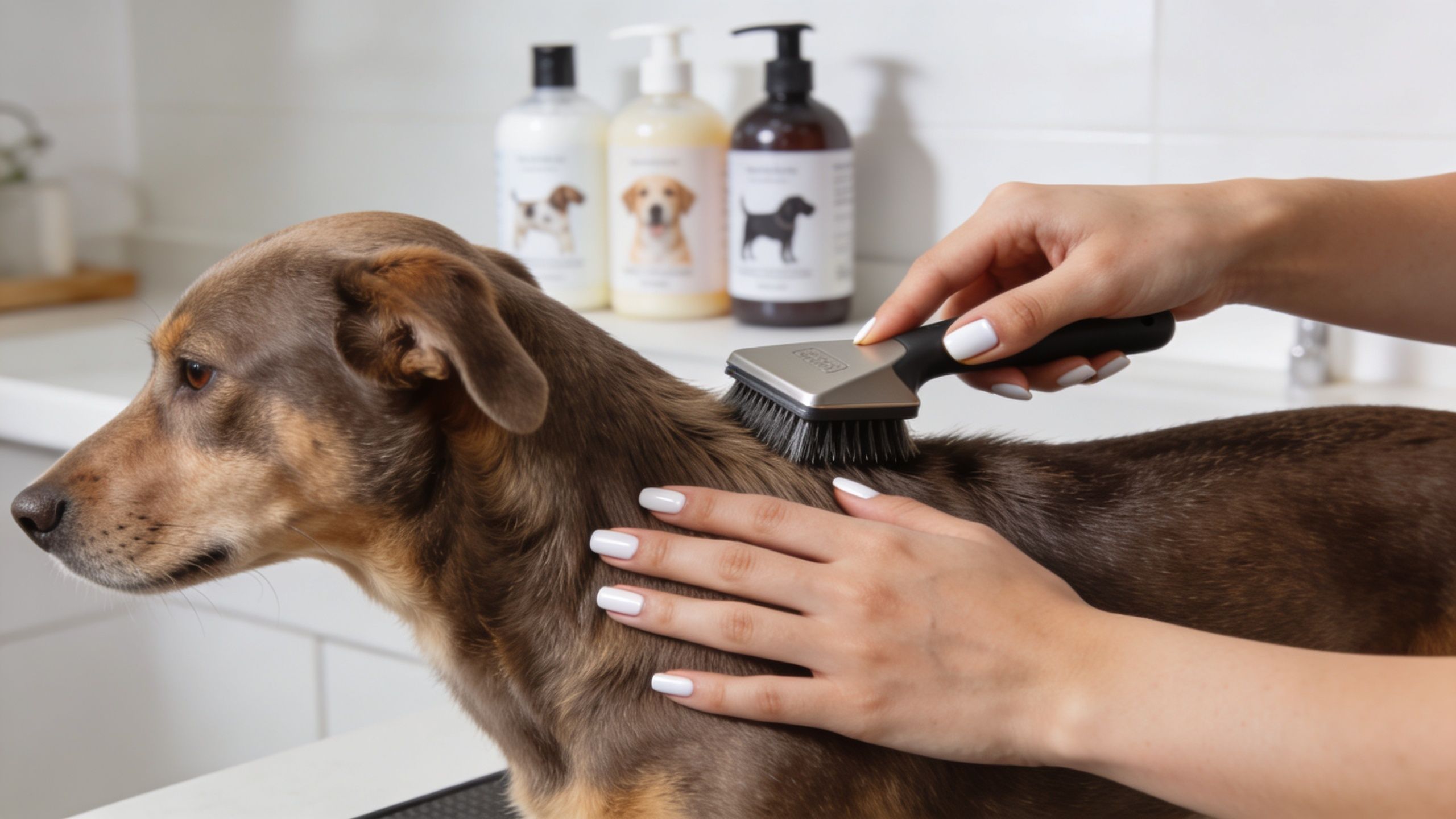
Build a routine your dog can actually sustain
A good plan starts with what the owner can repeat calmly and correctly. Not an ambitious routine that collapses after one week.
Here’s a practical framework.
Brush with purpose
Brushing removes loose skin and helps distribute natural oils through the coat. It should be coat-appropriate and gentle. Aggressive brushing on irritated skin can make a flaky dog more uncomfortable, not less.Bathe on schedule, not on impulse
Dogs with flaking skin often need thoughtful bathing, but more isn’t always better. If the skin is dry, stripping it repeatedly usually backfires. If the skin is oily or supporting secondary issues, waiting too long lets buildup sit on the coat.Use dog-specific products that match the problem
Moisturizing formulas, hypoallergenic options, and medicated products each have a role. Human shampoo doesn’t belong in the conversation. If you’re comparing options, this guide to good shampoo for dogs helps owners think beyond labels and scent.Reassess after each cycle
After brushing, bathing, drying, and a few days of normal life, check again. Is the coat softer? Is the odor reduced? Is the flaking lighter, or is the dog still scratching hard?
What premium standards actually change
People often hear premium pet grooming and think fluff. The difference, though, is process. A disciplined setup gives the groomer time to inspect the skin, note changes, choose the right bath path, and avoid adding stress to an already irritated dog.
That’s also why many owners eventually leave chain environments behind. In a crowded, assembly-line setting, the pressure is speed. In a one-on-one environment, the priority can stay on the dog’s condition, behavior, and coat response. That matters for flaky dogs because skin issues are easy to miss when handling is rushed.
The best veteran-owned grooming operations tend to run on standards. Clear intake. Calm handling. Clean tools. Limited chaos. Consistent notes. That discipline protects both coat quality and dog comfort.
Working standard: Healthy skin responds best when the routine is calm, repeatable, and tailored to the dog instead of the calendar.
Home care versus professional care
A lot of owners ask where home care ends and professional care begins. The answer is simpler than people think.
| Situation | Best move |
|---|---|
| Mild flakes, no odor, no major itching | Tighten home routine and monitor closely |
| Repeat flaking after product changes | Stop rotating products and get trained eyes on the coat |
| Visible irritation, odor, greasy buildup, or heavy scratching | Grooming assessment plus veterinary follow-up |
| Parasite suspicion or contagious signs | Isolate risk and pursue treatment quickly |
Home care keeps progress going. Professional grooming helps identify patterns owners can’t always see under a full coat.
To see proper brushing, handling, and coat work in action, this quick visual is useful:
Affordable doesn’t have to mean careless
Owners in El Paso often feel forced into a bad choice. Either pay for high-quality care or settle for rushed care. That’s not a standard worth accepting.
A strong affordable grooming promo should still respect technique, hygiene, and handling. Monthly programs like Snip & Style Saturday work because they create access without lowering the bar. A scheduled promo can help families stay consistent with coat maintenance, which is often the missing piece in chronic flake control.
That long view matters. Skin doesn’t improve because a dog got cleaned once. It improves when care becomes part of the dog’s normal rhythm. That’s where independent studios often stand apart. They can protect the workflow, limit the on-site load, and keep the dog from being treated like another number moving down a line.
For owners comparing El Paso dog grooming options, that’s the key question. Not who can wash the dog fastest, but who can maintain the highest standard without cutting corners on observation, product choice, and one-on-one handling.
Take Command of Your Pet's Wellness
Dog dandruff causes aren’t all equal, and they shouldn’t be treated as if they are. Some start with El Paso dryness and a weak routine. Some point to parasites or infection. Some trace back to allergies or inherited skin trouble that needs long-term management. The flakes may look simple. The decision-making shouldn’t be.
Good owners don’t need to become veterinary dermatologists. They do need to be observant, consistent, and willing to stop guessing when the coat keeps sending warning signs. That’s what ownership looks like in pet care. You pay attention early. You adjust the routine with discipline. You bring in experienced help before a mild problem turns stubborn.
That mindset fits the best of what independent grooming stands for. Pride in the work. Loyalty to the animal. Standards that don’t bend just because the day is busy. In skin and coat care, resilience shows up in the small things repeated well. Clean tools. Calm handling. Better product choices. Strong records. Timely referrals.
If your dog is flaking, itching, smelling off, or cycling through the same issue again and again, don’t settle for surface-level answers. Get the coat assessed by someone who respects the details and understands that a healthy finish starts with healthy skin.
If you’re ready for a calmer, more disciplined approach to coat and skin care, book with Glo More Grooming. This El Paso dog grooming studio delivers premium pet grooming in a one-on-one setting built on veteran-owned grooming values, with clear standards, careful handling, and support for long-term coat health. If you’ve been waiting for the right affordable grooming promo, reserve a Snip & Style Saturday slot and stop guessing at the flakes.