
You're out in the yard, your dog has taken a few grass blades, settled down, and now you hear that familiar belly rumble. That moment can feel harmless one second and alarming the next, especially if you're wondering whether the stomach gurgling means the grass caused a problem or whether the grass was just a weird habit to begin with. The good news is that most of the time, this is a digestion question, a behavior question, or both, not an automatic emergency. The smarter move is to sort the noise from the warning signs, then pay attention to the grass itself, the dog's overall behavior, and the yard they're eating from.
Why Your Dog's Stomach Gurgles After Eating Grass
A dog can graze, lie down, and start sounding like a tiny plumbing line under the floor. That's usually the body moving food, fluid, and gas through the gut, not a sign that something dramatic is happening every time. The key is to separate normal belly noise from a dog who looks uncomfortable, weak, or actively sick.
Start with the simplest explanation
Grass eating and stomach noise often show up together because the gut is always working. In a large survey summarized in veterinary sources, 68% of dogs ate plants daily or weekly, grass was the most commonly eaten plant, and only a small share of owners frequently saw illness signs before the plant eating started, which supports the idea that grazing is common dog behavior rather than a reliable illness alarm Applied Animal Behaviour Science data summary. Another veterinary summary says that in a controlled feeding experiment, there were 709 grass-eating events with only five vomiting events involving three dogs, which points to vomiting being uncommon after grass ingestion veterinary feeding experiment summary.
That matters because owners often hear the rumble and assume the grass caused a stomach crisis. More often, the sound is the gut doing what it always does, and the grass is a separate behavior that may or may not be related.
Practical rule: If your dog is bright, drinking, and acting like itself, belly sounds alone are usually less urgent than belly sounds plus vomiting, diarrhea, pain, or lethargy.
Read the dog, not just the noise
A calm dog with a noisy stomach is a very different case from a dog who's curled up, restless, or refusing food. That's the pattern to watch. If the only change is gurgling after a graze, you can usually observe first and gather more information before jumping to conclusions.
If you're in El Paso and your dog likes to patrol the yard after a meal, this is a useful triage guide. Look at what the dog is doing, how the belly feels, and whether the grass itself could be part of the problem. The rest of this article breaks those pieces down one by one so you can decide whether you're dealing with normal digestion, a behavior issue, or a reason to call the vet.
What Borborygmi Actually Means
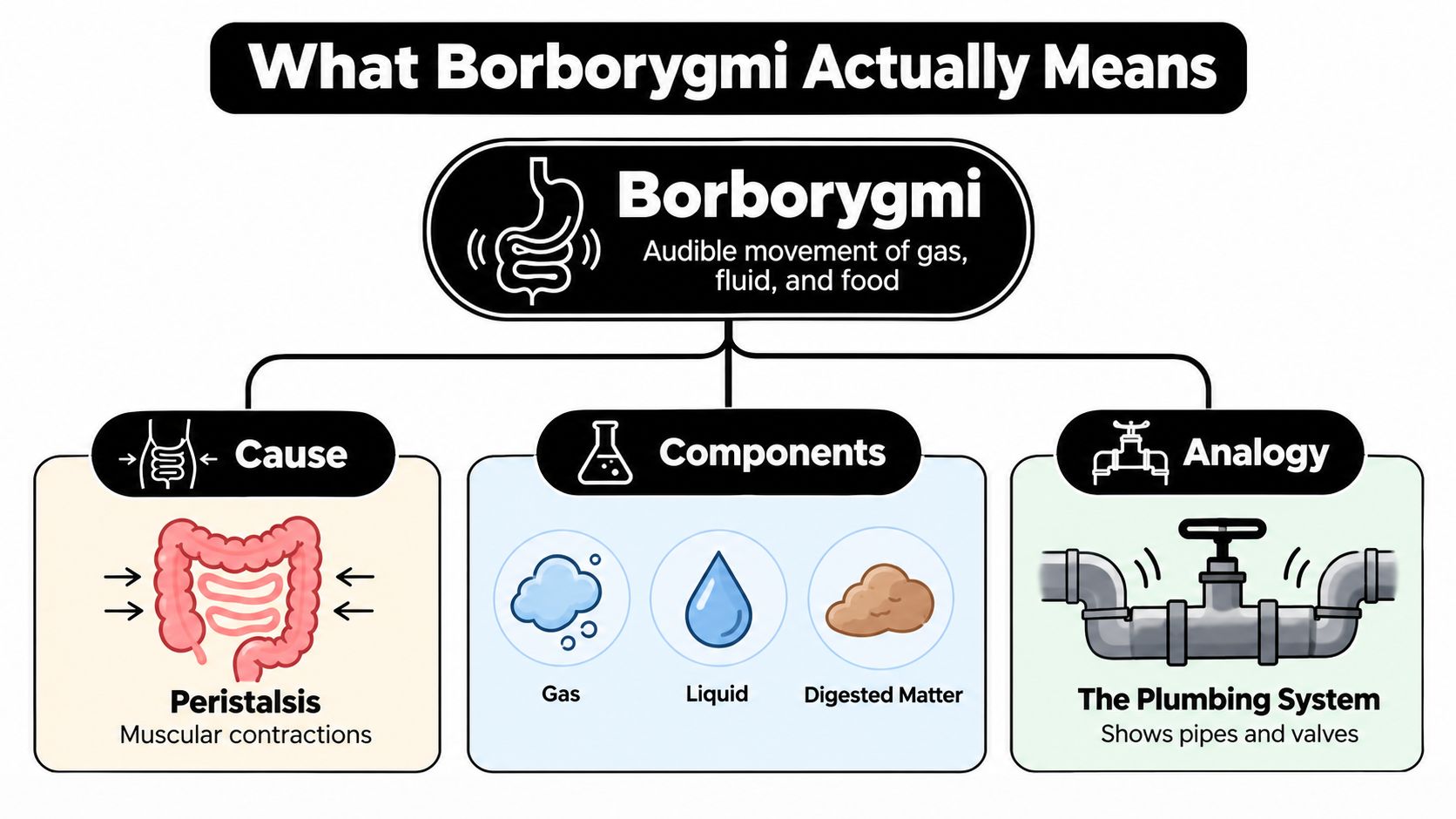
Borborygmi is the clinical word for the gurgling, rumbling, or splashing sound you hear from a dog's abdomen. It's the audible result of peristalsis, the muscular wave that pushes food, water, and gas through the digestive tract. The sound is real, but it isn't automatically a sign of disease.
Why the sound gets louder
A belly can seem louder when the stomach is emptier, when a dog swallows air while grazing, or when gas is moving through with extra force. This is similar to water moving through pipes: if there's more air in the line, the sound gets easier to hear. That's why some dogs sound noisier after a meal, after drinking, or after chewing grass on the way across the yard.
The veterinary distinction that helps most is this, normal borborygmi is a working gut, while louder or more persistent gurgling can point to indigestion, food sensitivity, stress, or extra gas Heppier veterinary overview. The same sound can come from gas made during digestion or from swallowed air, so the noise by itself doesn't tell you the cause. You have to pair it with what the dog is doing, eating, and feeling.
When the sound stops being background noise
Persistent loud gurgling matters more when it comes with reduced appetite, vomiting, diarrhea, or abdominal pain. That combination raises concern for a true gastrointestinal problem, not just a noisy belly. In that situation, the sound is no longer the main clue, the dog's overall condition is.
A belly that's loud but the dog is comfortable usually points toward digestion. A belly that's loud and the dog is clearly off calls for closer attention.
The simplest mental model is this, borborygmi is a sound, not a diagnosis. Once you understand that, the next question becomes whether the grass is triggering the sound, the grass is just a habit, or the lawn itself is the actual risk.
Seven Common Causes of Post-Grass Gurgling
A dog that gurgles after eating grass isn't always having one single problem. Sometimes the sound comes from normal digestion, sometimes from swallowed air, and sometimes from a broader stomach or behavior issue that just happens to show up after grazing.
| Cause | Typical Signal | First Action |
|---|---|---|
| Normal digestion | Brief gurgling, dog otherwise normal | Observe, note timing |
| Swallowed air | Noise after fast grazing or eating | Slow the pace, remove access |
| Mild nausea | Grass chewing, lip licking, restlessness | Watch closely, consider vet if repeated |
| Pica or behavior | Repeated grazing without other illness signs | Add enrichment, assess stress and boredom |
| GI upset | Gurgling with vomiting or loose stool | Call vet if symptoms repeat |
| Parasites | Recurring belly noise with stool changes | Ask vet about stool testing |
| Diet issue | Noise after meals or recent food change | Review diet consistency and fiber |
What each cause usually looks like
Normal digestion can sound surprisingly loud, especially after a dog has eaten, drunk water, or settled down in a quiet room. That noise alone doesn't mean the grass did anything harmful. It may just be the moment you notice what's always happening inside.
Swallowed air is common when a dog grazes quickly or pants while foraging. Mild nausea can also make some dogs pick at grass, though grass eating doesn't prove the dog was sick beforehand. In veterinary summaries of owner reports, only about 9% to 10% of dogs showed illness signs before eating grass, and about 22% vomited afterward in one survey dataset AKC expert summary. That's one reason grass eating looks more like a common habit than a reliable home remedy.
Pica or behavior is the contrarian piece many owners miss. Some dogs chew grass because they're bored, anxious, under-stimulated, or drawn to the texture. GI upset, parasites, and diet mismatch matter too, especially if the sound keeps returning with stool changes or after a recent food shift.
Useful filter: If the belly noise happens once and the dog stays normal, behavior and digestion are more likely than disease. If the noise keeps returning with vomiting, diarrhea, or appetite changes, treat it like a medical issue.
Why the Grass Itself May Be the Risk, Not the Stomach
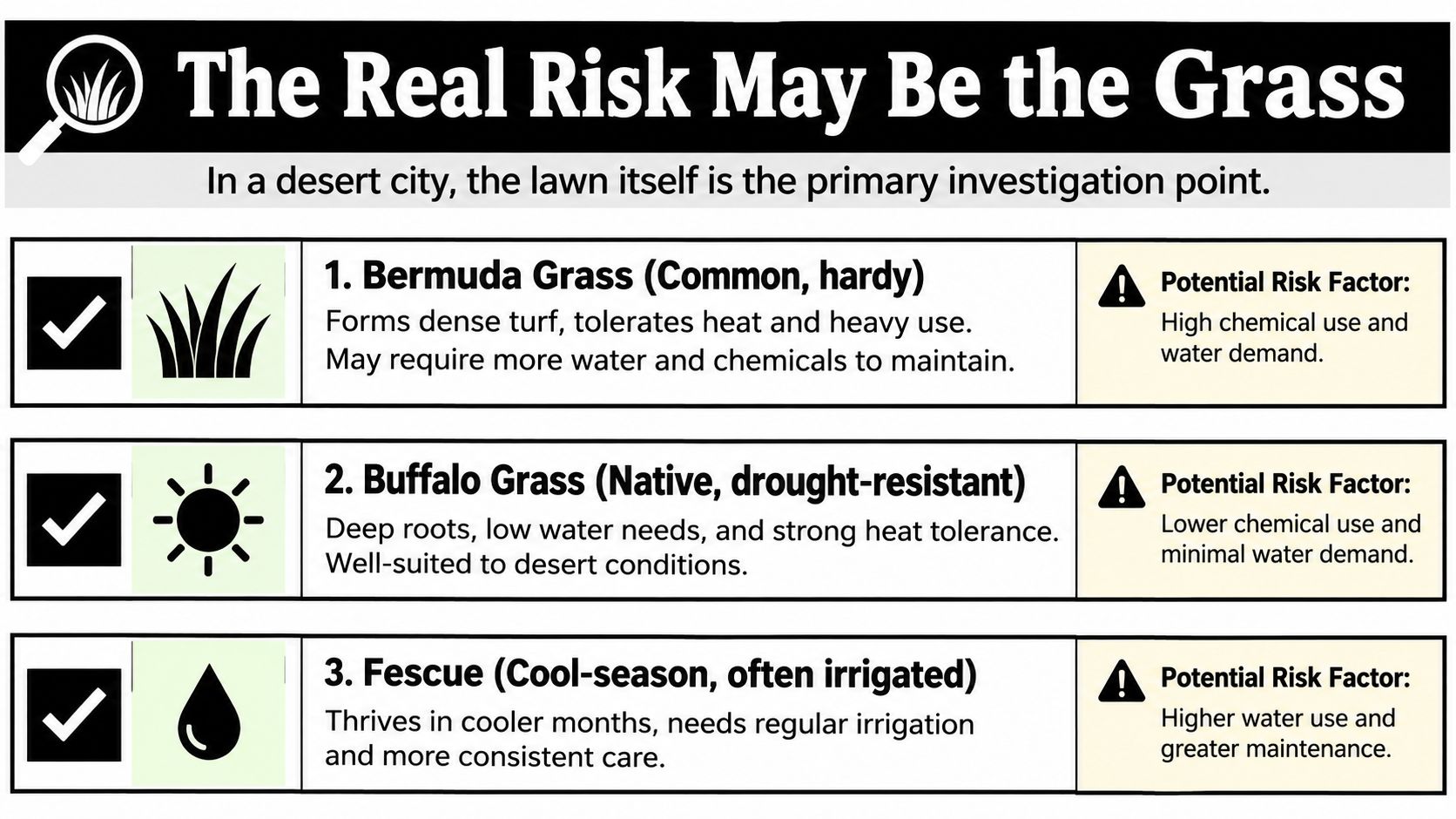
In El Paso, the better question is not only why the belly gurgled. It is what kind of grass your dog ate, where it came from, and whether the lawn was treated recently. Multiple veterinary sources warn that chemically treated grass can be a real hazard, because pesticides, fertilizers, and residue on the lawn can create health problems that look a lot like ordinary stomach upset pet safety overview. If your dog keeps grazing the same patch, the environment may matter more than the rumble.
Why the yard deserves inspection
El Paso lawns often deal with heat, irrigation patterns, and seasonal lawn care that can change what is in the grass and how much residue sits on it. Bermuda, buffalo, and fescue each bring different maintenance habits, and that changes the exposure picture. The grass may look healthy and still not be safe for a dog that chews it often.
Dogs do not only eat grass because they are trying to settle their stomach. Some do it because they are bored, stressed, or under-stimulated. In those cases, the fix may be more walks, more enrichment, or better yard management, not just a digestive supplement.
Research on grass eating still does not give one clean answer, so the safest approach is to look at the whole setting instead of focusing only on the symptom. A dog that noses around pine mulch, fallen needles, or other yard debris may be reacting to more than one outdoor hazard, and this guide on pine needles and dog safety is a useful local check if your yard has those materials nearby.
Safer outdoor habits you can start today
- Check the lawn first: Do not let your dog graze areas that were recently fertilized, sprayed, or mowed heavily.
- Rinse paws after yard time: That lowers the chance of tracking residue inside.
- Add structured activity: A short sniff walk or training session can reduce boredom grazing.
- Watch repeated behavior: If the same patch gets targeted often, inspect it before assuming the belly is the issue.
Some grass eating is a digestive quirk. Some of it is a coping behavior. In a treated yard, the grass itself can be the thing that turns a harmless habit into a problem.
Warning Signs That Mean a Vet Visit Today
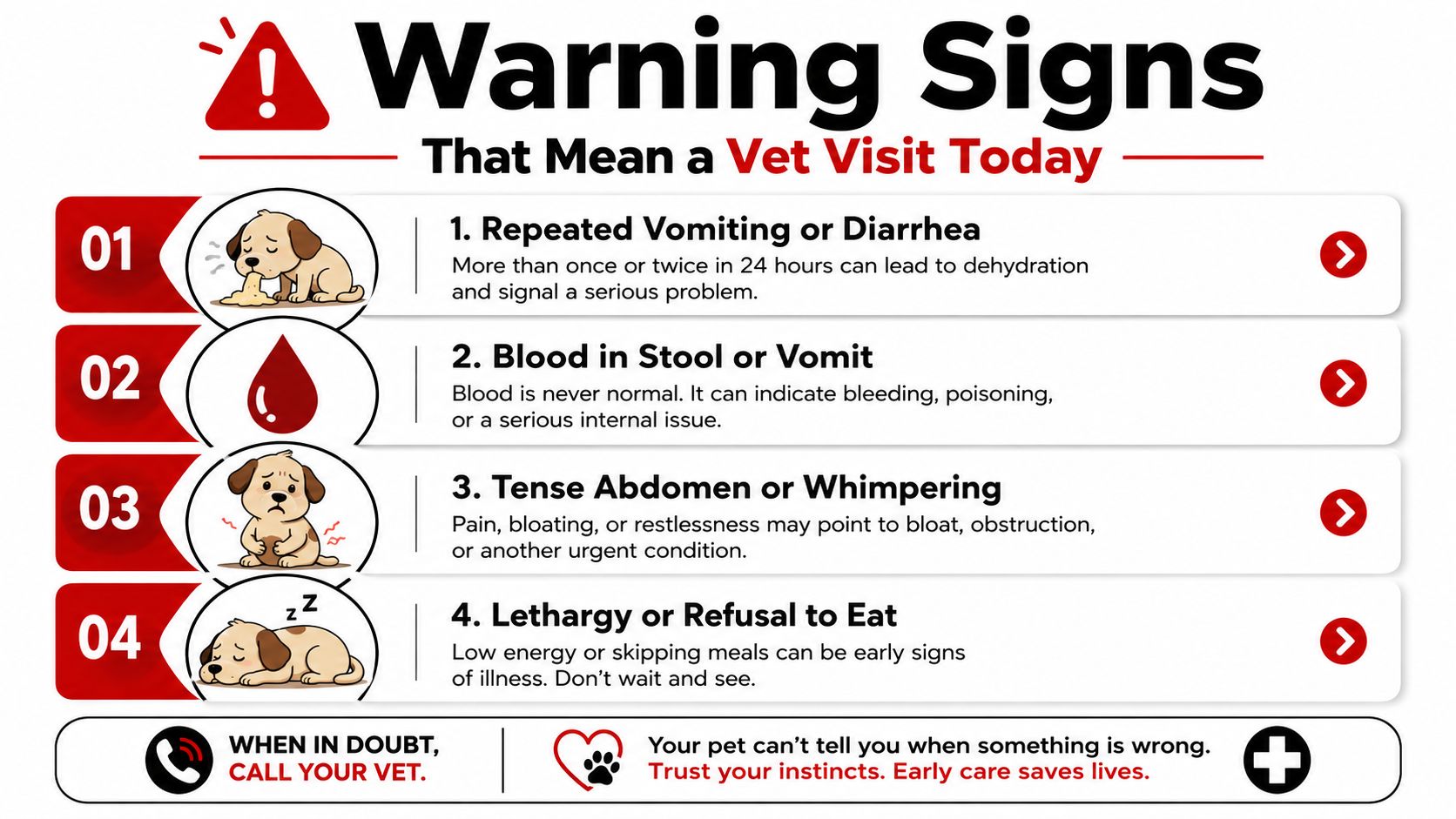
Same-day veterinary care is the right move when belly noise shows up with other warning signs. The combination matters more than any single symptom, because a noisy gut in an otherwise happy dog is very different from a noisy gut in a dog that looks ill.
Red flags to scan for fast
- Repeated vomiting or diarrhea, especially if it keeps happening or the dog can't settle.
- Blood in stool or vomit, which always deserves prompt attention.
- A tense abdomen or obvious pain, including whimpering, guarding the belly, or refusing to be touched.
- Lethargy or refusal to eat, especially if it lasts or comes with other symptoms.
Those signs line up with the veterinary advice that a belly sound alone is usually less urgent than a dog that's clearly off. If the dog is quiet, weak, painful, or losing interest in food, the sound stops being the main issue.
How to judge urgency
A bright dog with mild gurgling can often be monitored briefly. A dog with gurgling plus vomiting, diarrhea, pain, or appetite loss should be seen sooner. If the belly looks swollen, the dog is retching without producing anything, or the dog seems to be deteriorating, don't wait.
Bottom line: Don't let the stomach noise reassure you if the dog itself looks unwell.
For a worried owner, the rule is simple. If the sound has company, take it seriously. If the dog is still acting normal, you've got a little more room to observe and gather information.
What to Do in the First 30 Minutes at Home
A Saturday morning in Northeast El Paso can go like this. Your dog sneaks a few bites of grass, walks inside, and settles on the patio while the belly starts making noise. That's the moment to slow down and collect details, not panic.
Use a quick, repeatable routine
First, remove access to the grass so the behavior doesn't continue while you're watching. Then note the exact time the gurgling started. That one detail helps a vet understand whether this is a brief episode or a pattern.
Next, offer water, but don't rush a full meal if the dog seems unsettled. You can also check the gums for normal pink color and feel the belly gently for tightness or obvious discomfort. If the dog flinches, tenses, or won't lie comfortably, that matters.
A short phone video can help too, especially if the symptoms escalate later. Vets learn a lot from how a dog stands, breathes, and moves. If you need a reference for a related household hazard while you're managing the scene, keep this note on dryer sheet ingestion in dogs in mind as a reminder that not everything a dog mouths is harmless.
Decide whether you're monitoring or calling
If the dog is bright, the belly is soft, and the noise is mild, observation is reasonable. If the dog is getting quieter, refusing food, or showing vomiting, diarrhea, or pain, it's time to call. The goal isn't to overreact to every gurgle, it's to catch the episodes that stop looking routine.
Best habit: Write down the first sound, the grass exposure, and any stool or appetite change before you forget it.
That simple record makes a big difference when symptoms are subtle. It also helps you see whether the behavior is random or part of a repeat pattern tied to the yard, the diet, or the dog's mood.
Prevention Routines and Seasonal Lawn Care for El Paso
The easiest way to reduce grass-related drama is to make the dog's routine steadier. A consistent diet, regular meals, and enough enrichment lower the odds that your dog goes looking for grass out of boredom, stress, or habit. That doesn't mean every graze is a problem, it means the pattern is easier to interpret when the rest of life is predictable.
Build a routine that supports the gut and the behavior
Dogs with sensitive stomachs often do better when meals are consistent and treats don't change from day to day. If you've already noticed loose stool or frequent belly noise, this guide to food choices for sensitive stomachs is a useful place to start thinking about diet structure rather than random fixes. Consistency matters more than chasing a quick answer.
Seasonal lawn care matters too. Summer heat changes how much time dogs spend outdoors, monsoon-season moisture can leave puddles and muddy edges, and winter overseeding can introduce different grass exposure in the same yard. If your dog's grass chewing seems to cluster around those changes, the environment deserves a closer look.
Don't ignore the coat and paws
Outdoor routines aren't just about digestion. A quick check of the coat, paws, and belly after time outside can catch residue, burrs, dampness, or irritation before it turns into a bigger issue. That kind of disciplined workflow is part of premium pet care, because the dog's comfort is built from small, consistent habits, not last-minute fixes.
For families who like structure and value, a monthly Snip & Style Saturday can be a practical touchpoint, and a $55 full-groom promotion gives owners a budget-friendly way to stay on schedule without cutting corners. That kind of routine reflects the same pride and resilience El Paso pet owners appreciate in veteran-owned grooming and in premium pet grooming that focuses on one dog at a time instead of a rushed chain model.
Good prevention is boring on purpose: steady meals, steady enrichment, steady yard checks, and steady grooming habits.
If your dog has a habit of grazing after outdoor time, think in terms of maintenance, not just reaction. That mindset protects the stomach, the skin, the coat, and the whole routine.
Frequently Asked Questions From El Paso Pet Owners
Is gurgling after grass ever an emergency? Yes, if it comes with repeated vomiting, blood, a tense belly, pain, or refusal to eat. If the dog is otherwise bright and the noise is mild, you can usually monitor first and call if it keeps happening.
How can I tell if it's behavioral? If the dog grazes without other illness signs, does it in the same spot, or seems to do it when bored or restless, behavior is a strong possibility. The environment and routine matter as much as the stomach.
Does a recent diet change matter? It can. A too-fast food switch can make the gut noisy, so any new food should be introduced gradually and watched closely for stool changes or repeated gurgling.
How often should grass eating trigger a vet visit? If it becomes frequent, is paired with vomiting or diarrhea, or comes with any red-flag symptom, call. If it's occasional and the dog is normal otherwise, focus first on the yard, the routine, and the next meal.
If you want a calmer routine for your dog's coat, paws, and overall comfort, book with Glo More Grooming and reserve a slot that fits your schedule. Their disciplined, one-on-one care, El Paso dog grooming standards, and thoughtful approach to affordable grooming promo options can support the same steady wellness habits you're building at home.