
Yes, dogs can safely eat celery in moderation. It's a low-calorie treat with about 14 calories per cup and it's roughly 95% water, which makes it a smart snack when you want to give your dog something crunchy without blowing up the treat budget.
A lot of dog owners end up here the same way. You're in the kitchen, your dog is parked at your feet, and you're holding a celery stick wondering if sharing a piece is responsible or reckless. The right answer isn't complicated, but it does require discipline.
Good pet care works the same way good grooming does. You don't wing it, you don't guess, and you don't follow lazy one-size-fits-all advice. El Paso dog owners need practical standards that fit real life, especially when heat, activity, weight control, and digestion all matter.
Your Guide to Celery as a Healthy Dog Treat
Celery earns a place in the treat rotation because it's simple, light, and useful when served correctly. That matters for owners who want a clean snack option without turning every reward into a calorie bomb. It's also a better choice than random table scraps, which is where many feeding mistakes start.
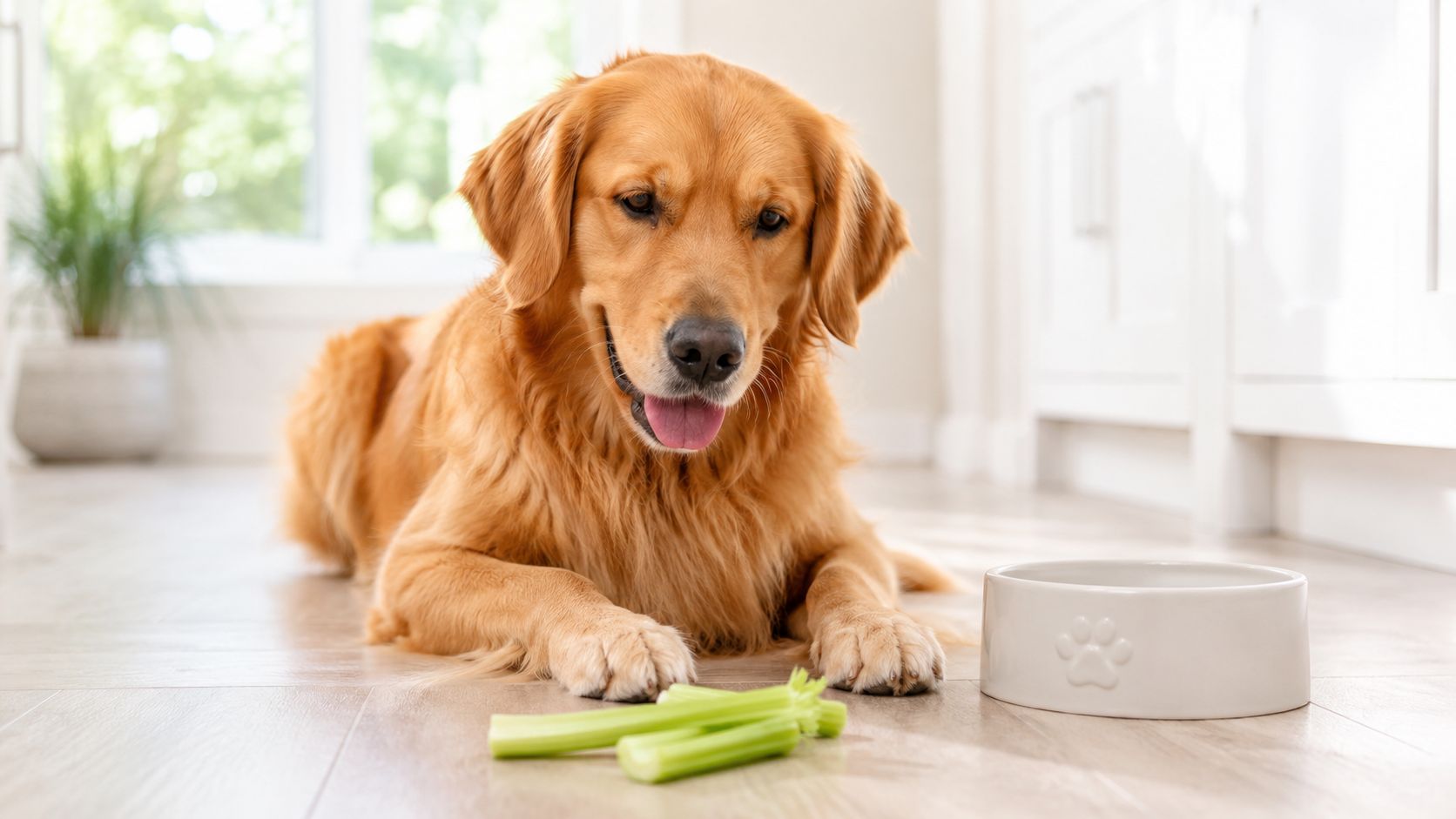
For most healthy dogs, the answer is yes. But “yes” doesn't mean toss them a whole stalk and move on. It means you treat celery like any other snack. You prepare it properly, serve it in small amounts, and pay attention to the dog in front of you.
Why owners like celery in the first place
Celery appeals to people who care about total wellness, not just appearance. That's the same mindset behind premium pet grooming. Clean coat, trimmed nails, healthy skin, sensible treats, and stable routines all work together.
A few reasons celery makes sense:
- It's light: It gives your dog crunch without adding much energy.
- It's practical: You can serve it raw, frozen, or cooked, depending on what your dog handles best.
- It supports routine: It works well as an occasional reward after training, walks, or calm behavior.
Practical rule: Safe doesn't mean unlimited. A healthy treat still needs portion control and thoughtful prep.
If you're building a better snack routine, it helps to compare vegetables and reward options side by side. A guide to healthy puppy treats can help you tighten up that routine instead of guessing every time your dog asks for a bite.
The standard I recommend
Treat celery like a controlled extra, not a health craze. It's useful, but it isn't magic. Owners who keep that perspective usually make better feeding decisions across the board.
That no-nonsense approach matters in El Paso, where many dogs stay active year-round and owners want options that support weight awareness without overcomplicating daily care.
The Real Nutritional Benefits of Celery for Dogs
Celery's value is straightforward. It's mostly water, very low in energy, and works best as a filler treat for dogs that enjoy crunch. That makes it a reasonable option when you want a snack that feels generous without becoming excessive.
According to Native Pet's review of celery for dogs, USDA food data shows celery is mostly water and very low in energy, so it can work as a filler treat, but the fiber and crunch are not a substitute for veterinary dental care or a balanced weight-loss plan. That's the right way to frame it.
What celery does well
Celery helps with three things most owners care about:
- Hydration support: Because it's mostly water, it can feel refreshing, especially for dogs that like crisp textures.
- Low-impact snacking: It fits well for dogs that need tighter calorie control.
- Enrichment: Some dogs enjoy the sound, feel, and chewing experience.
That said, people often assign too much value to “clean” vegetables. A crunchy green snack can be helpful, but it won't fix a sloppy diet, poor portion control, or neglected dental care.
What celery does not do
Here, internet advice frequently loses its rigor. Celery is not a treatment. It's not a fat-loss plan. It's not dental maintenance.
Celery is best treated as an occasional, low-impact snack, not a therapeutic food.
If your dog needs to lose weight, the main lever is still total calorie control across the entire day. If your dog has bad breath or tartar, the main fix is still proper veterinary dental care. Owners who understand that save themselves time and avoid false confidence.
The honest takeaway
Celery is worth using when it fits the dog and the moment. It's especially practical for reward-based routines where you want something light, simple, and easy to portion. But keep your standards high. Use it as one small part of a well-managed routine, not as proof that your dog's nutrition is handled.
That disciplined mindset separates thoughtful pet care from random snack sharing.
How to Minimize Risks When Sharing Celery
The main risk with celery isn't toxicity. The primary issue is mechanics. Big pieces, long strings, and rushed feeding can turn a harmless vegetable into a choking or digestion problem.
According to Pooch and Mutt's celery safety guidance, large or stringy pieces can lodge in the throat or be hard to digest, causing gas or diarrhea. That risk matters more for small dogs, senior dogs, and dogs with dental issues.
Prep it like it matters
Sloppy owners often create avoidable problems. If you're going to give celery, do the basic work first.
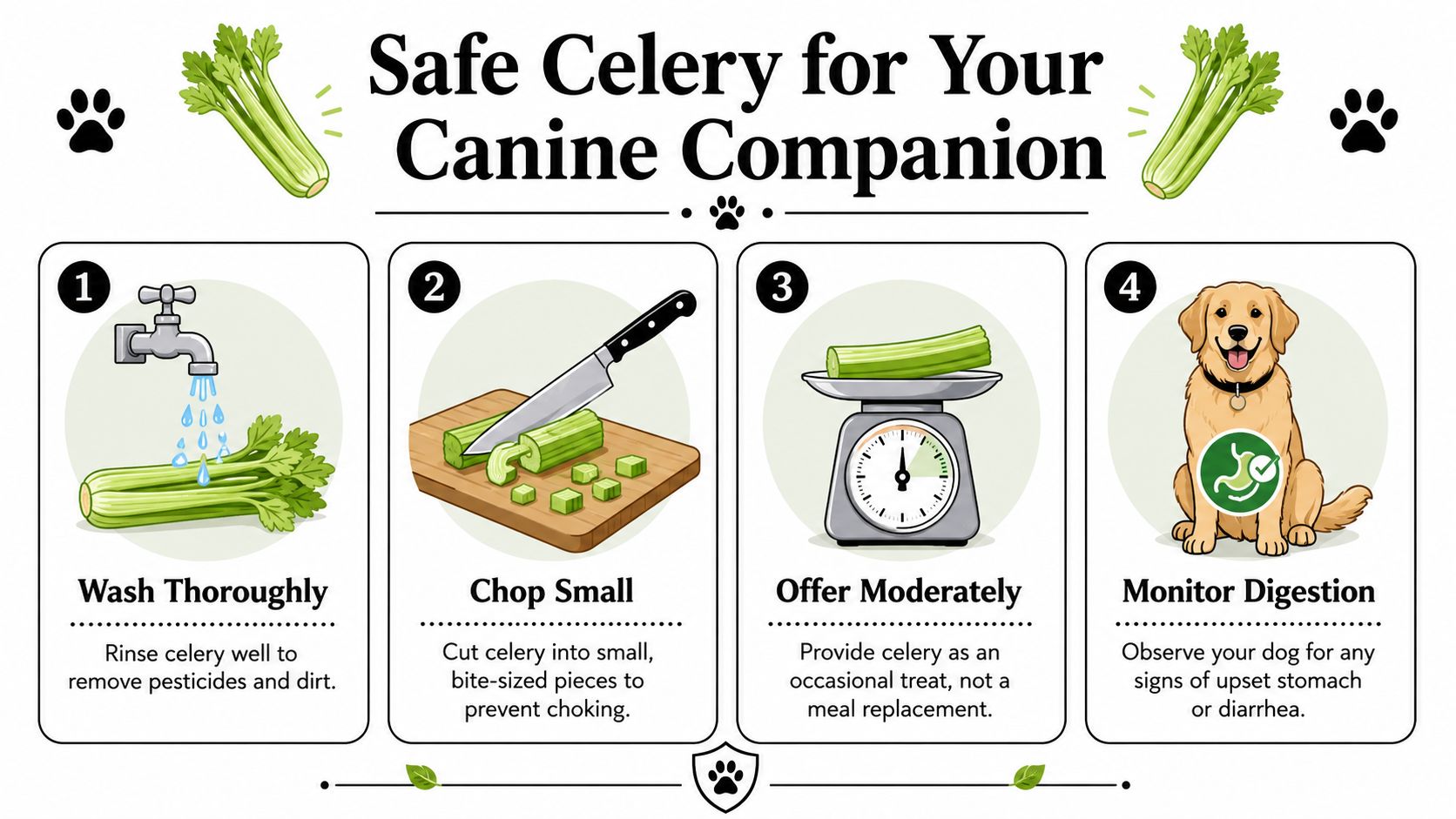
Use this checklist every time:
- Wash it well. Dirt and residue don't belong in your dog's bowl.
- Remove the tough strings. That fibrous texture is where a lot of the trouble starts.
- Cut very small pieces. Bite-sized means appropriately bite-sized for your dog, not for you.
- Watch after serving. New foods deserve observation, not blind confidence.
Which dogs need extra caution
Not every dog should get the same preparation. That's where chain-store thinking falls apart. A young, large dog with strong chewing habits is one thing. A tiny senior with worn teeth is another.
Be especially careful with:
- Small dogs: Their airway and chewing capacity leave less room for mistakes.
- Senior dogs: Age often brings weaker teeth and slower digestion.
- Dogs with poor dentition: Crunch isn't helpful if they can't chew safely.
- Dogs with sensitive stomachs: Even a simple vegetable can trigger gas or loose stool.
If your dog falls into that last group, review a more targeted approach to dog food for dogs with sensitive stomachs before adding extra snacks.
Smart serving habits at home
A disciplined routine beats guesswork every time. I recommend serving celery when your dog is calm, not overexcited, and not inhaling everything in sight. Hand-feeding one piece at a time is often smarter than dropping a pile into a bowl.
Give celery in very small, string-free pieces and monitor the dog, especially if they're older, smaller, or prone to stomach upset.
That extra attention isn't overkill. It's competent ownership.
A Practical Serving Guide for Your Dog
Portion control is where responsible owners separate themselves from casual snackers. Celery is light, but treats still need boundaries. The cleanest rule comes from pet-health guidance that keeps treats under a fixed share of the daily intake.
Chewy states that treats like celery should stay under 10% of a dog's daily calories, and their serving guidance runs from 1 small piece for extra-small dogs at 2 to 10 lb to a handful for extra-large dogs at 91+ lb. Chewy also notes celery can be served raw, frozen, or cooked, and that it has 14 calories per cup and is 95% water in its celery feeding guide for dogs.
Celery Serving Size by Dog Weight
| Dog Size | Weight (lbs) | Recommended Serving |
|---|---|---|
| Extra-small | 2–10 lb | 1 small piece |
| Small | Above 10 lb to below large sizes | A few very small pieces |
| Medium | Mid-size dogs | Small, chopped portion |
| Large | Larger dogs | Modest portion of chopped pieces |
| Extra-large | 91+ lb | A handful |
How to use this table correctly
This table is a starting point, not an excuse to feed carelessly. If your dog has never had celery before, start below the upper end of what seems reasonable. Dogs don't need a full serving just because they're interested.
A few practical rules help:
- Start smaller than you think: First exposure should be conservative.
- Adjust for chewing style: Fast gulpers need tighter portions.
- Count all treats together: Celery isn't the only snack that matters that day.
My recommendation
Keep celery occasional and boring. That's a compliment. Boring treats are often the safest treats because owners don't get carried away and dogs don't get overloaded.
Customized portions matter in nutrition the same way they matter in premium pet grooming. Good care is never one-size-fits-all.
Fueling an Active El Paso Pet Lifestyle
El Paso dogs don't live soft, indoor-only lives by default. Many of them walk neighborhood routes, hit local trails, spend time in yards, and burn energy in dry heat that demands smart hydration and common-sense recovery. That's where simple treats can fit into a stronger routine.
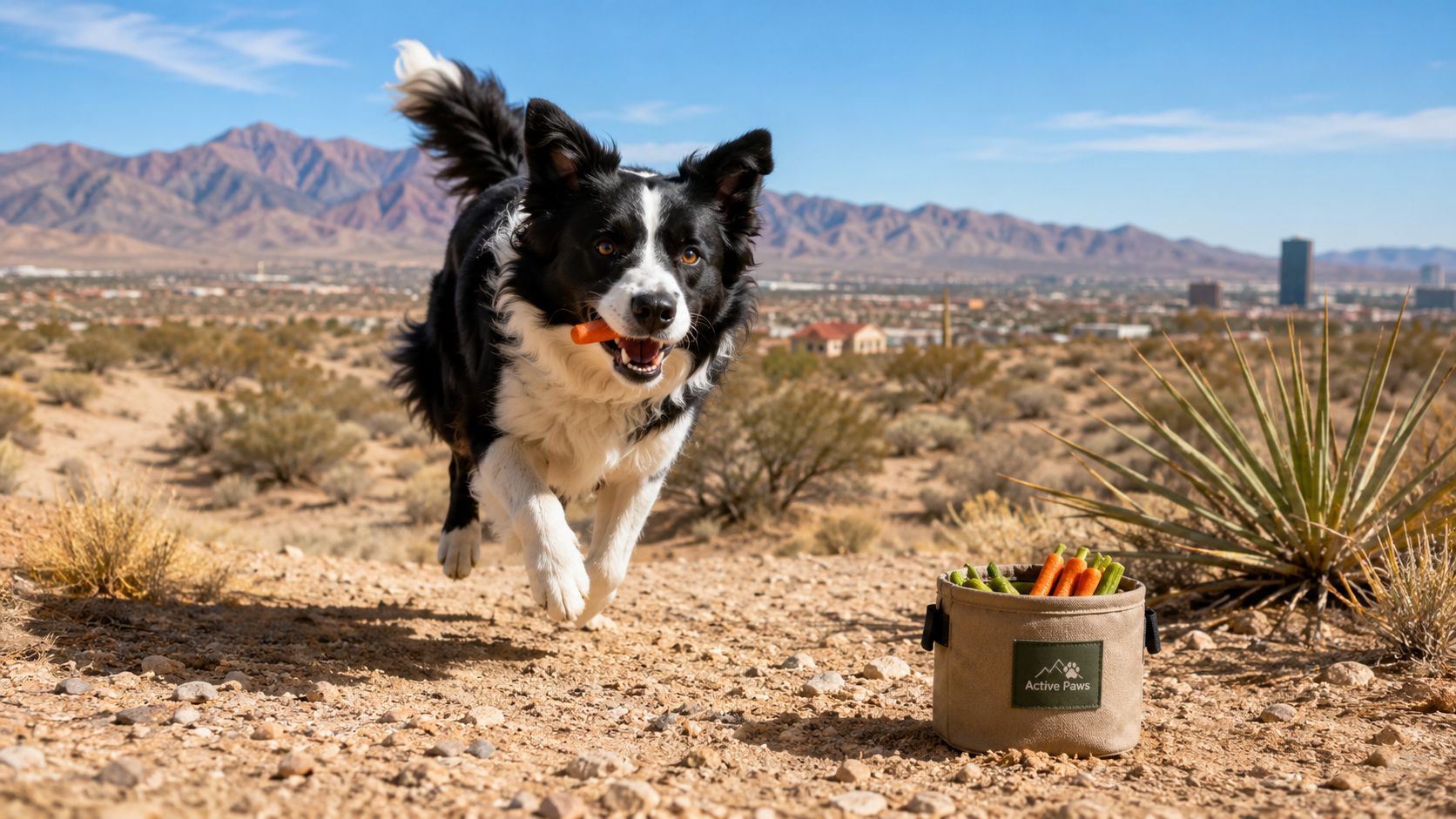
Celery can work after a walk, after light training, or as part of a controlled snack pattern for dogs that beg in the kitchen. It's not the only option, and it shouldn't be. A good owner builds variety with the same standards they'd expect from premium pet grooming: cleanliness, consistency, and attention to the dog's actual needs.
Better routines for active dogs
The dogs that do best usually have owners who keep things orderly. They don't hand out random leftovers. They don't overreward after exercise. They build repeatable habits.
A solid approach looks like this:
- Post-walk reset: Water first, then a small snack if your dog handles it well.
- Training rewards: Use tiny pieces so repetition doesn't become overfeeding.
- Heat-aware choices: Crisp vegetables can feel lighter than rich treats on hot days.
- Rotation: Mix celery with other plain, dog-safe produce options such as carrots or green beans when appropriate for your dog.
If you're reworking the entire snack lineup, a guide to fresh food for dogs can help you think beyond packaged treats without getting reckless.
Why standards matter more than hype
A lot of owners say they want affordable grooming promo deals, healthier rewards, and better day-to-day care, but then they settle for convenience and vague advice. That's how standards slip. In pet care, details matter.
Big-box chains like PetSmart and Petco can offer volume. They can't always offer the same calm, one-on-one attention, disciplined workflow, or local accountability that serious El Paso dog owners are looking for. The same mindset applies at home. Precision beats convenience when your dog's comfort is on the line.
One community example matters here. Monthly promos such as Snip & Style Saturday give families a practical way to stay on top of coat care without dropping standards. That's what a strong local pet culture should look like. Premium when it counts, accessible where it helps, and never careless.
Here's a useful visual if you're refining your dog's wellness routine and treat habits alongside exercise and care.
The local edge
El Paso dog owners know the difference between generic advice and real-world application. Heat, dust, active weekends, and packed schedules all shape how people care for their dogs here. The owners who do it best keep routines tight. They choose snacks with intention, grooming with standards, and care partners who act like quality still means something.
Good routines don't need to be fancy. They need to be repeatable, clean, and suited to the dog.
That's the formula that holds up.
Choose a Groomer with Uncompromising Standards
Dogs can eat celery safely when you keep it moderate, cut it properly, and serve it with discipline. That's the clean answer. It's a smart low-calorie option for many dogs, but only when the owner respects portion control and mechanical safety.
That same principle should guide every other decision you make for your dog. Coat care. Skin care. Nail maintenance. Ear cleaning. Scheduling. Handling. None of it should be random. None of it should be rushed.
What separates premium care from chain-store care
A crowded grooming floor and a rushed handoff might be common, but common isn't the standard serious owners should accept. Dogs do better in calm, controlled environments where the workflow is intentional and the handling is consistent.
Look for a groomer that delivers:
- One-on-one attention: Fewer distractions, less chaos, better oversight.
- Clear standards: Clean process, defined services, and no vague promises.
- Local accountability: In El Paso, reputation still matters.
- Long-term thinking: Not just a quick trim, but total wellness support.
My advice to El Paso dog owners
Choose people who run their operation with pride. Choose veteran-owned grooming when you want discipline, reliability, and standards that don't move around depending on the day. Choose premium pet grooming when your dog needs thoughtful handling, not assembly-line processing.
If you're also watching your budget, that doesn't mean settling for less. A strong affordable grooming promo should still come with real workmanship and respect for the dog. It should feel like value, not a shortcut.
A good groomer should make your life easier and your dog more comfortable. That's the benchmark. Anything less is noise.
If you want El Paso dog grooming with disciplined standards, calm one-on-one handling, and the kind of pride you only get from a veteran-owned grooming business, book with Glo More Grooming. From premium pet grooming to a practical affordable grooming promo like Snip & Style Saturday, this is care built for owners who expect precision, consistency, and real respect for their dogs. Reserve your spot now.