Your schnauzer has that unmistakable look. Sharp outline, serious eyebrows, proud beard, and a coat that can look polished or unruly depending on the last grooming appointment. Most owners in El Paso know the feeling. You want your dog to look like a schnauzer, feel comfortable in the heat, and stay manageable between visits, but the options can get confusing fast.
That's where disciplined grooming matters. A schnauzer haircut isn't just a style choice. It affects coat texture, matting risk, eye visibility, daily cleanup after water or food, and how much brushing you'll need to do at home. In a climate like El Paso, where dust, dry air, and heat all play a part, the right trim needs to suit the dog and the household.
At Glo More Grooming, that decision starts with standards. As a veteran-owned grooming studio, we approach schnauzer grooming styles with structure, patience, and one-on-one attention. That's a very different experience from the rushed pace many owners expect from chain grooming environments. The goal isn't to push every schnauzer into the same haircut. The goal is to execute the right cut cleanly, safely, and consistently.
If you're deciding between a classic outline, a shorter pet trim, or a fully custom blend, start here.
1. The Classic Schnauzer Cut (Standard Breed Standard)
If you only learn one of the schnauzer grooming styles, learn this one first. The classic schnauzer cut is the template everything else comes from. It's the breed's signature outline, and it still shows up in modern grooming references with the same core structure: the body is clipped or stripped while the beard, eyebrows, and leg furnishings stay longer, creating that distinct bearded profile described in this grooming guide for Schnauzers.
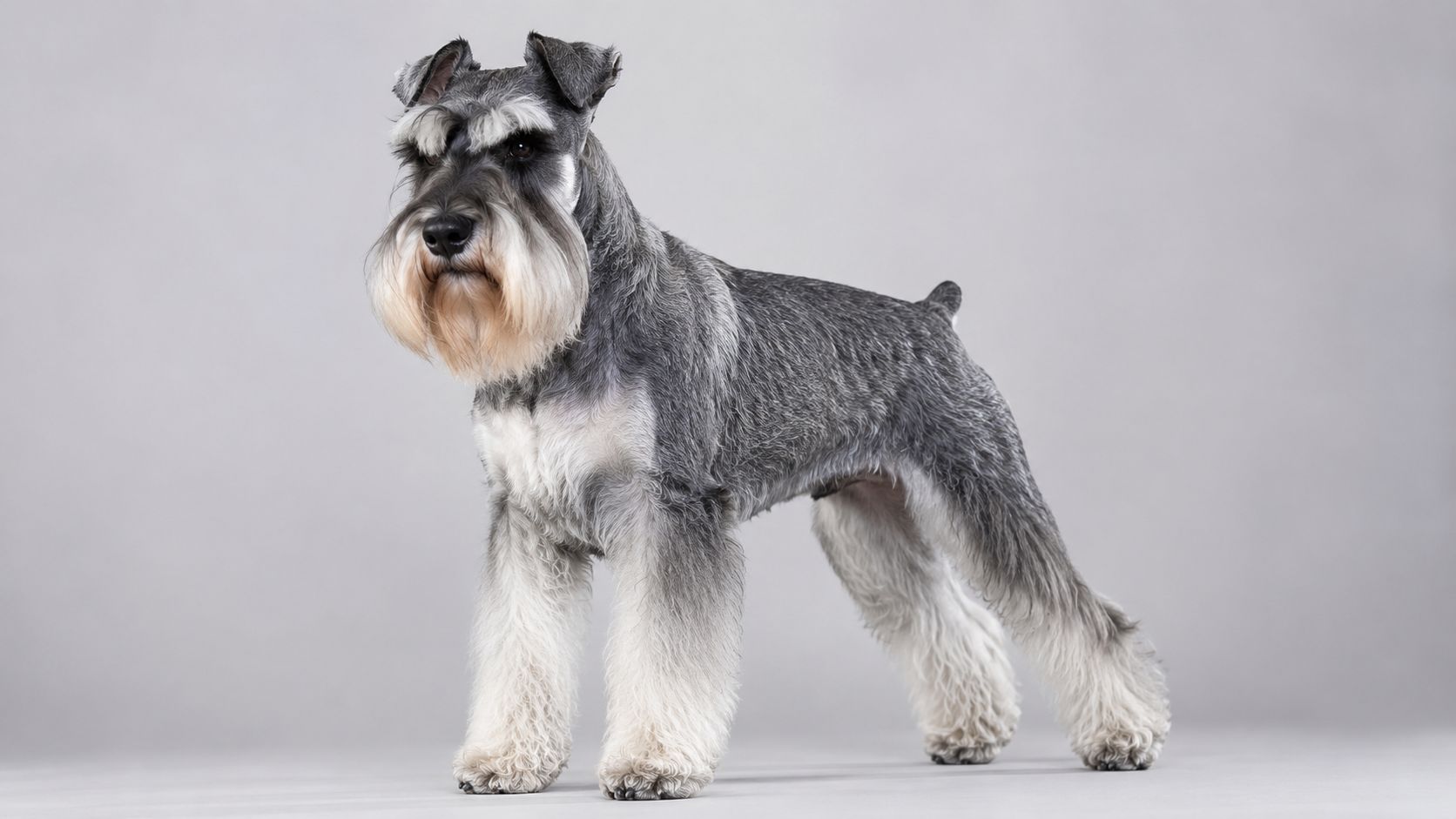
This is the cut owners picture when they think “schnauzer.” The head, neck, shoulders, back, and tail follow a disciplined pattern, while the face is finished with the inverted “V” between the eyes and a shaped beard. When done right, the dog looks alert, square, and balanced.
What works and what doesn't
This style works well for owners who love breed character and don't want a generic pet trim. It's also a strong fit for dogs whose owners are willing to stay on top of beard care, leg brushing, and regular upkeep. It doesn't work well if you want to ignore the face between appointments. A neglected beard turns into a mess quickly, especially after drinking or eating.
Practical rule: If you want the classic profile, you also have to accept classic maintenance.
At a premium pet grooming studio, the difference is in the finish. Chains often deliver a version of the outline. A detail-focused groomer shapes the expression, cleans transitions, and leaves the dog looking intentional rather than merely short.
- Best for breed identity: Owners who want the dog to look unmistakably Schnauzer.
- Best home habit: Keep a metal comb near the food station and comb the beard after meals.
- Common mistake: Asking for “short everywhere” and then wondering why the dog no longer reads as a Schnauzer.
In El Paso dog grooming, this cut is still a favorite because it respects the breed without forcing a full show routine on a family pet.
2. The Puppy Cut (Soft, Uniform Clippered Look)
A family walks in after a windy El Paso week, and the Schnauzer has burrs in the leg hair, a damp beard, and a coat that has gone from cute to unruly fast. That is the moment the puppy cut makes sense. It keeps the dog clean, soft, and manageable without asking the owner to maintain a full Schnauzer outline at home.
This trim uses a shorter, more even clipper length over the body, with a softer finish through the furnishings and face. Owners often choose it for puppies, active family dogs, and rescues that need a fresh start. The trade-off is straightforward. You gain easier upkeep, but you give up some of the sharp profile that makes the classic Schnauzer cut so distinctive.
At Glo More Grooming, a puppy cut is never just “short all over.” In a one-on-one studio, the finish has to hold up at close range. I pay attention to the muzzle shape, the throat and neck transition, and how much leg coat to leave so the dog still looks balanced instead of blocky. That level of detail is where a premium appointment separates itself from a chain trim that concentrates on removing length.
Owners who want to understand why one short trim looks plush and another looks rough can read our guide to hair cutters for dogs. Tool choice changes the finish, especially on a Schnauzer coat that can show every pass of the blade.
Why owners choose it
This is a practical style for homes that want a clean dog between appointments without daily line brushing. It also suits El Paso conditions well. Dust, heat, and outdoor time are easier to manage when the coat is kept neat and moderate.
The common mistake is asking for the coat too short, especially on the face and legs. Once the furnishings disappear, the dog can lose expression and breed character. A good puppy cut keeps maintenance down while still leaving enough coat for a soft outline.
The American Kennel Club's Miniature Schnauzer grooming advice supports regular brushing and routine professional grooming, which applies here as much as it does to longer trims. Shorter coat does not stop matting around the beard, armpits, or friction points.
A puppy cut reduces maintenance. It does not replace maintenance.
For first-time owners, this style is often the best place to start. It gives the dog comfort, keeps the schedule realistic, and lets a skilled groomer adjust the finish over time as the owner learns how much coat they want to manage.
3. The Stripped Show Coat (Hand-Stripped Traditional)
This is the serious coat. The stripped show coat is built for owners who are dedicated to coat texture, color depth, and preserving the breed's traditional harsh finish. It's also the style that separates casual pet maintenance from true coat craft.
The core issue is simple. Miniature Schnauzers have a double coat with a wiry topcoat and a soft undercoat, and the show-ring method is hand stripping or coat rolling rather than clipping. Breed guidance for pet owners also makes a key point: clipping causes the wiry topcoat to disappear, so your decision changes texture, maintenance intensity, and classic coat quality as explained in these Miniature Schnauzer pet grooming tips.
Who should choose this
Not every Schnauzer needs this coat plan. Most pet owners are better served by a clean, well-executed pet trim. But if you want authenticity, if your dog has exceptional coat texture, or if you have show ambitions, hand stripping is the right conversation.
This style rewards patience. It also rewards loyalty to a groomer who knows how to maintain a rolling coat instead of stripping everything down and starting over. In a veteran-owned grooming setting, that kind of repeatable process matters. The workflow has to be consistent.
- Best for purists: Owners who want correct texture, not just the right outline.
- Needs a specialist: Hand stripping is a skill, not an add-on buzzword.
- Wrong fit for convenience-first homes: If you want the fastest, easiest appointment cycle, don't choose this path.
I'll put it plainly. If a groomer says they can make a clipped coat feel like a stripped coat, that's not the same thing. Texture decisions are long-term decisions with this breed.
Premium standard matters
Hand stripping demands time, judgment, and commitment, qualities chain grooming typically lacks. It doesn't fit a conveyor-belt schedule. For an authentic traditional coat, choose a groomer who respects the craft and will be honest about whether your dog's coat, lifestyle, and owner commitment support it.
4. The Summer Cut (Warm-Weather Practical Style)
By July in El Paso, a Schnauzer can come in carrying dust on the legs, extra heat under a heavy jacket, and a beard that picked up half the morning walk. The summer cut solves a real seasonal problem. It shortens the coat for comfort and cleanup while keeping enough breed detail that the dog still reads as a Schnauzer.
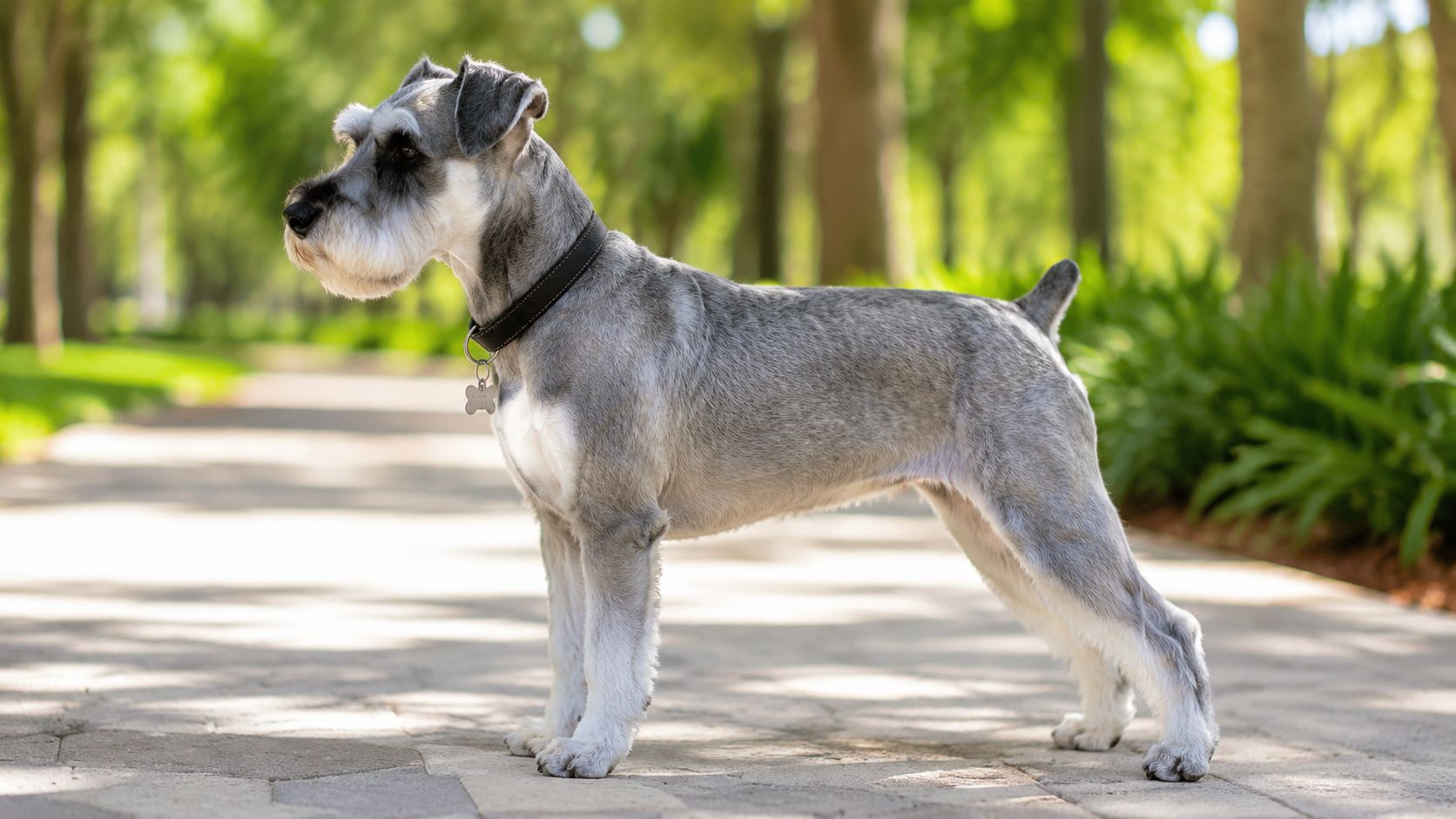
This style works well for dogs that live an active outdoor life, for seniors that do better with less coat to manage, and for owners who want faster brushing and easier bathing during hot weather. A shorter body collects less debris. The feet dry faster after washing. The outline also stays cleaner between appointments, especially in our dry, dusty conditions.
Seasonal practicality
A summer cut should never be treated like a generic all-over shave. Coat length, skin condition, and furnishing balance still matter. Go too short on a Schnauzer with pink or sensitive skin and you can create more sun exposure and irritation. Leave too much leg and beard against a tight body clip, and the trim starts to look top-heavy and unfinished.
In my shop, the best version is usually a moderated reset, not the shortest blade on the chart.
Most dogs do well with a practical body length, a tidy sanitary area, cleaner lines on the throat and chest, and a beard trimmed with purpose instead of left oversized. That keeps the dog cooler and easier to maintain without erasing expression. Owners who like a softer face later on often ask for ideas that overlap with a rounded teddy bear cut for dogs, but in summer I still keep function first.
What I recommend in El Paso
At Glo More Grooming, a one-on-one appointment makes a difference with this style because the coat plan can match the dog standing in front of me, not a template built for volume. A hard-playing young Schnauzer needs a different summer trim than a retired senior with thinner skin, and both need more judgment than a quick chain clip usually allows.
The goal is simple. Less heat, less mess, and less daily coat work, with enough brow, beard, and leg definition to keep the breed looking correct. A good summer trim should still look intentional three weeks later, not just sharp on pickup day.
5. The Teddy Bear Cut (Rounded, Soft Aesthetic)
The teddy bear cut is one of the most requested modern pet trims for Schnauzers, especially with younger families and owners who prefer a softer expression. Instead of the sharper, more angular Schnauzer face, this look rounds and blends the head, muzzle, and body for a friendlier silhouette.
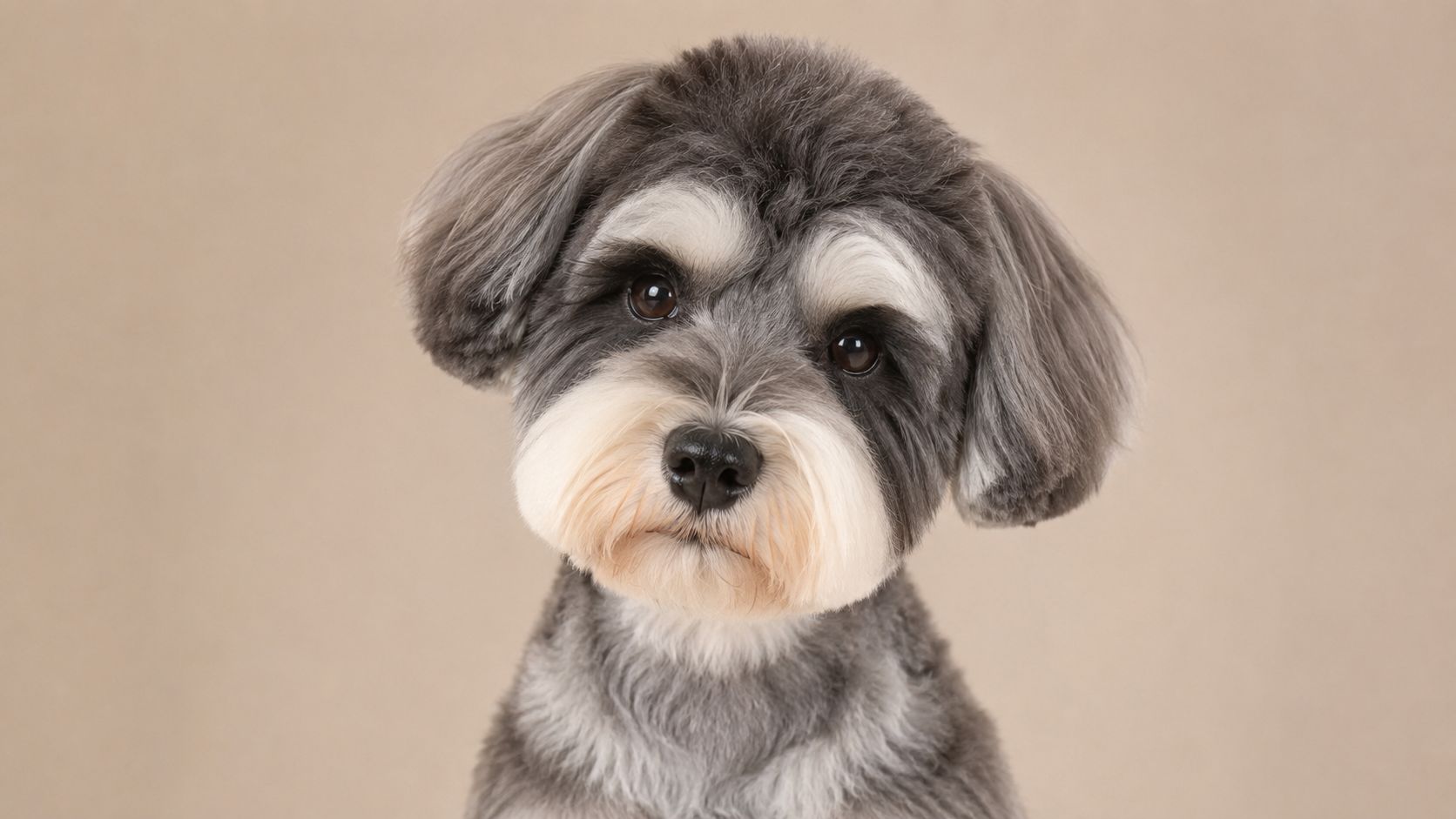
This style can be charming. It also demands restraint. Too much roundness and the dog stops looking balanced. Too much coat around the eyes and muzzle, and now you've created a visibility and hygiene problem.
The face is where skill shows
There's growing owner interest in softer, hybrid, and Asian-fusion-inspired Schnauzer faces, but many tutorials still focus more on demonstration than on owner concerns like comfort, tear staining, and upkeep. The conversation around the face also matters because careful eyebrow separation, safe angling near the eye corners, and precise handling around sensitive areas directly affect visibility and the risk of nicking delicate skin as highlighted in this Schnauzer face styling video discussion.
That's why I don't treat this as a “cute” trim alone. The face has to function.
For owners curious about the softer rounded look in a broader grooming sense, Glo More Grooming also explains what a teddy bear cut for dogs usually involves.
When this style works best
This cut works for dogs with pleasant coat density, owners who like a plush pet look, and households willing to do face cleanup between appointments. It does not work for owners who want to leave the muzzle untouched for weeks and still expect it to look crisp.
- Best for expression: Dogs whose owners want soft, approachable styling.
- Needs face care: The eye area and muzzle must stay clean.
- Common failure point: Round does not mean overgrown.
A polished teddy bear cut should look deliberate, not fluffy by accident.
6. The Sporting Cut (Athletic, Low-Maintenance Working Dog Style)
Some Schnauzers live hard. They run, trail, train, get dusty, and come home carrying half the outdoors in their coat. For those dogs, the sporting cut is often the smartest answer.
This style keeps the coat functional and moderate rather than decorative. It trims down bulk, reduces tangling, and makes cleanup after outdoor activity more manageable. You still want enough coat to avoid a bare, stripped-down appearance, but the priority shifts from presentation to mobility and maintenance.
Built for active dogs
In El Paso, this is a practical choice for owners who spend time on desert trails, in open parks, or around dirt and brush. A dog that's active several days a week usually doesn't benefit from excessive leg furnishing or an oversized beard. That coat becomes a collection point for burrs, dust, and knots.
The sporting cut also helps dogs that don't enjoy long brushing sessions at home. If the owner can commit to basics but not detailed furnishing care, this style respects reality.
Keep enough coat for dignity. Remove enough coat for function.
What separates good from average
Average execution makes the dog look generic. Good execution preserves head shape, keeps transitions smooth, and leaves enough Schnauzer identity that the dog still looks like its breed. That's the difference between going short and designing a working trim.
A veteran-owned grooming studio tends to shine here because disciplined workflow matters. Athletic cuts need efficiency, but they also need judgment. The groomer has to ask the right questions. Is this dog hiking weekly? Training in dusty conditions? Spending time in harnesses? Those details should shape the trim.
For owners searching El Paso dog grooming with a practical bent, this is one of the most useful styles to discuss during consultation.
7. The Senior Dog Style (Comfort-Focused Grooming)
Older Schnauzers need a different standard. Not a lower standard. A different one.
The senior dog style is built around comfort, handling tolerance, skin condition, mobility, and time on the table. Many aging dogs don't want long grooming sessions, heavy dematting, or elaborate styling around the legs and face. They need a trim that keeps them clean, dignified, and easy to maintain.
Comfort comes first
A good senior trim shortens the areas that mat quickly, especially where friction and moisture collect, while preserving softness where the dog still looks like itself. The goal isn't to erase personality. It's to reduce strain.
One-on-one grooming matters far more than owners sometimes realize. Senior dogs often do better in a quiet setting without the noise and pace of high-volume shops. In a calm premium pet grooming environment, the dog can be repositioned carefully, given breaks, and handled with intention.
For owners navigating aging-pet care, Glo More Grooming's page on dog grooming for older dogs is directly relevant.
Real-world decisions
A senior Schnauzer with arthritis may need shorter furnishings so the coat stays cleaner with less brushing. A dog with cloudy vision may need the brows trimmed more openly for visibility. A dog with thin skin may need gentler technique around friction points.
- Best outcome: Clean, soft, manageable coat without unnecessary stress.
- Wrong approach: Forcing a full decorative Schnauzer pattern on a dog that can't comfortably tolerate it.
- Owner mindset: Prioritize comfort and routine over nostalgia for an old haircut.
The right senior trim is compassionate grooming. It respects the dog in front of you, not the haircut they wore years ago.
8. The Custom Blend Cut (Personalized Hybrid Style)
This is the cut many owners need. Not fully classic. Not fully puppy. Not a show coat. Not an all-over shave. A custom blend.
A custom blend combines the best parts of several schnauzer grooming styles based on coat texture, lifestyle, climate, behavior, and owner follow-through. Maybe the body stays practical, the brows stay expressive, the legs are softened, and the beard is shortened for easier cleanup. That's often the sweet spot for modern pet owners.
Where premium grooming earns its name
Custom work only succeeds when the consultation is sharp. The groomer has to look at the coat objectively and ask better questions than “How short?” A polished hybrid trim depends on knowing how the dog lives.
For example, a professional in El Paso might want a dog that still reads as Schnauzer but stays neat with a busy schedule. A family might want a softer face because children interact closely with the dog, but they still want a clean underline and tidy feet. A senior dog might need breed dignity in the face and a comfort-first body trim.
The best custom cut isn't creative for the sake of it. It's specific to the dog.
Why chains struggle with this
Custom blends need memory, notes, consistency, and real communication. High-volume salons often struggle there because one visit may not look like the next. An independent veteran-owned grooming studio can build the style over time, refine it, and keep records so the finish stays recognizable from appointment to appointment.
That's also where affordable grooming promo events can help owners stay consistent. If your dog already has a defined custom pattern, a recurring touch-up option like Snip & Style Saturday can support maintenance without waiting until the coat is overgrown and harder to reset.
Schnauzer Grooming Styles, 8-Style Comparison
| Style | Implementation Complexity 🔄 | Resource Requirements ⚡ | Expected Outcomes ⭐ | Ideal Use Cases 📊 | Key Advantages & Insights 💡 |
|---|---|---|---|---|---|
| The Classic Schnauzer Cut (Standard Breed Standard) | Moderate–High (professional; hand‑stripping optional) | Skilled groomer, stripping or clipper tools; regular 6–8 wk appointments | Breed‑authentic, dignified, show‑ready coat | Show dogs, owners who prioritize breed standard | Authentic appearance; schedule 6–8 wk trims; daily beard/eyebrow combing |
| The Puppy Cut (Soft, Uniform Clippered Look) | Low (straightforward clipper work) | Clippers, short appointment; grooming every 8–12 wks | Uniform, soft coat with easy upkeep | Busy families, warm climates, first‑time owners | Low maintenance and quick; request ~1/3" blade; brush 2–3×/week |
| The Stripped Show Coat (Hand‑Stripped Traditional) | Very High (labor‑intensive hand‑stripping) | Expert hand‑stripper, 3–5 hr sessions, higher cost | Correct harsh texture, color depth, show‑standard coat | Competitive show dogs and breed purists | Best for show success and coat health; start early and budget accordingly |
| The Summer Cut (Warm‑Weather Practical Style) | Low (short clipper cut) | Clippers, seasonal scheduling; touchups every 8–10 wks | Cooler, minimal coat that reduces overheating | Hot climates, active or heat‑sensitive dogs, seniors | Excellent heat relief and faster drying; schedule in late spring; use sunscreen on sensitive areas |
| The Teddy Bear Cut (Rounded, Soft Aesthetic) | Moderate–High (scissor blending skill required) | Skilled scissor groomer, longer appointment, higher cost | Rounded, cuddly look that photographs well | Young owners, social media pets, families | High visual appeal; bring reference photos; maintain every 8–10 wks |
| The Sporting Cut (Athletic, Low‑Maintenance Working Dog Style) | Low–Moderate (functional clipper styling) | Clippers, quick appointments; periodic trims every 10–12 wks | Durable, practical coat with protective coverage | Hunting, agility, working/outdoor dogs | Practical and cost‑effective; tell groomer about activities for appropriate styling |
| The Senior Dog Style (Comfort‑Focused Grooming) | Low (gentle handling and adjustments) | Gentle equipment, shorter sessions, staff trained for seniors | Comfort‑focused, low‑stress grooming with easier home care | Geriatric dogs, dogs with mobility or skin issues | Reduces stress and aids health monitoring; schedule 30–45 min slots and disclose conditions |
| The Custom Blend Cut (Personalized Hybrid Style) | Very High (consultation + bespoke execution) | Extended consultation, expert groomer, possible multiple visits | Tailored look balancing aesthetics, function, and health | Owners seeking premium, personalized grooming | Maximum customization and owner satisfaction; bring references and plan follow‑ups |
From Vision to Reality: The Glo More Grooming Standard
Choosing the right style is only half the job. The actual difference shows up in execution. Anyone can say they do schnauzer grooming styles. Not everyone can shape expression cleanly, manage coat texture skillfully, protect the face safely, and deliver a result that still fits the dog's real life in El Paso.
That's where Glo More Grooming takes a different path. This is a veteran-owned grooming studio built on Greatness, Loyalty, and Ownership. Those values show up in the workflow. Fewer dogs on site, one-on-one attention, clear communication, and disciplined finish work matter for every breed, but they matter especially for Schnauzers because this breed's style is so easy to get almost right and so hard to get completely polished.
Owners also deserve honesty about trade-offs. A clipped pet trim is easier for many homes, but it won't preserve a wiry show texture. A rounded teddy bear face can look sweet, but it needs careful upkeep around the eyes and muzzle. A summer cut can make life easier in desert heat, but it still has to preserve proportion. Premium grooming means telling the truth about those decisions before the haircut starts.
That matters in a local market where many owners have only seen two extremes. Either a rushed chain appointment with inconsistent handoff and limited consultation, or a highly stylized social-media look that doesn't hold up in daily life. Glo More Grooming sits in the space thoughtful owners look for. Skilled, calm, personalized grooming with standards, but still grounded in the practical needs of real dogs and real households.
For El Paso dog grooming clients, local context counts. Dry conditions, dust, heat, and active routines change what works. A Schnauzer that lives comfortably in another region may need a very different maintenance plan here. Beard management, eye visibility, coat length, and seasonal adjustments should all be part of the discussion. That's how premium pet grooming becomes useful instead of performative.
There's also room for consistency without losing accessibility. If you're trying to maintain a clean Schnauzer schedule while watching your budget, ask about options that support routine care. Glo More Grooming offers services that include haircut and styling, and its once-monthly Snip & Style Saturday gives owners an affordable grooming promo path to stay on schedule.
The best trim is the one that still works after the dog leaves the table. It should suit the coat, the climate, and your daily life. If you want that level of care from a veteran-owned grooming team that values precision and calm handling, it's time to book with intention.
Ready to refine your Schnauzer's look with Glo More Grooming? Book your appointment, ask about the Snip & Style Saturday affordable grooming promo, or reach out for a personalized consultation specific to your dog, your routine, and the realities of life in El Paso.