
You're probably reading this because your dog already rides with you. Maybe it's the quick trip to the groomer, the school pickup line, the vet visit across town, or a longer highway drive out of El Paso. The routine feels harmless until you brake hard, take a sharp turn, or realize your dog has climbed halfway into the front seat.
That's where car seats for dogs stop being a convenience item and start being a safety system.
In pet travel coordination, the hard lesson is always the same. Comfort matters, but containment and controlled movement matter first. A soft bed that slides, a cute booster with no real tethering, or a leash clipped to a collar can all fail when the vehicle changes speed suddenly. The dog isn't misbehaving. Physics is doing what physics does.
At a disciplined pet-care standard, travel setup gets treated the same way premium grooming should be treated. With workflow, inspection, and no shortcuts. That same mindset matters whether you're managing a cross-town errand or building a repeat routine around El Paso dog grooming, vet drop-offs, or concierge transport.
The Unspoken Risks of Driving with Your Dog
A loose dog in a moving car creates two risks at the same time. The first is obvious. The dog can be thrown, pinned, or struck during sudden braking or impact. The second risk gets ignored more often. The driver loses focus when the dog climbs, paces, barks at windows, or slips into the front seat.
That's why serious pet travel standards have moved away from treating these products as simple comfort accessories. Car and Driver's review of dog car seats and restraints notes that the Center for Pet Safety says it “scientifically evaluate[s] pet products” and has set the “only independent safety standards protecting families and their pets.” That shift matters. It reframed dog travel gear as equipment that should manage crash risk and driver distraction.
A lot of caring owners still make the same mistake. They assume a calm dog is a safe dog. Calm behavior helps, but it doesn't replace restraint. A small dog sleeping on a console, a medium dog on a lap, or a larger dog stretched across the back seat may look settled right up until the vehicle has to stop faster than expected.
Practical rule: If the dog can freely cross the cabin, the setup is unfinished.
In real travel coordination, safety starts before the engine turns over. You confirm the restraint type, the dog's size, the vehicle anchoring points, and how the dog will be tethered. That level of discipline isn't overkill. It's the difference between a routine ride and a dangerous one.
For owners in a busy city, that matters even more. El Paso traffic patterns, heat, errands stacked back to back, and frequent short drives create plenty of opportunities to get casual. Casual is where mistakes happen.
Choosing the Right Restraint System for Your Dog
The right product depends on dog size, dog temperament, and vehicle layout. Owners usually shop by appearance first. That's backwards. Start with containment, then fit, then comfort, then ease of cleaning.
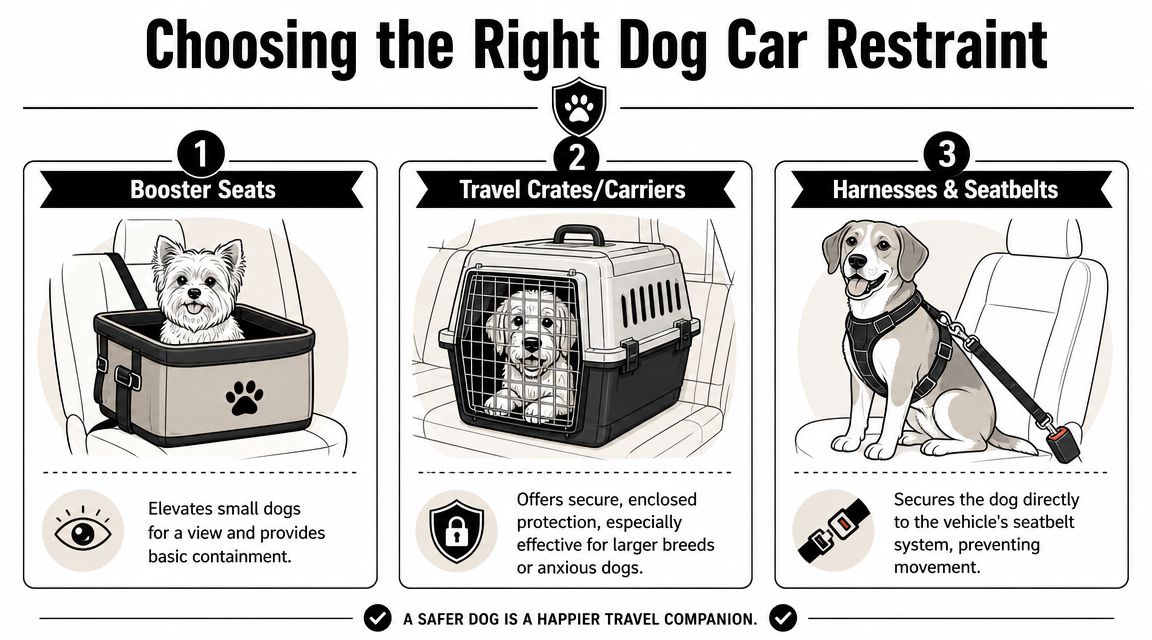
Booster seats for small dogs
Booster seats work best for smaller dogs that settle well and benefit from a defined riding space. They're popular for a reason. They raise the dog, help them see out, and can make short rides less stressful for pets that prefer being higher up.
That said, owners need to understand the category's limits. Dog car seats are usually recommended for smaller dogs, and many products are built for pets 25 pounds and under, as discussed in Chewy's guidance video on dog car seats. The same guidance makes a safety point that should never be skipped: the seat should be used with a harness, not a collar, and it should include a secure seat-belt fastener and tether.
A booster is not automatically a safe restraint just because it has walls and padding. It only becomes a safer system when the seat is secured to the vehicle and the dog is clipped correctly to a harness.
Travel crates and enclosed carriers
Crates and enclosed carriers are often the better answer for dogs that don't settle in open booster seats. They're also useful for pets that get overstimulated by traffic movement, outside noise, or visual triggers.
A crate gives you structure. The dog has a defined boundary, reduced roaming, and less opportunity to interfere with the driver. For many anxious dogs, that enclosed setup creates a steadier ride than an open perch.
This option also suits owners who want a cleaner workflow. If your dog comes straight from the park, hiking trail, or a muddy monsoon-season outing, a contained carrier can be easier to manage than an upholstered booster. That matters if you care about both hygiene and the lifespan of your equipment, the same way premium pet grooming clients care about coat condition between appointments.
Harness systems and seat-belt restraints
A vehicle harness setup can be a solid choice for dogs that are too large for most boosters or for owners who want lower-profile equipment. The key benefit is direct restraint. The dog stays attached to the vehicle system instead of riding in a freestanding bed that may shift more than expected.
Harness systems can also be practical for multi-use vehicles. If you rotate between a family SUV, a work truck, and a second car, a well-fitted harness can be easier to move than a bulky seat. The trade-off is that owners often get lazy with strap adjustment. A harness that's too loose gives the illusion of safety while still allowing too much movement.
The right restraint isn't the plushest one. It's the one your dog fits correctly and your vehicle can secure without slack.
A quick comparison that actually helps
| Restraint type | Best for | Main strength | Main weakness |
|---|---|---|---|
| Booster seat | Small, calm dogs | Elevation and contained riding area | Often misused without proper harness tether |
| Crate or carrier | Anxious dogs, dogs needing more containment | Enclosed structure and reduced roaming | Bulkier fit in some vehicles |
| Harness restraint | Dogs beyond booster use, flexible setups | Direct connection to vehicle restraint system | Easy to misfit or leave too loose |
A disciplined owner also considers cleaning. Fur, dander, drool, and dirt build up fast. Durable fabrics, removable liners, and straightforward wipe-down surfaces matter more than decorative trim. That's the same standard people expect from veteran-owned grooming services that value sanitation and process over showroom fluff.
How to Measure and Size for a Perfect Fit
Sizing mistakes ruin otherwise decent equipment. A seat that's too small crowds the dog and strains the structure. A seat that's too large lets the dog roll, pitch, or shift too much inside the restraint.
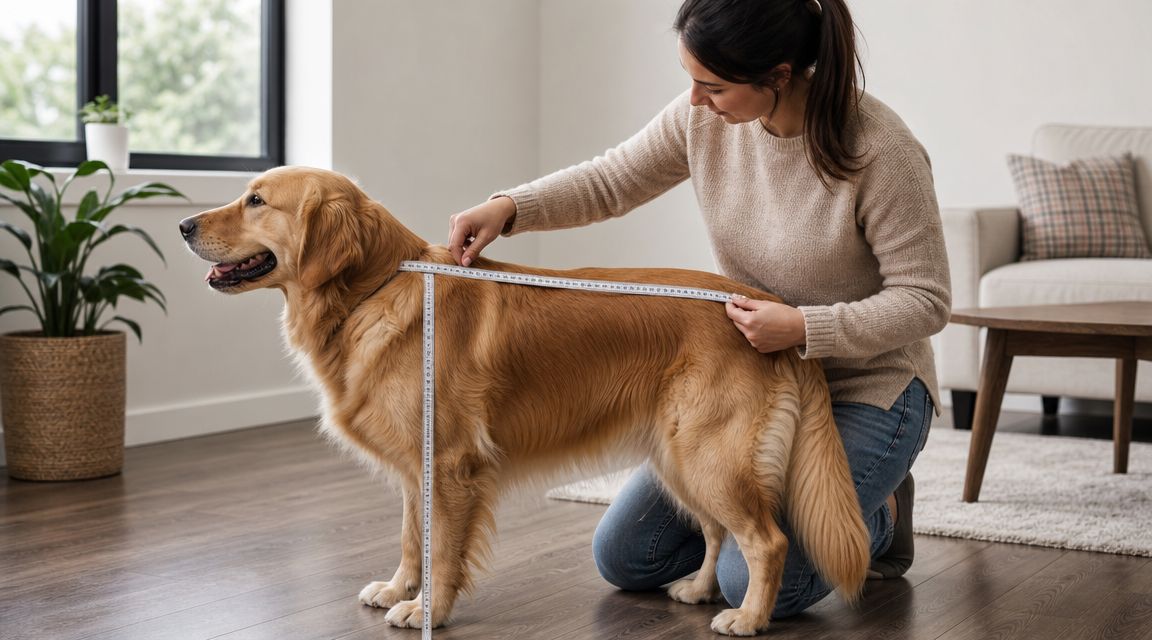
Measure the dog before you shop
Start with three basics:
- Weight. This is the first filter because manufacturers often set the seat by weight class.
- Body length. Measure from the chest area to the base of the tail for usable body space.
- Seated height. Measure from the seat or floor to the top of the shoulders or head position your dog naturally carries in a relaxed sit.
If you're considering a crate-style setup, also measure your vehicle seat area. A restraint that technically fits the dog but sits awkwardly in the vehicle is still the wrong purchase. Owners who need a stronger crate-fitting process can use Glo More Grooming's guide to dog crate sizing.
Respect the published limits
This is one area where “close enough” fails. Smart Bark's dog car seat testing notes explain that many dog car seat failures result from improper sizing. One rigid model was only appropriate up to 13.6 kg (30 lbs), while a booster line could be capped at 12–25 lbs depending on size. Overweighting or under-sizing reduces structural stability and compromises crash protection.
That's why the cleanest workflow is simple:
- Check the dog's current weight before ordering, not last year's vet record.
- Compare every manufacturer size chart carefully because one brand's small may not behave like another brand's small.
- Account for coat bulk realistically if you have a long-coated breed. A freshly groomed dog and a heavily coated dog can occupy the same seat very differently.
- Leave enough room for posture changes without giving the dog room to tumble side to side.
Use a fit test before the first real trip
Set the restraint in the car and place your dog inside while parked. Watch what happens when the dog sits, turns, and lies down. If the body spills over support edges, the product is too small. If the dog slumps into corners and slides around before the vehicle even moves, it's too large or too soft for the dog's frame.
For many owners, discipline often fails when choosing a product. They want one product to serve every dog in the household. That rarely works well. Fit should match the individual dog, not the storage space in your garage.
Installing for Maximum Safety
A good product installed badly is still a bad setup. Installation is where most owners lose the protection they thought they bought.
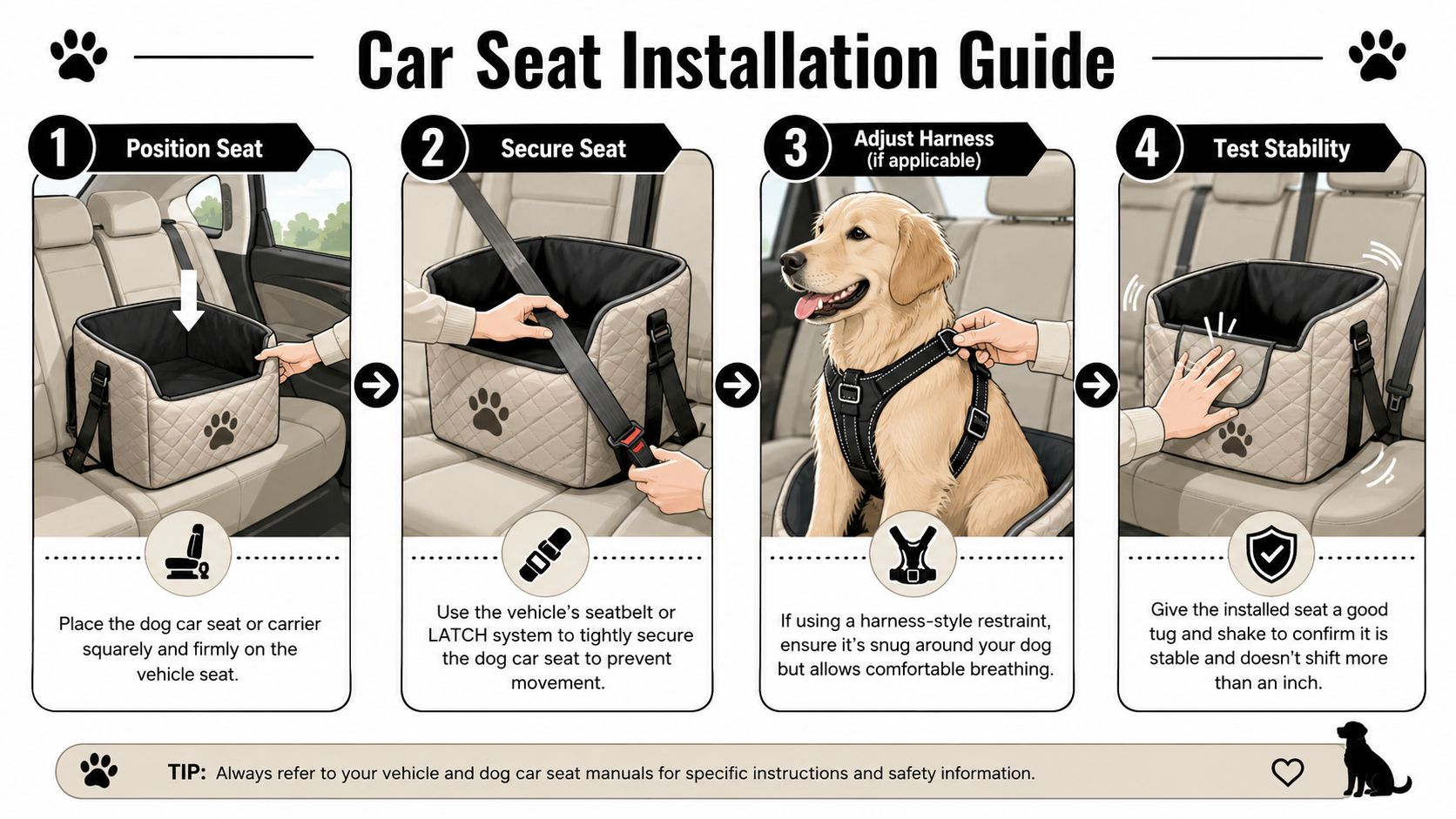
Follow the anchor sequence
The safest setups control motion with more than one point of contact. That can include the main seat anchor, a top tether, and a stabilizing base or side straps. The goal is simple. Keep the restraint from rolling, pitching forward, or sliding under braking.
Installation should follow a set order:
- Place the restraint squarely on the vehicle seat so the base sits flat.
- Attach the main anchors first using the vehicle belt path or compatible anchor system.
- Tension the top tether next if the product includes one.
- Add any side straps or stabilizers so the restraint can't sway excessively.
- Connect the internal tether to the dog's harness, not the collar.
- Remove excess play so the dog remains contained without being pinned awkwardly.
A useful visual walkthrough sits below.
What works and what fails
The setups that work share the same traits. They're tight, centered, matched to the dog's weight, and checked by hand before every trip. The setups that fail usually have one of three problems: too much slack, the wrong attachment point, or a seat that was never stable in that vehicle to begin with.
Common mistakes include:
- Clipping to a collar instead of a harness. That creates a dangerous load point at the neck.
- Ignoring side-to-side movement because the seat “looks secure” from the front.
- Letting the tether stay too long so the dog can climb or lunge out of the protected zone.
- Skipping the shake test after installation.
- Assuming fit equals safety when the restraint was only chosen for dimensions, not motion control.
Non-negotiable check: After installation, grip the restraint and test forward, side, and upward movement. If it shifts easily, fix it before the dog rides.
Front seat and back seat decisions
Placement matters. In most cases, the back seat is the safer starting point because it reduces driver distraction and keeps the dog farther from front-cabin hazards. But dog restraint compatibility is not one-size-fits-all.
Some products are specifically designed around different seating positions. As covered in product materials for specialized systems, certain rear-facing designs may be intended for front-seat use under manufacturer instructions, while other products should stay in the back seat. The rule is not “front seat never” or “back seat always.” The rule is follow the product's exact installation guidance for your vehicle and seating position.
A field-ready checklist
Before every drive, confirm these points:
- Anchor security. The base doesn't shift excessively when pushed.
- Harness connection. The tether is clipped to the harness hardware, not a collar ring.
- Strap tension. No lazy slack.
- Dog position. The pet can sit and lie comfortably but can't climb into your workspace.
- Driver visibility. Mirrors, shoulder checks, and steering movement remain clear.
That level of consistency is what disciplined care looks like. It's the same standard owners should expect from any transport workflow tied to grooming, vet coordination, or day-of-travel support.
Travel Best Practices and Equipment Care
Even a properly installed restraint won't solve every travel problem. Dogs still deal with heat, anxiety, motion discomfort, unfamiliar sounds, and overstimulation. Good travel habits protect the dog and preserve the equipment.
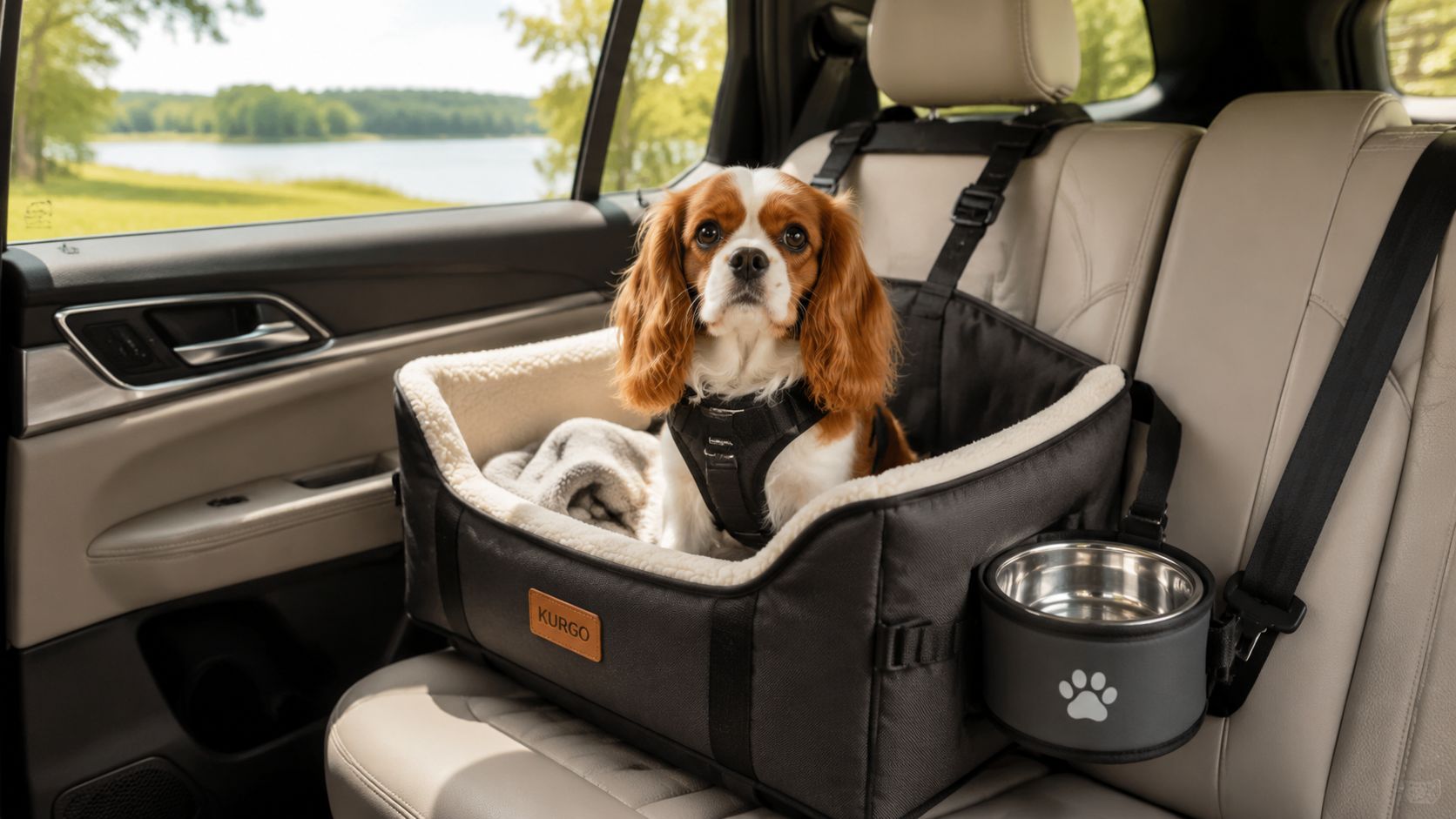
Build a repeatable travel routine
Dogs handle car rides better when the process feels familiar. Load the dog the same way each time. Use the same harness. Secure the seat in the same order. Keep the interior temperature controlled before the dog enters the vehicle, especially in West Texas heat.
A few practical habits help:
- Exercise before longer rides so the dog boards with less restless energy.
- Use short practice trips before expecting calm behavior on a longer day.
- Keep water access organized for stops, not loose in the seat area.
- Avoid clutter around the restraint that can shift into the dog's space.
- Plan grooming and travel together so a freshly cleaned dog doesn't ride home in soiled gear.
Owners who want a broader travel routine can review Glo More Grooming's guide on how to travel with your dog.
Placement and airbag awareness
Seat position is part of comfort and part of safety. Guidance from PupSaver's front-seat and back-seat discussion highlights an important detail: the back seat is generally advised, but some specialized products are designed for front-seat use even with airbag deployment. That means placement should never be based on convenience alone. It should be based on what the manufacturer specifically allows.
For everyday owners, the practical takeaway is straightforward. If you haven't confirmed front-seat compatibility, don't improvise it.
A dog should never ride in a position simply because it keeps them close to your hand. Safe access for the owner is not the same thing as safe placement for the pet.
Clean gear like it's safety equipment
Restraints collect hair, skin oils, drool, dirt, and odor fast. That buildup does more than make the car smell rough. It hides wear points, weakens your willingness to use the gear consistently, and lowers the standard of care.
Use a disciplined maintenance routine:
- Vacuum and wipe down weekly if the dog rides often.
- Inspect seams, clips, and straps during cleaning.
- Wash removable covers promptly after muddy or heavy-shed trips.
- Dry everything fully before reinstalling.
- Retire damaged gear early instead of stretching one more season out of it.
That mindset matches what people look for in affordable grooming promo events and regular coat care alike. A good routine isn't only about appearance. It protects the dog's comfort, hygiene, and consistency.
Travel with Confidence and Professional Care
Safe canine travel comes down to a few rules that don't change. Restrain the dog properly. Match the product to the dog's size and behavior. Install it with discipline. Recheck it every trip. Keep the gear clean enough that you can spot wear before it becomes failure.
Owners get into trouble when they treat car travel casually because the route is short. Short drives still include intersections, hard stops, distracted drivers, and unexpected movement. The distance doesn't reduce the need for a system.
That's one reason standards matter so much in local pet care. If you're booking El Paso dog grooming, coordinating transport around a workday, or balancing multiple stops in one run, the safest outcome comes from routines that are repeatable under pressure. Chains tend to process volume. A one-on-one operation can maintain tighter handling standards and clearer accountability.
For owners who need travel support beyond DIY setup, one option is Glo More Grooming's pet transportation concierge service, which includes coordinated pet travel support by car or air. That's useful when the challenge isn't just choosing car seats for dogs, but managing the entire movement plan with consistency.
A veteran-owned business should operate with structure, pride, and follow-through. Pet care deserves that same standard. Not because it sounds premium, but because animals depend on people to do the careful work they can't do for themselves.
El Paso pet owners know the difference between rushed service and intentional care. The same goes for grooming. Clean coat work, controlled handling, and calm scheduling all support better travel outcomes. Monthly routines like Snip & Style Saturday also help owners stay proactive, not reactive, about their dog's condition and readiness for transport.
The goal isn't to make every car ride complicated. It's to make every car ride controlled.
Ready for disciplined, one-on-one pet care that treats safety and presentation with equal respect? Glo More Grooming offers premium pet grooming in El Paso with a calm, high-standard approach rooted in veteran-owned grooming values. If you want polished coat care, clear workflow, and support that fits real life, book now, reserve your affordable grooming promo spot for Snip & Style Saturday, or contact the team to ask about concierge travel support.