
Your dog keeps scratching after bath day. The coat looks clean, but the skin underneath looks angry, dry, or pink, and now you're second-guessing the shampoo bottle sitting by the tub. That's a familiar problem for dog owners in El Paso, especially when dust, dry air, and seasonal triggers keep skin issues simmering in the background.
A lot of pet parents assume they just need a “gentle” label, an oatmeal formula, or more frequent washing. In practice, sensitive skin dog shampoo is only part of the answer. Product choice matters, but so do bathing technique, rinse quality, drying method, and whether the dog's skin issue is simple dryness or something driven by environmental allergies. Premium pet grooming isn't about making a coat look pretty for a day. It's about protecting the skin barrier so the dog is comfortable after the bath, not worse.
Your Dog's Comfort Is Our Mission
A worried owner usually notices the same pattern first. Their dog rubs along the couch after a bath, chews at the paws later that evening, or wakes up scratching the neck and shoulders. The shampoo wasn't meant to hurt. It was bought because the label said soothing, natural, or sensitive skin.
That's where many dogs get stuck. Owners do the responsible thing, but the result still isn't right because the advice they were given was too broad. A dry-skinned dog and an allergy-prone dog can look similar at a glance, yet they often need different handling. Good grooming starts with that distinction.
What careful owners usually notice first
Some signs are obvious. Redness, flakes, and a rough coat tend to stand out quickly. Other signs are quieter and easier to miss, especially in busy households where a dog's discomfort shows up as “restlessness” before it shows up as visible irritation.
Common early clues include:
- Post-bath scratching: The dog seems more uncomfortable after washing than before.
- Repeated licking: Paws, belly, and inner legs get attention over and over.
- Dull finish to the coat: Clean fur still looks flat or feels brittle.
- Touch sensitivity: The dog pulls away when certain areas are rubbed or dried.
Practical rule: If a bath consistently leaves your dog itchier, the routine needs to change. Don't assume the shampoo is helping just because it's marketed as gentle.
Why premium grooming standards matter
Disciplined workflow changes outcomes. A rushed wash can leave residue behind, overwork already irritated skin, and trap moisture in thick coat layers. A premium approach slows that process down. It favors calm handling, thoughtful product choice, and a finish that supports skin recovery instead of undermining it.
That matters in El Paso dog grooming, where dogs often deal with a mix of dry conditions, outdoor exposure, and seasonal irritants. Owners need more than a bottle recommendation. They need a method that works in practice and keeps working between appointments.
Recognizing the Signs of Sensitive Skin in Dogs
Sensitive skin doesn't always look dramatic. Sometimes it's a full flare with visible redness. Sometimes it's a dog who seems fine until bath day, then spends the next day scratching the same spots.

What to look for on the skin and coat
Check your dog in natural light before and after bathing. Part the coat with your fingers and inspect the skin directly. Don't rely on the topcoat alone.
Watch for:
- Red or pink areas: Often seen on the belly, armpits, groin, neck, and base of the tail.
- Flaking or dandruff-like debris: This can show up along the back or collect near the hips.
- Greasy patches or sticky coat texture: Irritated skin doesn't always turn dry. Some dogs produce more oil when the barrier is stressed.
- Rough or lifeless coat: The fur may feel stripped instead of soft.
- Localized thinning: Repeated rubbing or licking can wear the coat down.
What behavior says before the skin does
A dog often tells you there's a problem before the skin shows a severe reaction. Behavior is part of the diagnosis at home.
Pay attention to:
- Scratching after the bath
- Licking paws or lower legs
- Scooting or rubbing against furniture
- Head shaking after product contact
- Restlessness during drying
One or two of these signs once in a while may not mean much. A repeating pattern usually does.
A dog with sensitive skin often reacts to the whole routine, not just the shampoo. Water temperature, contact time, residue, and drying pressure all matter.
Why El Paso dogs can be harder to keep comfortable
Local conditions shape skin health. Dust, dry air, wind, and time outdoors can leave the skin barrier under strain even before shampoo touches the coat. That's why a routine that seemed fine in one season may suddenly stop working.
For local owners, these care habits help:
- Brush before bathing: Mats and packed undercoat hold debris and make rinsing harder.
- Avoid overbathing: More washing isn't automatically better if the skin is already reactive.
- Check paws and belly after walks: These areas collect outdoor irritants quickly.
- Track flare patterns: If the dog worsens after windy days or yard time, environmental triggers may be involved.
Dogs in the region often need a routine that's less about fragrance and more about restraint. Cleaner isn't always healthier if the skin barrier pays the price.
Decoding Shampoo Ingredients Safe vs Harmful
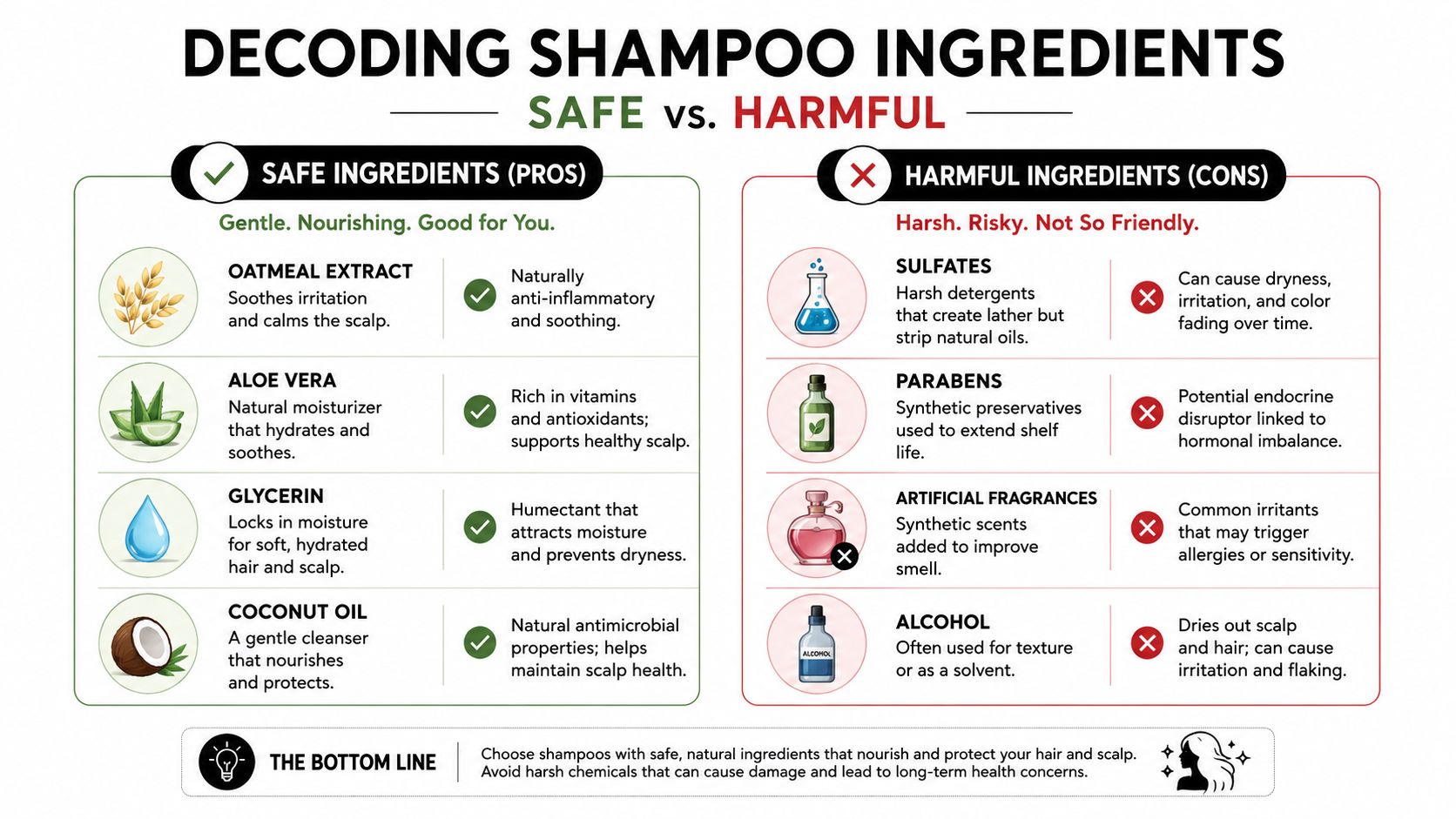
Shampoo labels reward fast reading and poor decisions. Words like soothing, botanical, clean, and gentle sound reassuring, but they don't tell you whether the formula respects a dog's skin barrier. For sensitive dogs, the label matters less than what the ingredients do during the bath.
The ingredient problem most owners miss
A major blind spot in mainstream advice is the link between high suds and irritation. 4-Legger's discussion of dog shampoo ingredient red flags specifically identifies “Excessive Suds and Foam” and “Harsh Surfactants” as primary irritants for sensitive skin. That matters because many owners still judge shampoo quality by how much it lathers.
More foam doesn't mean better cleaning. In many cases, it means the formula is more aggressive at stripping oils from the skin and coat. A dog can come out of the bath squeaky clean and physically worse off.
Safe choices are context-dependent
Some ingredients have a good reputation for a reason. Moisture-supportive and low-irritation formulas can help dogs whose issue is straightforward dryness or mild sensitivity. But context matters.
Use this simple breakdown when reading labels:
| Ingredient profile | Better fit | Use caution when |
|---|---|---|
| Low-fragrance, low-suds cleansers | Dogs with general sensitivity | The dog reacts to almost any new product |
| Moisture-supportive ingredients | Dry skin and dull coat | The skin is already inflamed or broken |
| Oatmeal-based formulas | Simple dryness and mild itch | The dog may have environmental allergies |
The biggest myth in this category is oatmeal. The common advice that oatmeal shampoos are universally beneficial for sensitive skin is flawed for dogs with environmental allergies. A Reddit discussion from dog owners dealing with irritation highlights that oatmeal can worsen irritation in those cases. Owners aren't always warned to stop using oatmeal when the dog's issue is environmental sensitivity rather than plain dry skin.
That doesn't make oatmeal bad across the board. It means it isn't automatic.
What to avoid on principle
You don't need a chemistry degree to shop smarter. In a premium pet grooming routine, the standard is simple. Don't choose products that make the skin work harder after the bath.
Red flags include:
- Heavy foam: If the shampoo explodes into suds with minimal product, be cautious.
- Strong perfume smell: Fragrance can make a formula feel premium while the skin disagrees.
- Harsh cleansing feel: If the coat feels stripped instead of conditioned after rinsing, the formula may be too aggressive.
- Marketing without clarity: If the label says gentle but doesn't tell you much else, don't give it blind trust.
For owners who want a deeper look at product selection, this guide to good shampoo for dogs is a useful next step.
The best shampoo for a sensitive dog is the one that leaves the skin calmer after the bath than before it. Marketing language doesn't earn that result. Formula performance does.
Choosing The Right Shampoo Type for Your Dog
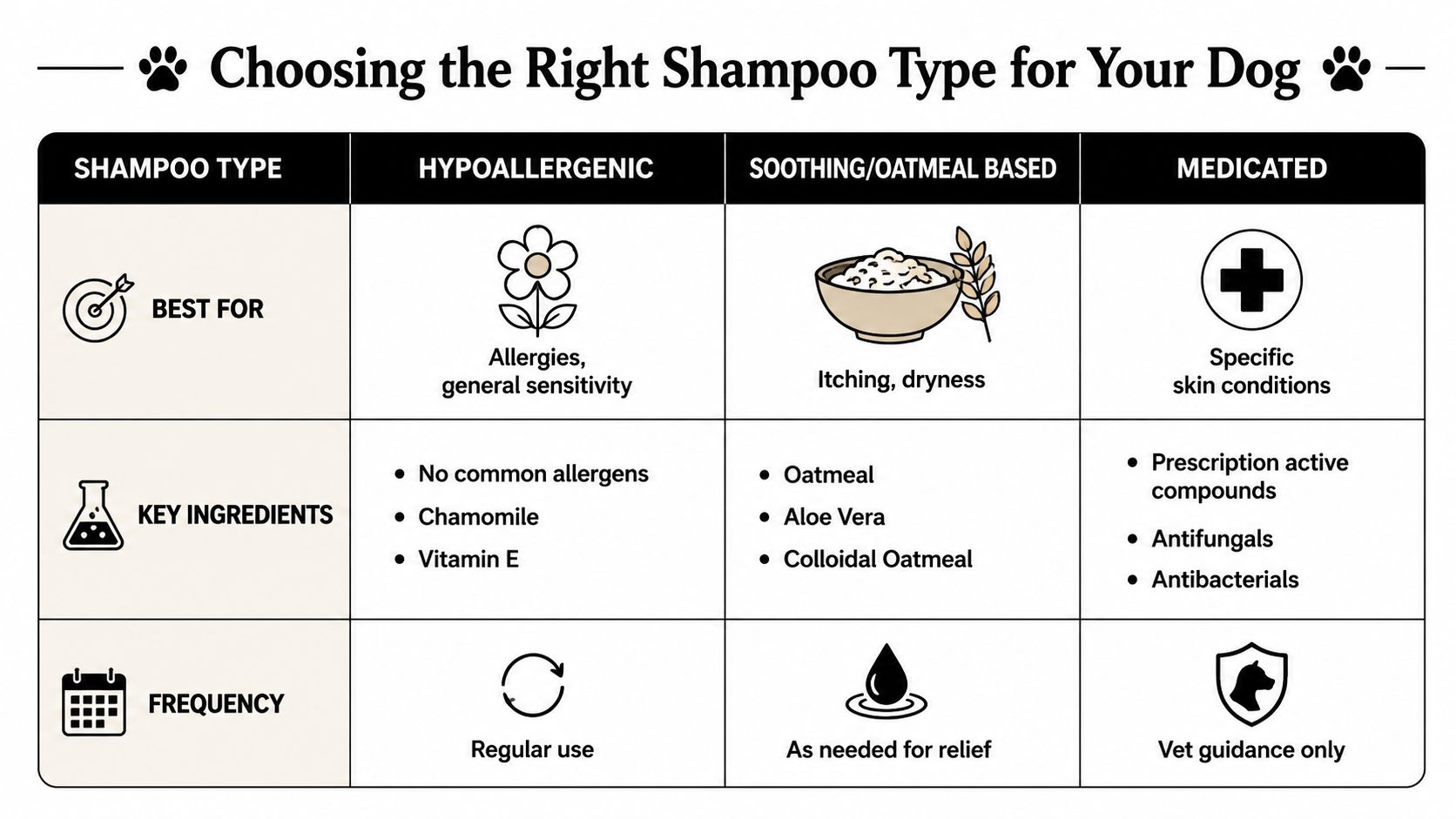
Picking the right category matters more than chasing the fanciest label. Most sensitive skin shampoos fall into a few practical groups, and each one solves a different problem. If you match the shampoo type to the dog's actual pattern of irritation, you reduce guesswork fast.
The three categories that matter most
Here's the quick comparison owners need:
| Shampoo type | Best use case | Watch-out |
|---|---|---|
| Hypoallergenic | General sensitivity, dogs that react to many products | Doesn't solve every itch if the trigger is environmental |
| Soothing or oatmeal-based | Mild dryness, surface irritation, rough coat | Not ideal for every allergy-prone dog |
| Medicated | Specific skin conditions under veterinary direction | Shouldn't be used casually or swapped in without guidance |
Hypoallergenic shampoo is often the safest starting point when your dog has a history of reacting to grooming products. These formulas usually aim to reduce common irritants and keep the cleanse plain, which is often exactly what sensitive skin needs.
Soothing shampoo, including oatmeal options, can work well when the issue is dryness or mild itch without a clear allergy pattern. Owners must exercise judgment. If oatmeal has already seemed to make things worse, don't keep forcing it.
When a medicated product makes sense
Medicated shampoos have a place, but they aren't a universal upgrade. If your dog has recurring skin trouble, open sores, odor, or severe flare-ups, a medicated wash may be part of the answer. It should be chosen with purpose, not because the bottle sounds stronger.
This video gives a useful visual overview for owners comparing options:
A simple match-up for owners
Use this decision guide at home:
- Your dog gets dry and flaky in between baths: Start with a hypoallergenic or simple soothing formula.
- Your dog gets itchier after oatmeal shampoos: Move away from oatmeal and reassess the trigger.
- Your dog has recurring allergic-looking irritation: Use a product selected for allergy-prone skin and keep the rest of the routine controlled.
- Your dog has sores, odor, or obvious skin damage: Stop experimenting and involve a veterinarian.
If allergies are part of the picture, this resource on dog shampoo for allergies can help narrow the field.
A good sensitive skin dog shampoo doesn't work in isolation. The category has to fit the dog, and the technique has to support the product.
The Professional Bathing Technique for Sensitive Skin
Product choice gets too much credit. Technique decides whether that product helps or harms. Owners often buy a better shampoo but keep the same rushed bath routine, then wonder why the irritation stays.
In disciplined grooming environments, the bath is a controlled process. In El Paso's premium mobile space, Luxetail highlights two deep shampoo washes selected for coat type in its service approach on its Instagram profile. That detail reflects a broader truth in premium workflow. One-on-one care, a limited number of dogs on site, and coat-specific handling produce a very different result from assembly-line bathing at a chain salon.
Step one through step three
Sensitive skin dogs benefit from slower preparation before the shampoo ever goes on.
Brush and de-shed first
Loose coat, trapped dirt, and small tangles interfere with even wetting and complete rinsing. If the coat is packed, shampoo sits unevenly and residue is harder to remove.Use lukewarm water
Water that feels hot to your hand is often too warm for irritated canine skin. Lukewarm water cleans effectively without intensifying inflammation.Dilute and distribute carefully
Don't dump concentrated shampoo onto one patch of coat. Work it through methodically so the skin isn't overloaded in one area.
Why the double-wash method works
The first wash breaks through surface grime, oils, and debris. The second wash is the one that lets the shampoo do its intended job on a cleaner coat. That's why premium groomers often use a two-step bath instead of one quick scrub.
The key is restraint. A double wash doesn't mean aggressive scrubbing twice. It means controlled cleansing with a cleaner starting point on the second pass.
Shop-floor advice: Massage with your fingertips, not your nails. Sensitive skin doesn't need force. It needs even contact and a complete rinse.
The rinse and dry phase most owners underestimate
A poor rinse can undo an excellent shampoo choice. Residue left in the armpits, groin, neck folds, feathering, or undercoat often shows up later as scratching, licking, or tacky skin.
Use this rinse checklist:
- Lift dense coat sections: Water has to reach the skin, not just skim the top.
- Keep rinsing after you think you're done: Sensitive dogs often react to leftover product, not just the formula itself.
- Check friction zones: Collar area, chest, elbows, and paws hold residue easily.
Drying matters just as much. Air-drying sounds gentle, but lingering dampness can irritate skin and create musty coat issues. Towel pressure should be light, and blow drying should be controlled, never blasting one sensitive area for too long. Owners who need help with that phase can review this guide on whether you should blow dry your dog after a bath.
What home baths usually get wrong
Home care often breaks down in a few predictable places:
- Too much product
- Too much scrubbing
- Too little rinsing
- Drying the surface while the undercoat stays damp
That's why veteran-owned grooming standards and disciplined workflow matter in premium care. The difference isn't a fancier bottle on the shelf. It's the consistency of the process from prep through finish.
When to Trust a Professional El Paso Groomer
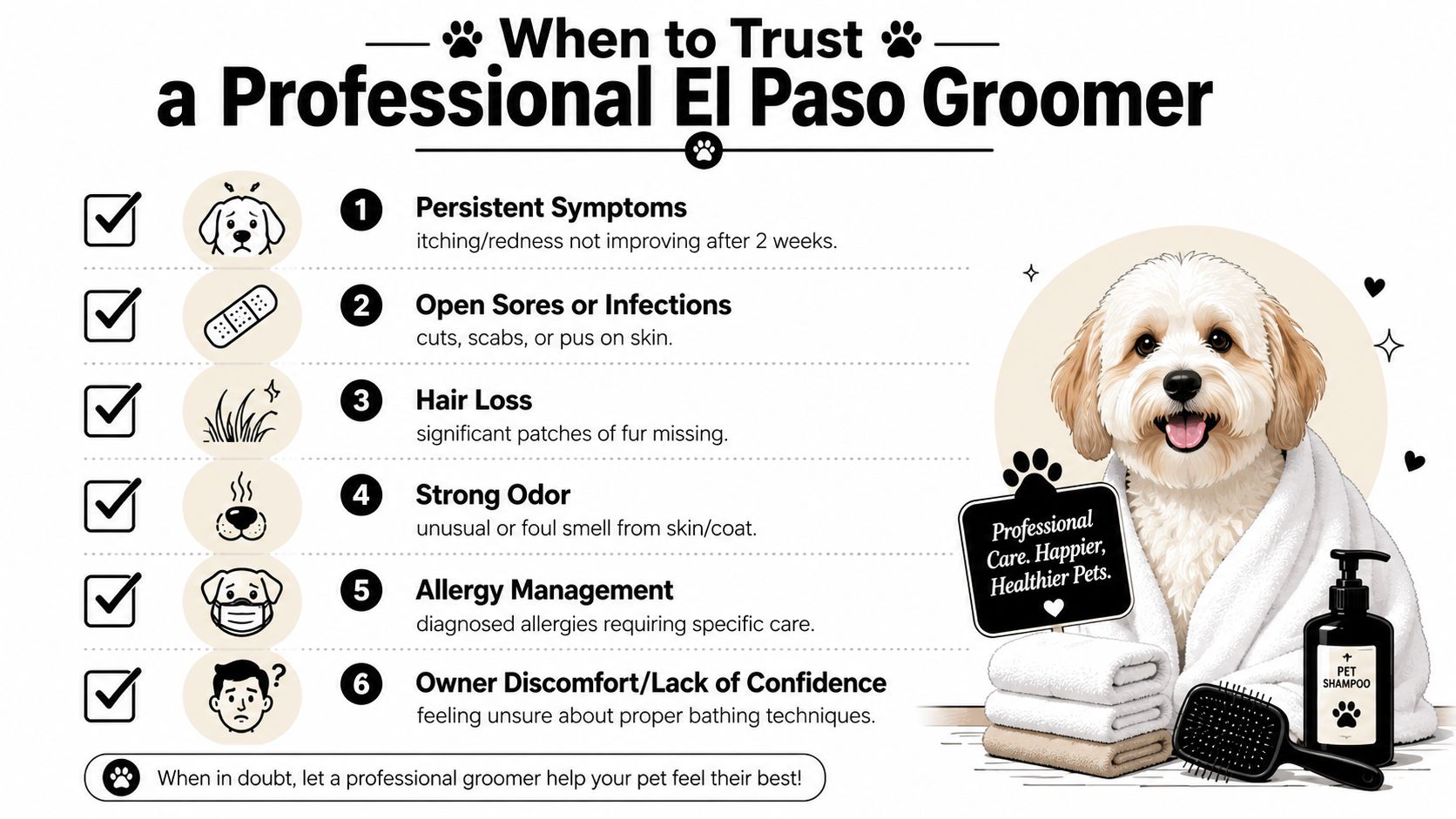
Some dogs can be managed well at home. Others need experienced hands because the issue isn't just cleanliness. It's skin condition, coat handling, safety, and judgment.
The local standard matters
In El Paso, the baseline for professional accountability changed when the city became the first in Texas to require dog groomer certification, licensing, formal training, and background checks, effective January 1, 2021, while also requiring injury and death reporting and owner observation areas during grooming, as reported by KFOX on the El Paso grooming ordinance.
That matters for owners choosing between quick convenience and real oversight. Sensitive skin dogs don't do well in rushed, high-volume environments where every pet gets nearly the same bath routine.
Signs it's time to hand the job over
You should trust a professional groomer when the issue moves beyond a simple bath need.
- Persistent flare-ups: The dog keeps reacting despite product changes.
- Heavy coat management needs: Thick, double, curly, or impacted coats are hard to rinse fully at home.
- Stress during handling: Some dogs panic during drying, nail work, or restraint.
- You don't trust the result: If every home bath ends with more scratching, that's useful information.
If a dog's skin keeps getting worse after “gentle” home care, the routine is no longer gentle in practice.
Premium care versus chain convenience
Chains compete on volume and entry pricing. In El Paso, Petco advertises grooming promotions including $22 Bath Only and $38 Bath & Haircut starting prices. That model works for some owners, but sensitive skin dogs often need more time, more observation, and more individualized handling than a chain workflow is built to provide.
Independent studios with disciplined scheduling can offer something chains usually don't. Calm pacing, one-on-one attention, and a more accountable bath process. That's the difference between a quick service and premium pet grooming.
For families balancing quality with budget, a once-monthly affordable grooming promo like Snip & Style Saturday can make full-service care easier to access. A full groom at $55 for all sizes creates a strong local alternative for owners who want better oversight without giving up value. That kind of pricing discipline respects both the pet and the household budget.
A Commitment to Your Pet's Comfort and Wellness
Sensitive skin care comes down to judgment. You need to recognize the pattern, choose the right shampoo category, avoid ingredient traps, and handle the bath with enough discipline that the dog finishes cleaner and calmer. That is the standard.
For El Paso pet owners, the details matter even more. Dry conditions, outdoor exposure, and seasonal irritants can push a dog's skin into a cycle that won't improve with random product swapping. Better outcomes usually come from a tighter routine, fewer assumptions, and higher handling standards.
That's also why El Paso dog grooming shouldn't be treated like a commodity. Dogs with delicate skin benefit from consistency, patience, and one-on-one care. Owners benefit from working with professionals who take the long view, not the fast appointment. That's the strength of independent, veteran-owned grooming done with pride, discipline, and ownership.
If your dog has been itchy after bath day, don't keep guessing. Adjust the routine, simplify the product choices, and get help when the signs say it's time.
For calm, one-on-one premium pet grooming in El Paso, book with Glo More Grooming. If you want a higher standard of care for a sensitive dog, need a trusted affordable grooming promo like Snip & Style Saturday, or want concierge-level support from a veteran-owned grooming studio built for long-term care, reserve your spot now or contact Glo More Grooming today.