
You're standing in the pet food aisle, holding a bag that says “small breed,” staring at another that says “complete and balanced,” and wondering whether any of this matters for your little dog. That confusion is common, especially when your companion looks healthy enough one week and then shows dry skin, a dull coat, tear staining, or inconsistent energy the next. Owners often notice those problems first on the grooming table, not in the food bowl.
For small dogs, feeding isn't just maintenance. It's part of the standard of care. A silky coat, calm skin, cleaner feet, better texture through the top line, and less flaking during a brush-out all start long before shampoo touches the coat. That's one reason serious El Paso dog grooming can't be separated from nutrition.
At a disciplined studio, you learn quickly that coat quality reflects routine. Dogs that eat well, stay on a stable schedule, and get consistent maintenance usually groom better, feel better, and carry that polished look longer between appointments. That's the difference between surface-level cleanup and premium pet grooming built around long-term results.
Fueling Your Companion with Purpose and Pride
A client sets a seven-pound dog on my table, and the same pattern shows up again. The coat feels dry along the back, the skin is touchy, and the owner says the dog acts hungry an hour after eating. The food bag says “small breed,” but the results on the dog say the feeding plan needs work.
That is the gap big-box stores rarely solve. Shelf claims can sell convenience, but they do not tell you how a diet is showing up in the coat, on the skin, or during a full groom. At Glo More Grooming, food is part of the care standard because a polished finish starts long before the bath, dryer, and brush-out.
Small dogs need a feeding approach with more precision. Portion mistakes show faster. Ingredient quality shows faster. Routine changes show faster. If a dog also deals with stomach upset, owners usually need to tighten up both food choice and consistency, not keep rotating through trendy formulas. Our guide to dog food for dogs with sensitive stomachs covers that problem in more detail.
What owners usually get wrong
The most common mistake is treating a tiny dog like a simple dog. Small body size does not make nutrition easier. It makes the margin for error smaller.
I see three problems often:
- Buying by packaging instead of performance: Terms on the front of the bag matter less than how the dog maintains weight, digestion, skin comfort, and coat texture.
- Feeding by guesswork: A little extra for a small dog can become too much quickly, especially with treats mixed in.
- Ignoring early coat feedback: Dullness, flaking, excess oil, thinning, and persistent irritation often show up before owners realize the diet is off.
A beautiful coat usually comes from steady habits. Good food, correct portions, and consistent maintenance leave a signature you can see and feel.
That mindset fits the way a veteran-owned studio should operate. Clear standards. Honest assessment. No shortcuts. In one-on-one grooming, nutrition is part of the job because the final result depends on more than what happens in the salon.
The Unique Nutritional Needs of Small Dogs
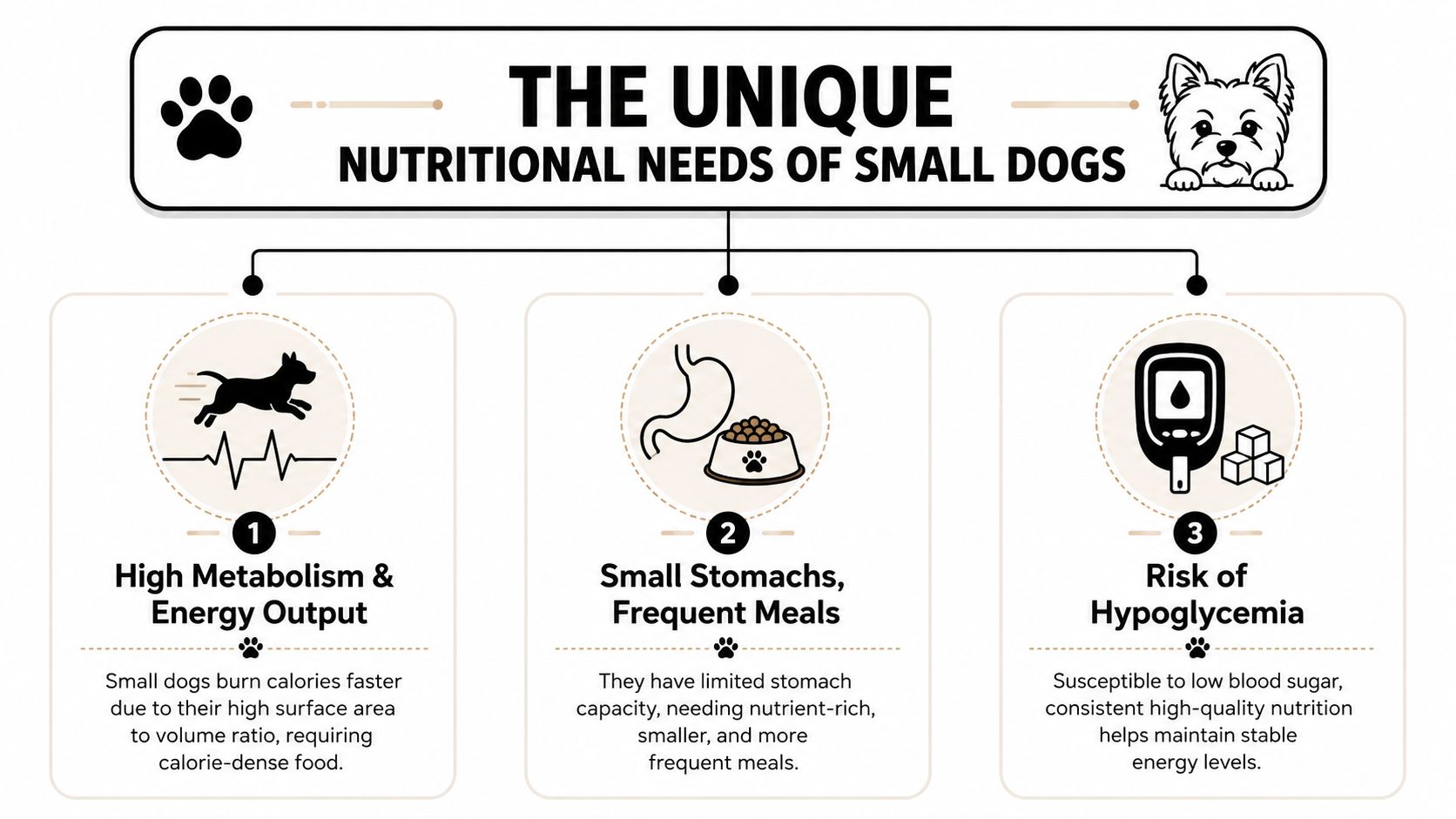
A Yorkie that arrives for grooming with a dull coat, dry flakes around the shoulders, and loose stools often does not need a new shampoo first. It often needs a closer look at the bowl. Small dogs burn energy fast, carry very little reserve, and have no room for sloppy feeding decisions.
Veterinary nutrition guidance from the Purina Institute's discussion of small-breed dog food notes that small-breed diets are often made more energy-dense because toy and small dogs have higher metabolic rates and smaller stomachs. In practice, that means food has to do more work in a smaller serving. At Glo More Grooming, that connection shows up on the table. Dogs fed well from the inside usually carry better skin comfort, cleaner coat texture, and more consistent condition between appointments.
Why small size changes everything
Small size changes how a food performs day to day. The dog may eat only a modest amount, so weak digestibility, oversized kibble, or poor nutrient density can show up quickly in stool quality, energy, skin condition, and coat finish.
Three pressure points matter most:
- Fast energy turnover: Small dogs use calories quickly, so food quality and meal timing carry more weight.
- Limited stomach capacity: They cannot comfortably eat large meals to make up for a weak formula.
- Tighter margin for error: A small overfeed, underfeed, or treat habit can throw off body condition faster than owners expect.
Core concept: For small dogs, better feeding usually means more nutrition in less volume, not a bigger scoop.
That is why small-breed formulas often work better when they pair concentrated calories with strong digestibility and kibble size the dog can handle comfortably. This is especially relevant for dogs with inconsistent stools, picky eating, or a sensitive stomach. If that pattern sounds familiar, our guide to dog food for dogs with sensitive stomachs can help you sort out formula fit with more discipline.
What this looks like in daily life
Most adult small dogs do better with measured, structured meals instead of one heavy feeding. Puppies usually need even closer scheduling. The goal is steady energy, steady digestion, and enough nutrient intake without overloading a very small stomach.
Owners usually notice the same warning signs when the plan is off. The dog acts picky, eats too fast, vomits after meals, swings between high energy and a crash, or never develops the soft, full coat that premium care should produce. Big-box stores tend to treat food as a shelf decision. In real grooming work, the better standard considers the dog's overall well-being. The coat tells the truth about what the body is getting.
How to Read a Dog Food Label Like an Expert
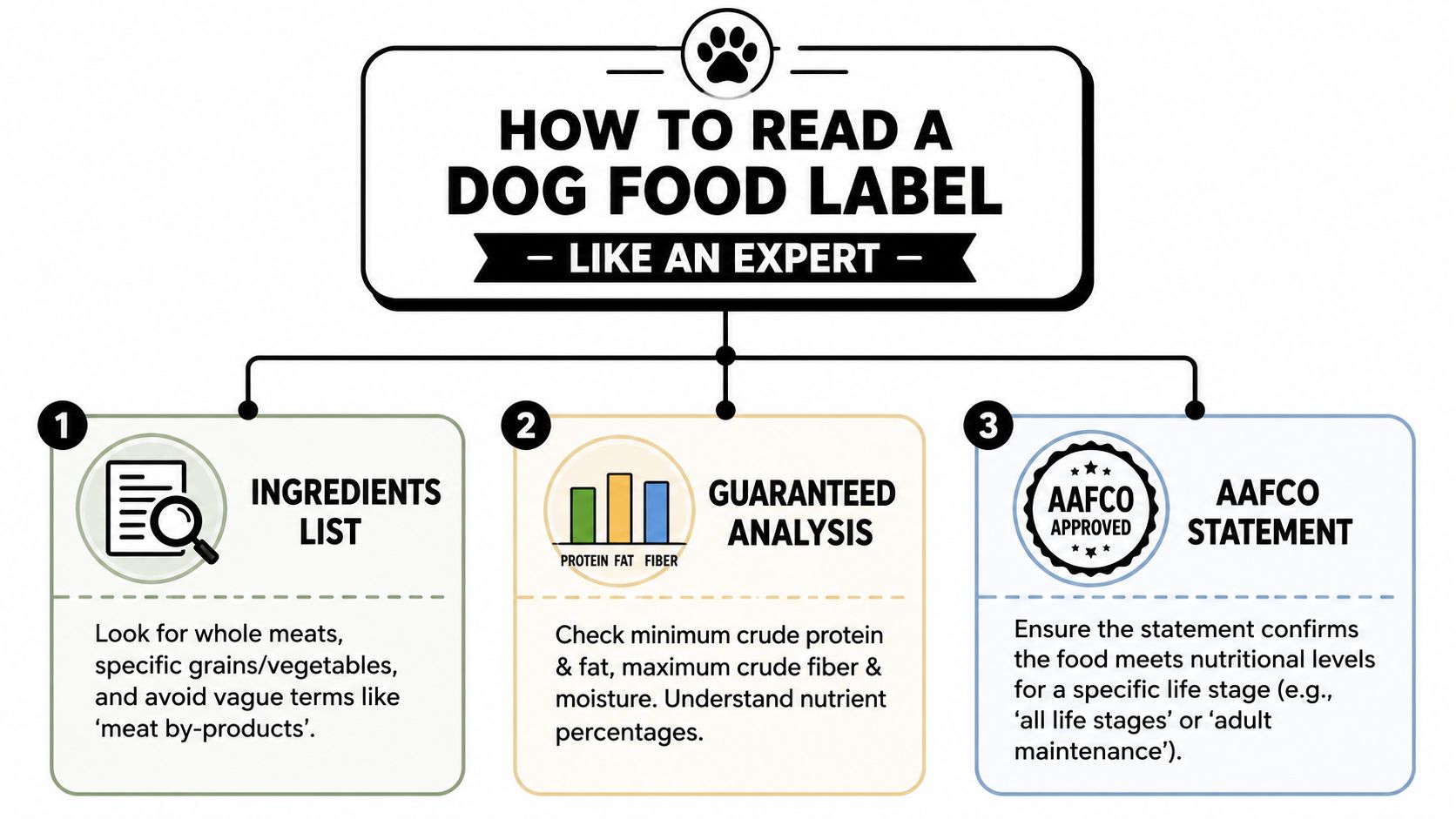
Most dog food bags are built to sell emotion first. The front panel gives you pretty language, lifestyle imagery, and claims about shine, vitality, or wholesome ingredients. The back panel tells you far more.
Start with the nutritional adequacy statement
Look for the statement that tells you whether the food is complete and balanced for a life stage. That phrase matters more than flashy wording on the package front. If the food doesn't clearly identify itself as nutritionally adequate for your dog's stage of life, keep moving.
That single line helps separate a daily diet from a product that may work better as a topper, treat, or occasional option.
Check the numbers that matter
For puppies and reproduction, nutrient targets are substantially higher than adult maintenance. The Merck Veterinary Manual on nutritional requirements of small animals reports that puppy or reproduction diets should contain at least 22.5% protein on a dry-matter basis, while adult dogs require at least 18%. It also notes that most puppy diets contain 8%–20% fat, while adult foods commonly contain 5%–15% fat, and the optimal calcium to phosphorus ratio is about 1.2–1.4:1.
That gives you a practical filter. If you're feeding a small-breed puppy, don't guess. Use a food that's built for growth, not adult maintenance.
Here's a simple way to scan a label:
| Label area | What to look for | Why it matters |
|---|---|---|
| Nutritional statement | “Complete and balanced” for the right life stage | Confirms the food is meant as a primary diet |
| Protein and fat | Enough support for growth or maintenance based on life stage | Small dogs need concentrated nutrition |
| Mineral balance | Appropriate calcium and phosphorus balance for growth | Supports sound development in puppies |
This short video gives a useful visual on label reading and ingredient review.
Ignore marketing drama and read for function
Ingredient lists can still be useful, but they're often overinterpreted. Owners get distracted by trendy words and miss the basics. A better question is whether the food fits the dog's life stage, mouth size, digestion, and energy needs.
If the bag sounds impressive but your dog's stool, skin, coat, or appetite say otherwise, trust the dog over the copywriting.
That's where experienced handling helps. Retail chains often leave owners alone in the aisle with labels and guesswork. A disciplined care standard pays attention to what the dog is showing you in real life.
Adapting Diets for Life Stage and Health
A Chihuahua puppy, an adult Yorkie, and an older Shih Tzu should not be fed as if they're living the same season of life. Owners who use one food forever often run into preventable problems. The dog gains weight, loses coat quality, develops feeding sensitivity, or starts struggling with texture and chewing.
Puppies need a tighter schedule
Toy breeds and very small puppies can't coast on a casual feeding plan. Veterinary guidance notes that toy breeds may need calorie-dense food fed four to six times a day to reduce hypoglycemia risk, according to the AKC's small-breed dog food guidance. That's a practical issue, not a niche one.
For tiny puppies, missed meals matter. Delayed feeding can show up fast as weakness, shakiness, poor energy, or inconsistent appetite. Owners who want structure should keep meals scheduled, measured, and boringly consistent.
Adults need control, not excess
Adult small dogs often look like they need more food than they do because many are active, vocal, and enthusiastic eaters. That's where overfeeding starts. A small dog can be undernourished on poor-quality food or overweight on too much good food. Both show up on the coat and skin.
A practical adult plan usually includes:
- Steady meal timing: Regular meals help avoid random snacking and portion creep.
- Attention to texture: Some small dogs do better with softened kibble, wet food, or mixed feeding when chewing is uncomfortable.
- Weight awareness: If your dog is carrying extra body fat, the “small breed” label alone won't fix it.
Seniors and sensitive dogs need a different lens
Older small dogs often need more thoughtful feeding because appetite, chewing comfort, and activity all shift. Some need easier texture. Some need fewer calories. Others need a formula that's gentler on digestion.
El Paso's dry climate adds another layer. Dry air can make skin look rougher and flaky faster, especially when a dog is already eating a diet that doesn't support strong skin condition. Food won't solve every skin issue, but poor nutrition can make environmental stress harder to manage.
Owners should also pay attention to dental comfort. If a dog has mouth sensitivity, the “right” food may be the one the dog can eat comfortably and consistently while still meeting nutritional needs. That's a smarter standard than buying based on breed label alone.
How Diet Creates a Premium Grooming Outcome
A small dog comes in for a bath and tidy-up. The haircut is workable, but the coat reveals the underlying issue. It feels dry through the ends, the skin throws off fine flakes during the blow-dry, and the finish goes dull again a day or two after grooming. In my shop, that usually points back to daily nutrition, not just shampoo choice.
A polished groom starts long before the appointment. The bowl sets the baseline for coat strength, skin comfort, shedding pattern, and how well a dog holds a clean, soft finish.

What groomers notice first
Dogs on a well-matched diet often handle better on the table because the coat has more integrity. It dries more evenly, brushes out with less resistance, and responds better to finishing work. Owners usually notice the same thing at home. The coat stays cleaner-looking longer and is easier to maintain between appointments.
Common grooming signs of a better diet include:
- Stronger coat texture: Hair feels smoother, less fragile, and less likely to snap during brushing.
- Calmer skin condition: You may see fewer dry patches, less oil buildup, and less loose skin debris.
- More predictable upkeep: Brushing, combing, and routine bathing tend to go more smoothly.
Owners have also become more selective about food format and formula, as noted earlier. That shift makes sense. Small dogs often need food that is easy to chew, easy to digest, and consistent enough to support skin and coat condition over time.
Why this affects grooming standards
Top-shelf grooming products improve presentation, but they cannot cover for weak nutrition. A dog can leave the salon looking neat and still struggle with rough texture, poor regrowth, recurrent flakes, or coat that mats faster than it should.
That is one area where a close, hands-on grooming practice catches patterns that high-volume retail settings often miss. At Glo More Grooming, coat and skin condition are part of the assessment, not an afterthought. Repeated dryness, thinning feathering, heavy shedding, or a coat that never quite settles after service often signals that the food plan deserves a closer look.
The food bowl and the grooming table are connected. Ignore one, and the other has to work harder.
Owners who want a stronger coat often benefit from learning how protein quality fits into the bigger picture. This guide to high-protein dog foods for coat strength and body condition is a useful next step. Premium grooming is not just about the haircut. It is the result of daily care that supports healthy skin, sound coat growth, and a finish that looks as good a week later as it did when the dog walked out the door.
Your Action Plan for Confident Feeding
A small dog can look polished after a salon visit and still show the truth of the food bowl a week later. The coat feels flat. The skin starts flaking again. Feathering loses softness. That is why feeding needs a plan, not a guess.
Build the routine first
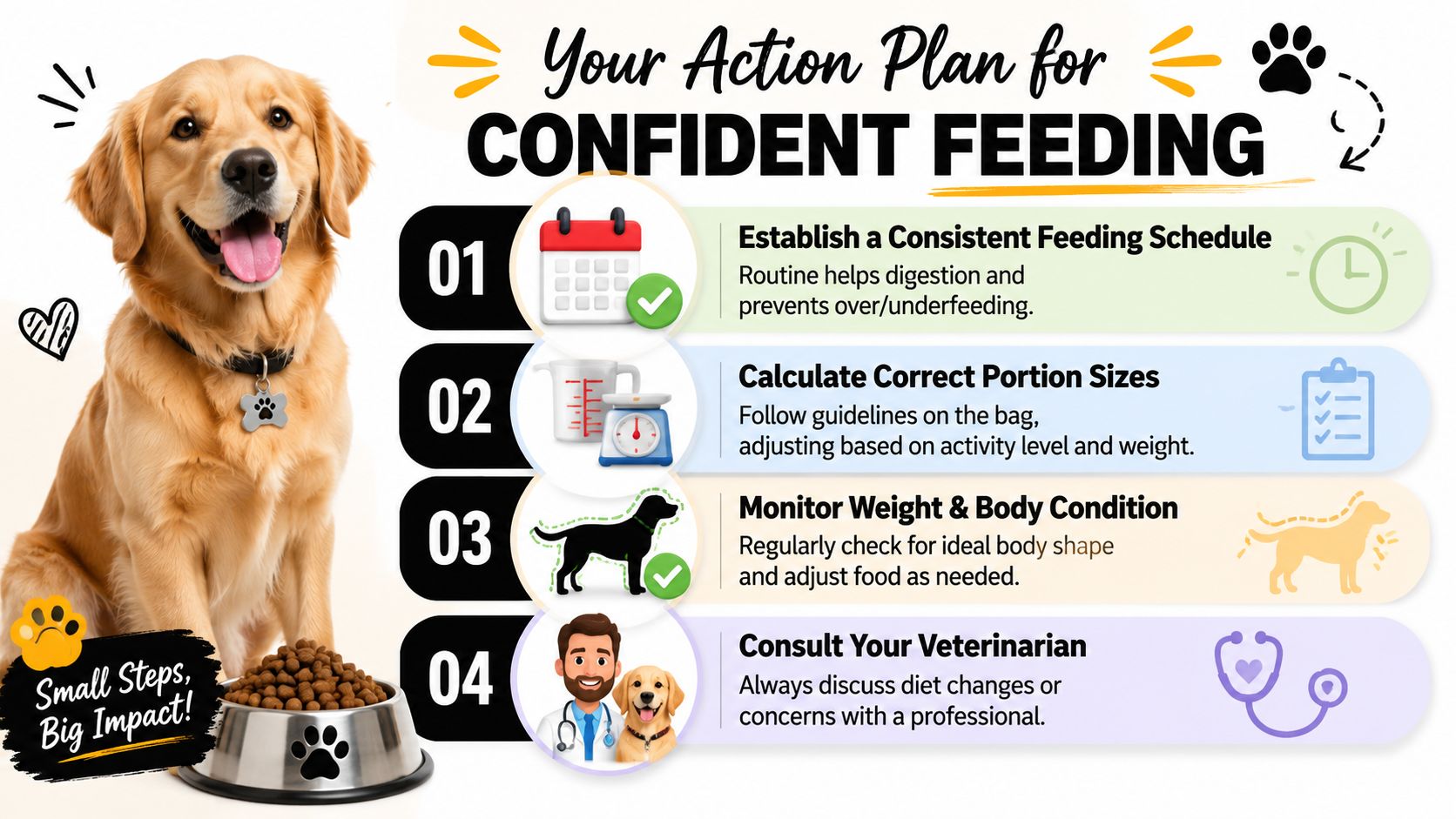
Small breeds do best with steady habits. Portion size is tight, appetite can be inconsistent, and even a minor feeding mistake shows up fast in body condition, stool quality, and coat performance. In the grooming room, those details are easy to spot.
Use a simple system you can repeat every day:
- Feed on a set schedule so meals stay predictable.
- Measure each portion instead of pouring by feel.
- Give any new food time and transition gradually.
- Track what you see in stool, skin, energy, and coat texture.
Eyeballing is where plenty of owners get into trouble. With a small dog, a little extra each day can push weight up faster than expected. Cutting too much can show up just as quickly through low energy, a dull coat, or slower recovery after a food change.
Use observation, not guesswork
The bowl gives one kind of feedback. The coat gives another.
If your dog eats eagerly but starts feeling greasy, the daily amount may be too high or the formula may be too rich. If the dog likes the food yet keeps scratching, licking paws, or developing dry patches, the ingredient profile may deserve a closer look. If stool quality slips after a switch, pay attention before the skin and coat follow.
Practical rule: Judge a food by what it produces over time. Look at body condition, skin comfort, shedding, coat texture, and how well the finish holds between appointments.
Budget matters, and disciplined owners look past the sticker price alone. A smaller bag with better digestibility and tighter portions can make more sense than a cheaper formula that leads to waste, overfeeding, or poor coat results. This guide to dog food cost over daily use helps break that down in a practical way.
In El Paso, dry air and busy schedules expose weak routines fast. Dogs that stay on a measured feeding plan usually maintain better skin comfort and a cleaner-looking finish between visits. At Glo More Grooming, that connection matters. Premium care does not stop at the bath, blowout, or trim. It includes the daily feeding habits that help a small dog carry a healthier coat with pride.