
You notice it in the worst possible moment. Your dog starts scratching during the evening, you check the bedding, then you spot the telltale movement in the carpet near the baseboard. By bedtime, the whole house feels suspect. The dog bed. The rug. The sofa edge. The hallway runner.
A flea problem does that fast. It turns a comfortable home into a job site.
A common mistake is treating it like a single-product problem. They buy a powder, dust the carpet, vacuum once, and expect peace by morning. That usually isn't how this plays out. Fleas in carpet demand the same thing any stubborn hygiene issue demands. A disciplined workflow, clean execution, and follow-through.
That mindset matters in El Paso, where active dogs move between yards, patios, vehicles, and indoor spaces with ease. If you're using flea powder for carpet, you want a method that restores order, not one that creates more mess, stress, or false confidence.
A Disciplined Approach to a Flea-Free Home
A home flea issue feels personal because it is. Your pet is uncomfortable, your routine gets disrupted, and every soft surface starts to feel contaminated. The answer isn't panic. The answer is standards.
In professional pet care, standards solve problems. The same logic applies here. You don't attack fleas with random products and hope for the best. You use a sequence. You prepare the environment. You treat the right surfaces. You support the treatment with sanitation and pet care. Then you repeat the cleanup work long enough to break the cycle.
That disciplined approach is why veteran-owned businesses often handle care differently. The focus stays on order, consistency, and ownership. If the mission is a flea-free home, every step has to support that mission.
What a real flea situation usually looks like
Most owners don't discover fleas in some dramatic movie moment. They notice small signs that add up. More scratching than usual. Flea dirt near the tail base. A dog that seems restless on the rug it usually loves. Then they inspect the carpet edges and realize the issue isn't just on the dog anymore.
That's the point where a lot of generic advice falls apart. It treats the carpet like a passive surface. It isn't. Carpet holds debris, shelters developing flea stages, and makes shallow application almost useless.
Field mindset: Treat the carpet, the pet, and the routine together. If one part gets ignored, the infestation keeps a foothold.
A good starting point is learning the broader dog-side strategy before you touch the room itself. This veteran's guide to fleas and ticks on dogs gives that bigger-picture context.
Why one-and-done rarely works
The hard truth is simple. A clean-looking carpet can still support a continuing flea problem. Surface improvement isn't the same as control.
Older dust-style products mainly went after visible adults. Modern options are better, but even a better product won't compensate for rushed prep, weak coverage, untreated pet zones, or poor follow-up. If you're serious about getting results, think like a pro handling contamination control. Every room gets assessed. Every likely harboring area gets attention. Every claim on the label gets checked against how you'll use the product.
That mindset doesn't make the job glamorous. It makes it effective.
Mission Prep Securing Your Home for Treatment
Preparation decides whether flea powder for carpet performs like a tool or wastes your time. The most reliable workflow starts before the canister is opened.
Evidence-based guidance stresses a thorough vacuuming of all areas, especially seams, baseboards, and pet resting spots, and notes that many home treatments fail unless they're part of an integrated program with sanitation, pet treatment, and follow-up cleaning because pupae can keep emerging after the first application, as outlined by Modern Pest's flea removal guidance.
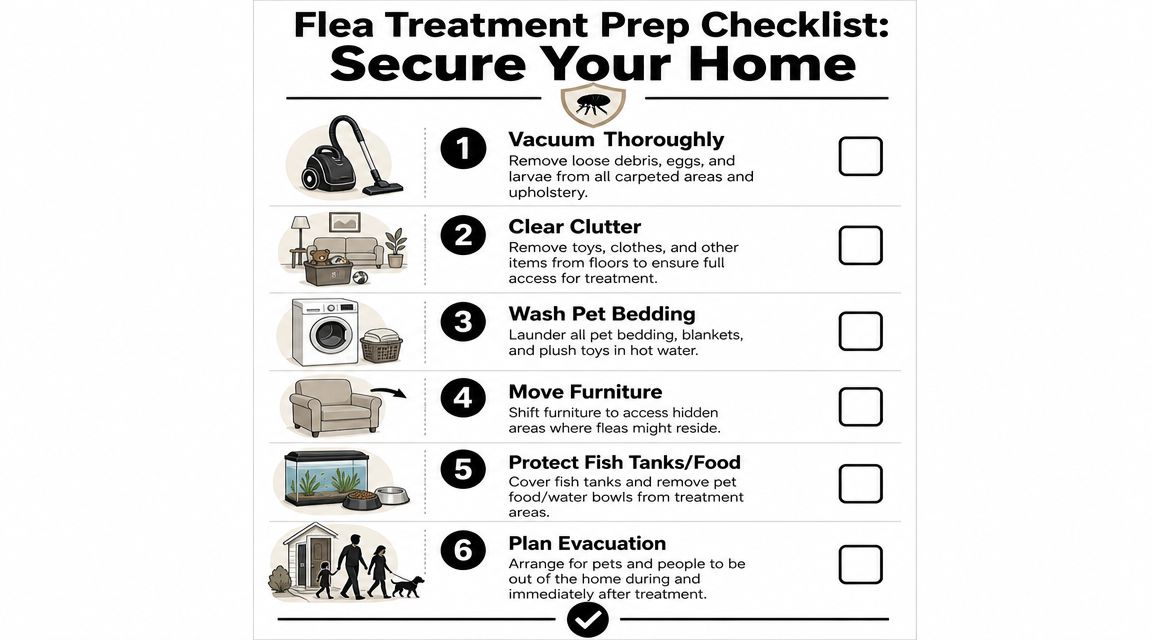
Clear the battlefield first
Before treatment, strip the room down so you can reach the carpet.
- Lift floor clutter: Shoes, laundry piles, dog toys, baskets, and loose gear block coverage.
- Expose hidden edges: Pull back what you can from walls and corners so seams and baseboards aren't left untreated.
- Remove food and water bowls: Keep feeding areas out of the treatment zone.
- Secure pets and people: Dogs, cats, children, and anyone sensitive to dust should be out of the work area.
If you also need to compare room-treatment formats, this guide to the best flea spray for home use can help you decide where powder fits and where it doesn't.
Vacuum like it matters, because it does
A casual pass through the middle of the room isn't prep. It's theater.
Vacuum the full carpeted surface, then slow down over seams, transitions, under furniture, around bed frames, along baseboards, and in the places your dog rests every day. Upholstered furniture matters too if your dog naps there. Fleas don't respect the border between carpet and couch.
Use attachments. Get into edges. Move deliberately.
Vacuuming before powder does two jobs. It removes loose debris and it opens up the carpet so treatment can reach deeper into the pile instead of sitting on top.
Handle fabrics and air flow before application
Wash pet bedding, blankets, and washable soft items before you treat the room. A treated carpet next to an infested dog blanket is how people end up thinking the product failed.
Then set the room up for safe work:
| Area | What to do |
|---|---|
| Ventilation | Open windows if the label allows and keep air moving |
| Personal protection | Wear gloves and a mask when handling powder |
| Room access | Plan how long the room will stay unused |
| Vacuum readiness | Make sure your vacuum is empty and ready for post-treatment cleanup |
This is the same logic behind premium grooming prep. Controlled setup prevents sloppy outcomes.
Choosing Your Tools Selecting the Right Flea Powder
Choose flea powder the same way a good groomer chooses coat products. Match the tool to the job, the surface, and the animal in the home.
For carpet, the job is larger than killing the fleas you happen to see. A useful powder needs to help reduce active adults and interrupt the next wave developing deeper in the environment. That is why label details matter more than front-of-box marketing.
Some powders are built for quick adult knockdown. Stronger environmental formulas often pair an insect growth regulator, or IGR, with adult-killing ingredients. That combination gives you a better shot at slowing the life cycle in the carpet instead of chasing the same infestation week after week.
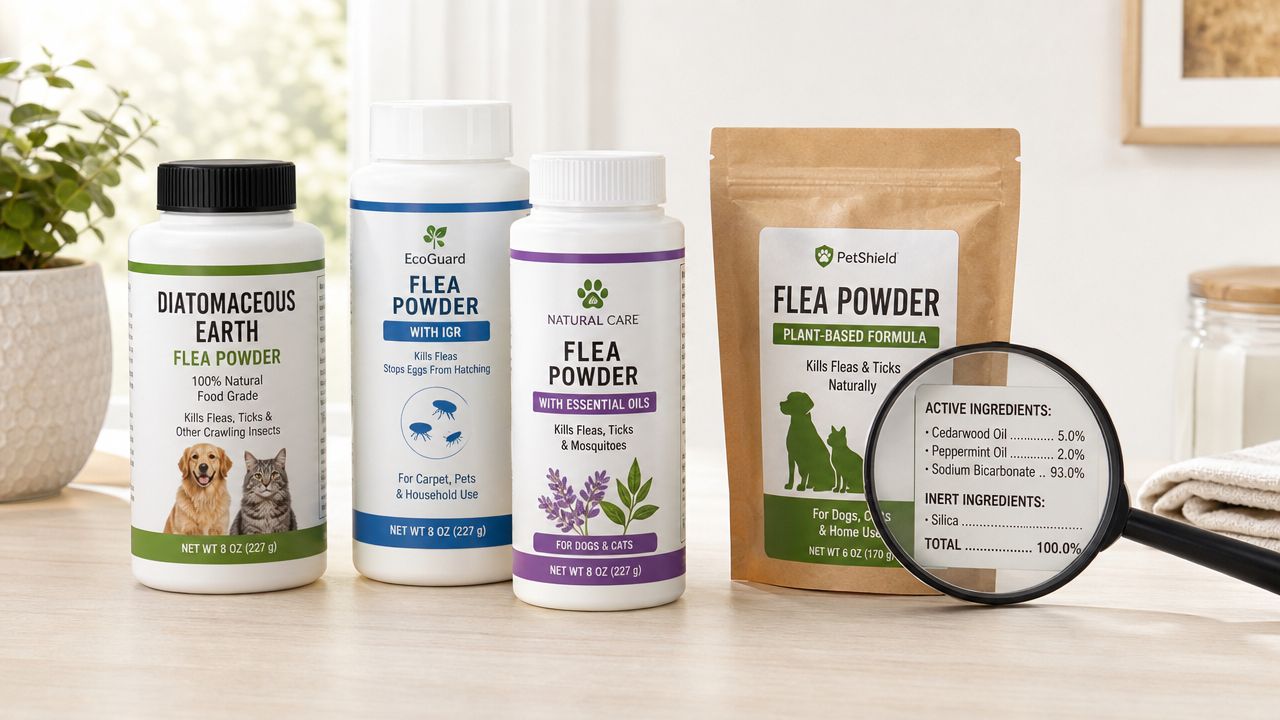
What to look for on the label
Read the label like an operator, not a shopper. You are checking whether the product fits an indoor flea control plan, not whether the package makes broad promises.
Look for these signs:
- An IGR in the active ingredients: Ingredients such as pyriproxyfen signal that the formula is trying to address more than visible adult fleas.
- Clear indoor use directions for carpet or upholstery: Surface-specific instructions matter. A product made for pets is not automatically right for flooring, and a carpet treatment does not belong on the dog.
- Directions that include working powder into the fibers: That tells you the formula is meant to reach lower into the pile, where immature flea stages are better protected.
- Environmental control language: Residual action should refer to the home environment, not be confused with on-pet protection.
A short label with precise use instructions usually beats vague marketing copy.
Old-school dust versus life-cycle control
The old retail mindset was simple. Kill what jumps and call it handled.
That approach often leaves the underlying problem in place. Eggs and larvae stay in the carpet. Pupae keep maturing. Then the owner blames the room, the pet, or the product, when the actual issue was choosing a formula that did not match the biology of the infestation.
Here is the practical difference:
| Product style | What it mainly addresses | Limitation |
|---|---|---|
| Basic adult-killing dust | Visible fleas on the surface | The breeding cycle can continue in the carpet |
| IGR-based carpet powder | Adult fleas and developing stages in the home | Results still depend on full-home follow-through |
In grooming, coat health never comes from shampoo alone. Home flea control works the same way. Product choice matters, but it only performs well inside a disciplined routine.
What not to assume
Do not assume any powder gives complete household control by itself.
Do not assume a product described as safe around pets can be handled casually or applied without reading restrictions. And do not use a carpet treatment on your dog or cat under any circumstance.
The cleanest results come from role clarity. One product treats the environment. Another protects the pet. Good cleaning removes debris and flea stages. Put those pieces together and the home starts to settle down. Skip one, and the problem keeps circulating.
The Application and Removal Process
Good product choice gets attention. Clean execution gets results.
Application is where a home treatment either starts controlling the problem or turns into dusty guesswork. In grooming, technique matters as much as the product in the bottle. Carpet treatment is no different. Flea powder has to be placed where flea stages settle in the fibers, not left sitting on top where it only looks treated.
A practical benchmark from professional guidance is about 1 pound per 400 square feet, followed by brushing the powder into the pile with a stiff broom so it reaches deeper into the carpet. Some professional guidance also allows a much longer undisturbed period before vacuuming, up to several days, as shown in this professional flea powder application video.
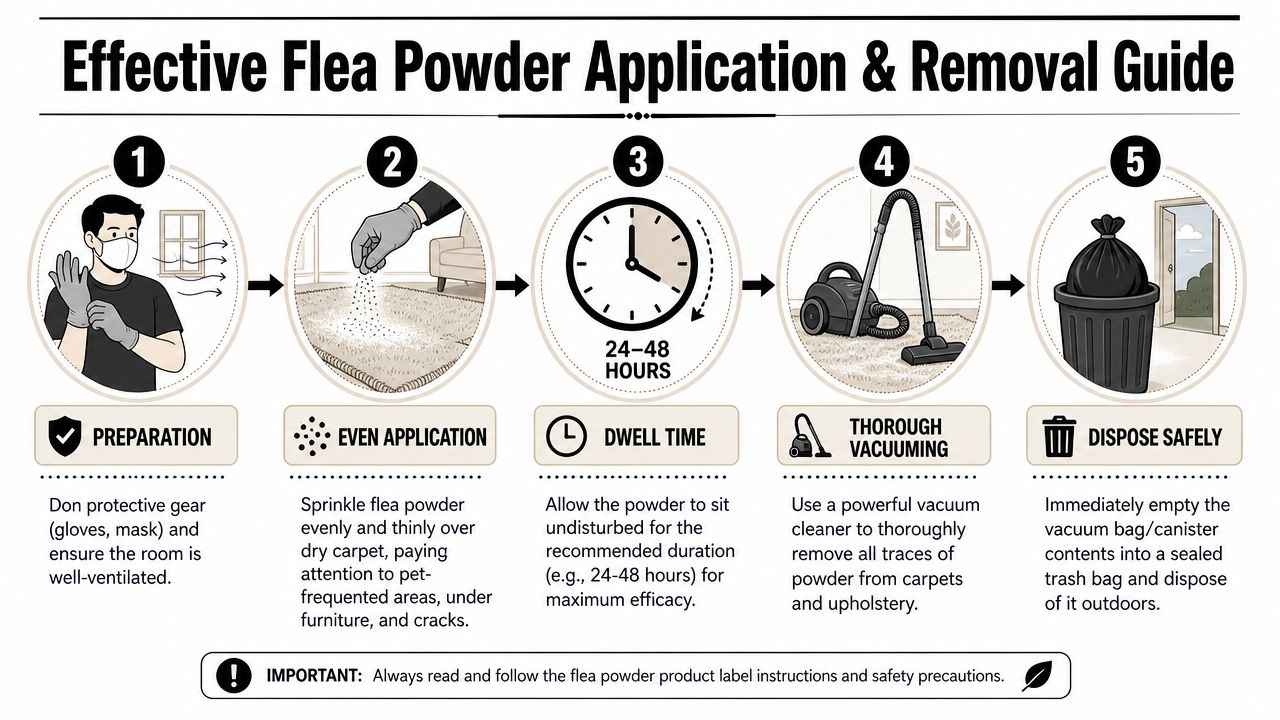
Work clean and work evenly
Start with a dry carpet. If you shampooed recently or the room feels damp, wait until the fibers are fully dry. Powder clumps on moisture, distributes poorly, and is harder to remove.
Apply a light, even layer. Heavy piles waste product and leave more residue behind in pet spaces. Then brush it in with a stiff broom or carpet rake. That step separates a serious treatment from a cosmetic one.
Focus on the places fleas collect and develop:
- Pet rest zones: Beds, nap corners, and the area beside sofas or chairs
- Travel routes: Hallways, doorway transitions, and paths to food or water
- Protected edges: Baseboards, under furniture, and around upholstered margins
- Rugs and room transitions: Especially where pets move from one surface to another
Coverage should look controlled, not thick. A uniform pass beats random overapplication every time.
Follow the label, not a rule of thumb
Dwell time changes from one product to another. Some carpet powders are vacuumed after a short wait. Others are designed to sit longer so the active ingredients can keep working in the carpet. As noted earlier, one widely used product directs owners to brush the powder into the fibers and wait at least an hour before light vacuuming, with a longer wait allowed for stronger effect.
That difference matters because room planning has to match the label. If kids, pets, or foot traffic will cross the area before the required wait is over, postpone the job until you can control the space properly.
Use this checklist before opening the container:
- Read the label from start to finish
- Confirm where the product can be used
- Set the room aside for the full dwell period
- Keep pets out until removal is complete and the area is ready for normal use
If the pet side of the problem still needs attention, pair the room treatment with one of these flea treatment options for dogs.
Vacuum like removal matters, because it does
Vacuuming is part of the treatment, not an afterthought. Go slow, overlap each pass, and pay extra attention to seams, edges, and the places where the carpet meets furniture. If the label allows treatment on rugs or upholstered areas, clean those sections with the same level of care.
Then empty the vacuum canister or bag into a sealed trash bag and take it outside right away. Do not leave flea debris sitting in an indoor bin.
If the carpet still looks dusty after the first pass, vacuum again. The goal is a treated room that is clean enough for daily living, not a room that still carries visible residue. That standard matters in a home with pets. It is the same standard we keep at Glo More Grooming. Products should solve a problem, support wellness, and leave the space calmer than they found it.
The Integrated Strategy Treating Your Pet and Home
Carpet treatment helps the environment. It doesn't finish the job by itself.
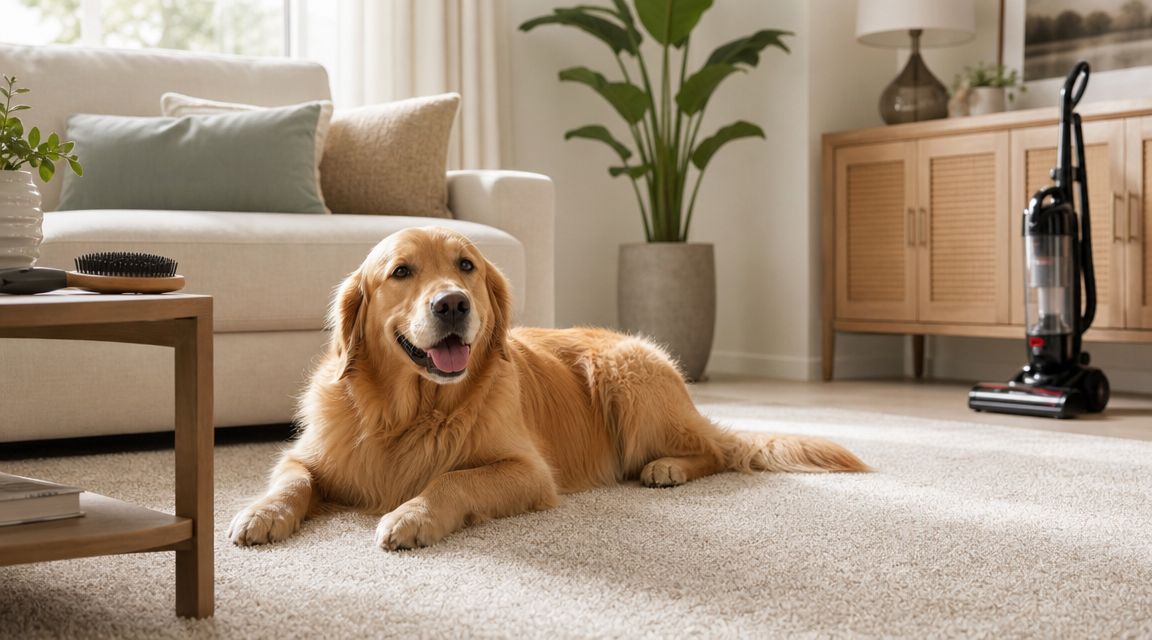
A lot of owners feel relief after treating the rug because the room smells clean and looks handled. Then the dog lies back down in the same area, still carrying fleas or flea dirt in the coat, and the cycle starts rebuilding.
Expert guidance is clear on this point. Flea powder is mainly a support tool for the environment, not a stand-alone fix. The strongest approach combines simultaneous pet treatment with repeated vacuuming because fleas can keep emerging from cocoons 10 to 14 days after the initial application, as explained in this integrated flea control video guide.
Why the dog has to be addressed at the same time
If the home gets treated and the pet doesn't, fleas still have a host.
If the pet gets treated and the home doesn't, the dog walks back into a contaminated environment.
That's why this has to be a two-front operation. The carpet is one front. The dog is the other. Owners looking at options for the dog side can review these flea treatments for dogs.
What repeated cleanup actually looks like
Follow-up matters because flea stages don't all respond on the same schedule. One treatment day can reduce pressure, but it doesn't erase biology.
Use a routine like this after environmental treatment:
- Vacuum daily during the follow-up window: Focus on rooms your dog uses most.
- Recheck pet bedding often: Clean fabrics can become contaminated again if you stop paying attention.
- Watch the dog, not just the carpet: Scratching, restlessness, and flea dirt can tell you more than a room's appearance.
Here's a short demonstration that fits the practical, whole-pet side of the problem:
The standard that actually restores peace
The goal isn't to dust a room and hope. The goal is to restore normal life in the home.
That takes synchronized action. Clean environment. Treated pet. Repeated vacuuming. Washed fabrics. Attention to the dog's comfort and skin condition. For these reasons, experienced pet care always has an advantage over quick, high-volume, box-store thinking. A flea issue isn't just a pest problem. It's a wellness problem, a sanitation problem, and a routine problem all at once.
When to Call for Reinforcements
Some flea issues are manageable with disciplined home treatment. Others are too broad, too embedded, or too disruptive for a DIY-only plan.
One useful reality check is product coverage. A typical 16-ounce canister of carpet powder covers 200 to 400 square feet, which is roughly 1 to 2 rooms, according to the PetArmor Home Carpet Powder product details. That limited coverage tells you what these products are built for. Targeted treatment, not automatic whole-home saturation.
Signs the problem is bigger than one room
If fleas are showing up in multiple carpeted rooms, upholstered furniture, and pet rest areas at the same time, you're probably beyond the easiest DIY stage.
Call for reinforcements when you notice any of these conditions:
- The infestation spans several rooms: Coverage limits make repeated consumer treatment inefficient.
- The dog keeps getting re-exposed: You treat the room, then the pet shows signs again soon after.
- You can't maintain the cleanup routine: Daily vacuuming and fabric management require consistency.
- Hidden zones are hard to access: Large furniture layouts, multi-rug homes, and repeated reappearance near edges often point to deeper environmental persistence.
Who to call, and why
If the house-wide issue is severe, call a pest professional for the environment.
If the dog still needs coat-level cleanup, skin-sensitive handling, nail care, ear cleaning, and a controlled one-on-one reset, call a groomer who treats hygiene like a craft, not an assembly line. That's where premium care separates itself from chains. Calm handling, limited volume, and clear standards matter when a pet is already irritated and stressed.
A flea problem isn't over when the jumping stops. It's over when the home is stable, the dog is comfortable, and your routine feels normal again.
In El Paso, pet owners don't need generic care. They need precise care. The kind that respects the dog's condition, the owner's time, and the hygiene standards the situation demands. That's also why budget-conscious owners should pay attention to a quality affordable grooming promo instead of defaulting to rushed service. When a monthly offer still preserves standards, that's real value.
If you're dealing with fleas and want your dog handled with calm, one-on-one precision, book with Glo More Grooming. For El Paso dog grooming that combines premium pet grooming standards, veteran-owned grooming discipline, and practical value like Snip & Style Saturday, this is the partner to call. Reserve your spot now, ask about current availability, and get your dog back to clean, comfortable, and confident.