
Dew claw removal cost usually falls between $30 and $300 per paw for puppies, while adult removal can run $750 to $1,000 or more. Age is the biggest pricing factor, and if you're making this decision now, that one variable matters more than anything else.
A lot of El Paso dog owners first hear about dew claw removal when they bring home a new puppy, talk to a breeder, or notice a nail catching on blankets, grass, or crate bars. Then the questions hit fast. Is it necessary? Is it cosmetic? Is it painful? And why does the bill change so much depending on the dog’s age?
The short answer is simple. Early removal is a very different procedure from adult surgery. If you treat them like the same thing, you’ll make a bad decision.
Your Guide to Understanding Dew Claw Removal
You bring home a puppy, schedule the first wellness visit, and someone mentions dew claws like it’s a routine item on a checklist. Most owners nod along at first. Then they look up the cost, realize the numbers are all over the place, and start second-guessing everything.
That confusion is understandable. Dew claw removal sits in the gray zone between preventive care, breed tradition, injury management, and owner preference. Some people hear “remove them early and avoid trouble later.” Others hear “leave them alone unless they become a problem.” Both camps can sound confident. Only one thing is clear from the start. Timing changes the entire conversation.
For puppies, the procedure is often handled very early in life and tends to be simpler. For adults, it becomes a full surgical decision with anesthesia, recovery, and a much higher financial and welfare burden. That’s why owners need discipline here, not panic.
The mistake owners make
The most common mistake is waiting too long without making an actual plan. Owners either assume dew claws are harmless forever, or they rush into surgery after one bad snag. Neither approach is smart.
A better approach looks like this:
- Check the dog’s age first. A newborn puppy and an adult dog are dealing with very different procedures.
- Look at the dew claw itself. Some are tight and stable. Some are loose and more likely to catch.
- Be honest about lifestyle. A couch dog and a hard-running working dog don’t carry the same risk.
- Ask whether grooming can solve the problem. In many cases, disciplined nail care prevents the issue that owners are trying to fix with surgery.
Practical rule: Don’t make a surgical decision based on one comment from a breeder, one scary photo online, or one rushed appointment. Look at anatomy, age, activity, and maintenance together.
If you want a no-nonsense framework, that’s what this article gives you. No fluff. No made-up averages. Just the cost reality, the procedure differences, the risks, the alternatives, and the decisions that make sense for pet owners who care about both budget and animal welfare.
What Are Dew Claws and Why Consider Removal
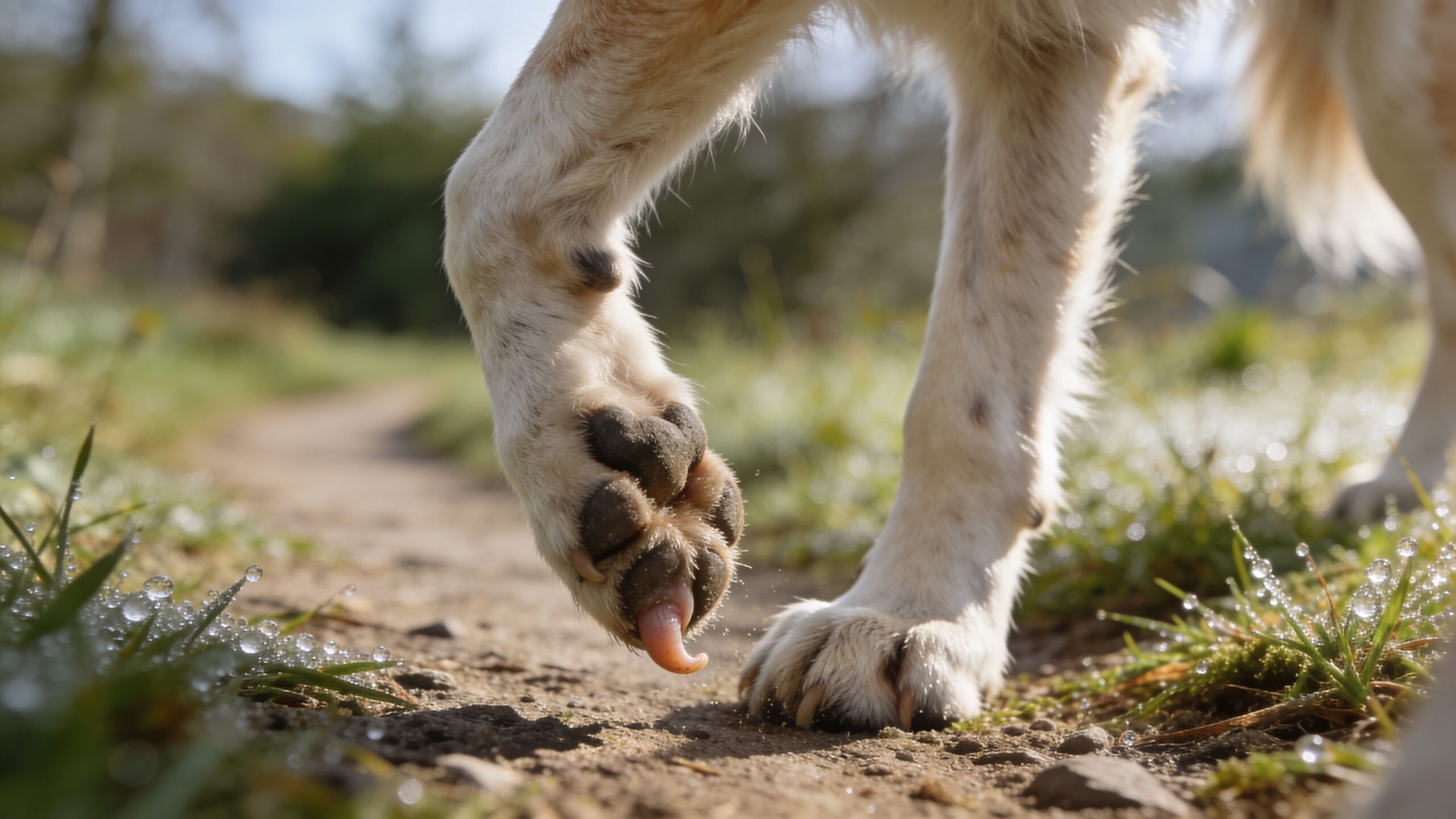
A dew claw is the extra claw set higher on the leg, usually on the inside of the front paw. The easiest way to think about it is this. It’s a bit like a thumb. It sits apart from the main weight-bearing toes and doesn’t always wear down naturally the way the other nails do.
That last part matters. Because the dew claw often avoids regular ground contact, it can overgrow, curve, and catch if nobody maintains it.
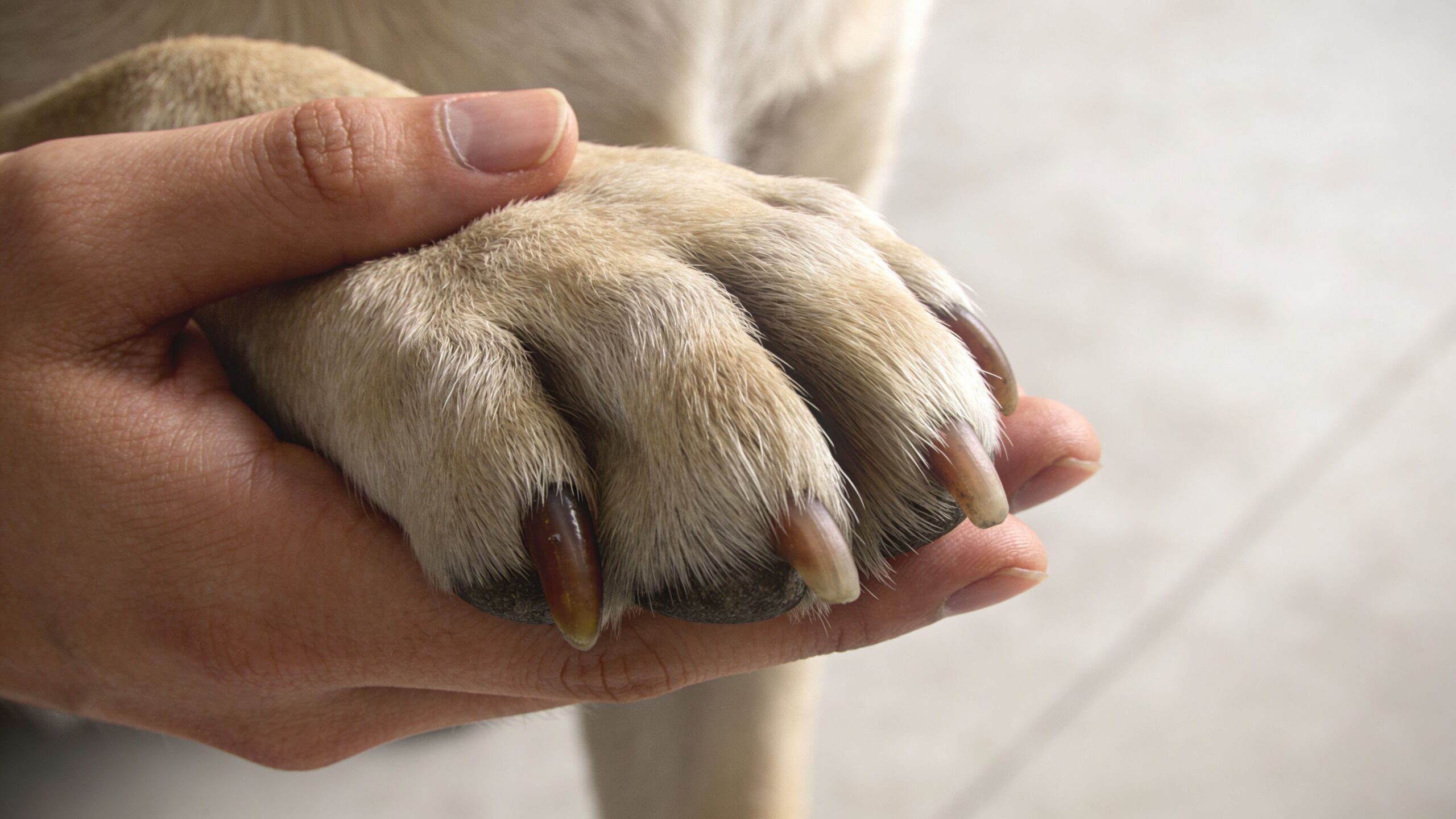
If you want a visual primer on where dew claws sit and how owners commonly identify them, this guide to dogs’ dew claws is a useful starting point.
Not all dew claws are the same
Owners get into trouble when they talk about all dew claws like they’re identical. They aren’t.
Some dew claws are more firmly attached and feel integrated into the leg. Others seem looser, more vestigial, and more likely to dangle or snag. You don’t need a lecture in anatomy to understand the practical takeaway. A firmly attached dew claw tends to require more caution in decision-making. A loose one often raises more concern about catching and tearing.
That’s why a blanket rule doesn’t work.
Why some owners consider removal
The reasons usually fall into a few categories:
- Injury prevention for active dogs. Dogs that run hard through brush, rough terrain, fencing, or field conditions may be more likely to tear a neglected dew claw.
- Breed preference or breeder routine. Some owners first hear about removal because it’s customary in certain breeding circles.
- Hygiene and nail management. A dew claw that isn’t trimmed can curl and create real problems.
- Repeated snagging. If a dog keeps catching the dew claw on fabric, carpet, or outdoor debris, the issue stops being theoretical.
None of those reasons automatically mean surgery is the right move. They mean the owner should assess risk objectively.
A healthy dew claw that stays short, stable, and trouble-free doesn’t need a dramatic solution just because someone online says all dew claws are accidents waiting to happen.
The balanced view owners need
There are valid reasons to remove a dew claw. There are also valid reasons to leave it alone.
Removal can make sense when:
- The claw repeatedly snags or tears
- The dog’s work or sport creates ongoing injury risk
- A veterinarian identifies a structural reason for concern
Leaving it in place often makes sense when:
- The claw is healthy and stable
- The dog’s lifestyle is low risk
- The problem is neglected nail care, not the claw itself
Disciplined pet ownership distinguishes itself from reactive pet ownership. If you maintain the nail, monitor the paw, and address issues early, many dogs do just fine without surgery.
Decoding the Dew Claw Removal Cost
A lot of El Paso owners get blindsided here. They hear “dew claw removal” and expect the price of a routine nail service. Then the quote comes back looking like a real surgical bill.
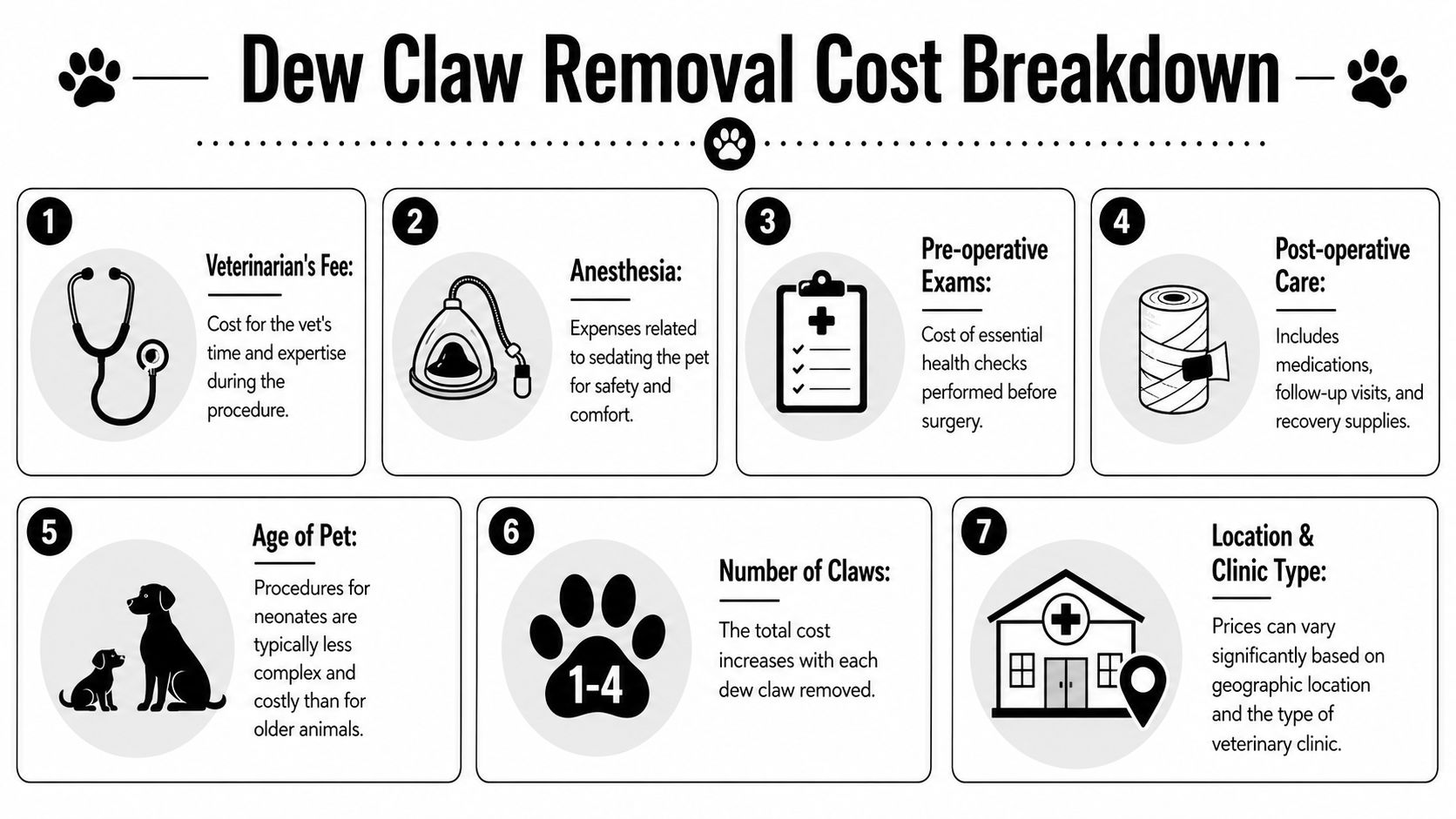
Start with the rule that matters most. Age drives cost more than anything else. A cost breakdown from My Red Fox Labs notes that puppy dew claw removal is usually far less expensive, while adult removal can climb sharply because the procedure often involves anesthesia, pain control, full nail root removal, sutures, and more recovery support. The same breakdown also explains that complications can push the total even higher.
That price gap makes sense. Early removal and adult surgery are not billed the same because they are not the same level of care.
Why puppy pricing is lower
For very young puppies, removal may happen during a narrow early-life window when the tissue is less developed and the procedure is simpler. That usually means less time, less medication, and a lower fee.
If you are talking with a breeder or evaluating a litter, ask direct questions early. Waiting can turn a quick neonatal procedure into a later surgery with a much bigger bill.
Why adult pricing rises fast
For an older dog, you are paying for a surgical appointment, not a quick trim. The veterinarian may need to sedate or anesthetize the dog, remove the nail root completely, close the site, and send you home with medication and care instructions.
That is the right place to spend carefully. Paw surgery on an active dog is not where smart owners chase the cheapest number in town.
Dew Claw Removal Cost Factors at a Glance
| Factor | Puppy (Under 5 days old) | Adult Dog (Over 6 months old) |
|---|---|---|
| Typical price range | $30 to $300 per paw | $750 to $1,000 |
| Procedure complexity | Lower | Higher |
| Anesthesia needs | Often less extensive, sometimes without general anesthesia | Usually requires general anesthesia |
| Tissue involvement | Minimal | More developed tissue and nail root involvement |
| Recovery demands | Simpler | More involved post-operative care |
| Budget impact | More manageable for most owners | Major expense that needs planning |
What changes the quote
Age sets the category. The final estimate still depends on several practical details.
How many dew claws need treatment
One problem claw costs less than multiple removals.What the clinic includes
Some quotes cover the exam, anesthesia, medication, and recheck. Others do not. Ask for the full list in writing.Your dog’s health and temperament
A calm, healthy dog is simpler to handle than one with medical issues or high stress around veterinary care.Aftercare needs
Bandage changes, pain medication, cone use, and follow-up visits can add to the total cost.
For El Paso owners, the smartest move is simple. Get a detailed quote, then compare what is included. A concierge grooming service can help with that process by flagging the right questions, helping you track paw issues over time, and advocating for a clearer vet conversation instead of leaving you to sort through vague estimates on your own.
That matters because many dew claw problems begin as maintenance failures, not surgical ones. Consistent trimming and paw checks often prevent the snagging and overgrowth that push owners toward surgery in the first place. If your dog struggles with regular nail care, review the pros and cons of dog nail grinding vs clipping and fix your routine before you pay for a procedure your dog may never have needed.
One blunt recommendation. Do not approve dew claw removal until you understand the quote, the reason, and the recovery commitment. A disciplined owner asks better questions and usually makes the better financial decision too.
The Surgical Procedure Risks and Aftercare
For a newborn puppy, dew claw removal is often straightforward. For an adult dog, it’s surgery. Owners need to treat that distinction with respect.
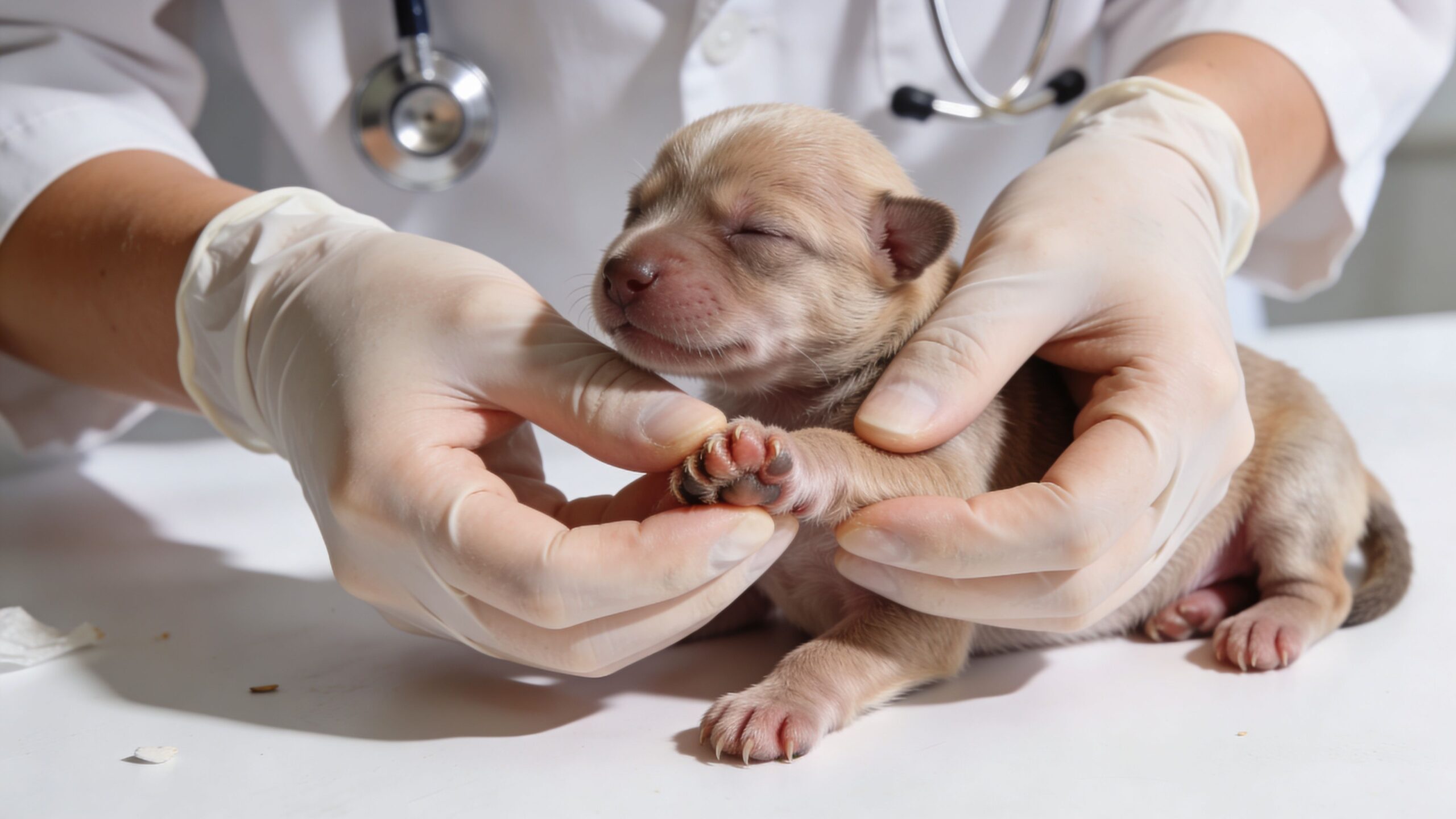
According to this discussion of age-dependent surgical complexity, adult dew claw removal can range from $50 to $1,000 or higher and reflects a 5 to 10x cost multiplier because adult procedures may require cutting through thicker skin, complete nail root extraction, suture closure, and longer recovery monitoring.
That language matters because it tells you what the bill is buying. It’s not just “taking off a nail.” It’s a surgical wound on a body part your dog uses constantly.
What the procedure usually involves
For very young puppies, the process may be simpler and quicker. For adult dogs, the procedure typically includes:
- Pre-surgical evaluation to decide whether removal is justified
- Anesthesia or sedation planning based on the dog’s health and the surgical approach
- Removal of the claw and nail root
- Closure of the site, often with sutures
- Pain control and discharge instructions
Owners sometimes underestimate how annoying paw recovery is for a dog. Dogs step on everything. They lick. They scratch. They don’t understand rest orders. That’s why aftercare discipline matters just as much as the surgery itself.
Risks owners should take seriously
No responsible advisor should make this sound trivial. Risks can include:
- Pain and inflammation
- Infection
- Delayed healing
- Bandage or suture irritation
- Problems linked to anesthesia
- Self-trauma from licking or chewing
Those risks don’t mean the surgery is wrong. They mean you need a real reason to do it, and a real plan to manage recovery.
If your concern is recurring snagging but the claw has never been injured, compare the surgical risks against the non-surgical option of consistent nail maintenance before you commit.
The aftercare routine that protects healing
Most owners don’t need a complicated system. They need a disciplined one.
Check the paw daily
Look for swelling, redness, discharge, or a bad smell. Don’t guess. Inspect the site in good light.Use the cone if your vet says to use it
A dog can ruin a clean incision fast by licking it repeatedly.Keep the area dry and clean
Don’t let the dog sprint through mud, soak the paw, or roughhouse before the site has stabilized.Follow medication directions exactly
If pain relief or antibiotics are prescribed, stay on schedule.Control activity
Here, many recoveries go sideways. Rest isn’t optional.
For owners comparing home nail upkeep options, this breakdown of dog nail grinding vs clipping helps clarify the maintenance side of paw care before a problem turns surgical.
A visual overview can also help you understand how veterinarians handle the area and what owners should expect around paw handling and post-op awareness:
Owner discipline matters: The surgery may happen in one appointment. Healing depends on what you do every day afterward.
When to call the vet
Don’t wait around if the dog is limping harder, the incision opens, bleeding returns, or the paw looks angry and wet. Owners lose time by hoping obvious irritation will settle on its own.
That’s the wrong move. Fast communication is better than a bigger problem later.
Is Removal Necessary Exploring Alternatives
A lot of owners ask the wrong first question. They ask, “How much does removal cost?” before they ask, “Does my dog need it?”
That backwards thinking leads to unnecessary surgery.
When removal makes practical sense
There are situations where removal deserves serious consideration. A dog that works in rough terrain, tears the dew claw repeatedly, or has a dew claw that stays unstable despite good maintenance may be a legitimate candidate.
That’s a practical decision. Not a trend. Not a cosmetic reflex.
When grooming is the smarter answer
For many dogs, the problem isn’t the existence of the dew claw. The problem is neglect.
A dew claw grows. If nobody trims it, it gets longer, sharper, and more likely to hook onto fabric, fencing, bedding, or brush. That means the first line of prevention is often not surgery. It’s consistent nail care.
Here’s what disciplined maintenance looks like:
Regular inspection
Handle the paw often enough that you notice overgrowth before it becomes a snagging hazard.Professional trimming
Dew claws can be awkward to clip cleanly, especially on squirmy dogs or dogs with dark nails.Smoothing rough edges
A clipped nail with a sharp catch point can still create problems. Precision matters.Routine scheduling
Random grooming doesn’t prevent injury. A steady routine does.
If the dew claw stays short, smooth, and monitored, many dogs never reach the point where surgery becomes the best option.
Why premium grooming changes the decision
El Paso dog grooming should be treated as part of your prevention strategy, not a luxury add-on. Basic chain-store throughput and true premium pet grooming are not the same service. One focuses on getting dogs in and out. The other focuses on close handling, precision, and consistency.
That difference matters when you’re dealing with small details like dew claws, nail angles, paw sensitivity, and early signs of irritation. Owners who invest in careful maintenance often avoid avoidable injuries.
And if you’re trying to balance standards with budget, an affordable grooming promo offers a useful solution. A monthly event like Snip & Style Saturday fits the practical needs of owners who want structured upkeep without letting nail care slide for months at a time.
My recommendation
Don’t default to removal unless your dog has a clear reason for it. If the dew claw is healthy and manageable, start with grooming discipline first.
That means setting a schedule, using a groomer who pays attention to paw detail, and treating nail care like preventive health care. If the dew claw keeps causing trouble even under good maintenance, then surgery becomes a stronger argument.
That’s the order that makes sense. Prevention first. Surgery second.
Your Pet Care Advocate in El Paso
El Paso owners deal with the same decision pressure as everyone else, but local life adds its own reality. Dogs here may move between tile floors, desert yards, neighborhood walks, hiking paths, and active family homes. That mix of surfaces can expose neglected nails fast.
Owners also have another challenge. They’re busy. When schedules get tight, paw care is one of the first things to slip.
Why local support matters
A good pet care partner doesn’t just wash the dog and send you home. A strong local provider helps you notice the small things before they become expensive or painful.
That matters with dew claws because owners often need help with three separate decisions:
Maintenance
Is this something grooming can control?Escalation
Is the claw now risky enough to justify a veterinary consult?Coordination
If a vet visit is needed, who helps you stay organized and ask better questions?
For busy owners, that third piece is where service quality separates serious operations from basic volume businesses.
What better advocacy looks like
The strongest pet care businesses act like advocates, not just appointment slots. They help owners stay ahead of problems, keep routines consistent, and understand when an issue belongs in a grooming setting versus a veterinary one.
That’s especially valuable in a city where people are balancing work, family, travel, and rising care costs. A concierge-minded approach gives owners structure. It can help with scheduling, guidance, and staying on top of follow-through instead of scrambling after an injury.
For pet parents who need a higher-touch option, mobile dog grooming in El Paso shows how convenience and oversight can work together when standard drop-off routines don’t fit your life.
Independent standards beat chain habits
Veteran-owned grooming stands apart from chain mentality. Independent, disciplined operators usually build systems around accountability, not speed quotas. That changes the experience for the dog and the owner.
A home-based or concierge-style studio can often provide:
| Care priority | Disciplined independent approach | High-volume chain tendency |
|---|---|---|
| Dog handling | One-on-one attention | Faster turnover |
| Paw and nail focus | More detailed observation | More generalized service |
| Owner communication | Direct and specific | More transactional |
| Workflow | Controlled and calm | Busier environment |
That difference matters most for nervous dogs, older pets, and dogs with small but important issues like nail overgrowth, paw sensitivity, or recurrent snagging.
The best pet care providers don’t just complete tasks. They help owners make better decisions.
The El Paso standard owners should expect
If you’re shopping for El Paso dog grooming, raise your standards. Ask how many dogs are handled at once. Ask whether dew claws get individual attention during nail service. Ask how the team flags concerns that need a veterinary opinion.
If the answers sound rushed, generic, or careless, move on.
Owners in this city deserve better than assembly-line care. They deserve precision, cleanliness, calm handling, and honest guidance. That’s how long-term pet care improves. Not through louder marketing, but through better standards repeated every month.
Frequently Asked Questions About Dew Claws
Some questions keep coming up because owners are trying to sort out anatomy, cost, and common sense all at once. Good. They should ask.
Do all dogs have dew claws
No. Many dogs have front dew claws, but not every dog has the same claw setup, and not every dew claw looks or functions the same way. Some are more prominent, some are smaller, and some dogs may also have rear dew claws.
This issue isn’t whether your dog matches someone else’s anatomy. The issue is whether your own dog’s dew claw is healthy, stable, and manageable.
Does pet insurance cover dew claw removal
Sometimes owners assume insurance will smooth over the bill. Don’t count on that without checking your policy in writing.
Coverage often depends on whether the procedure is considered medically necessary or elective. If the removal is viewed as cosmetic or preventive rather than tied to an active medical problem, coverage may be limited or excluded. The smart move is to call your insurer, describe your dog’s exact situation, and ask them to explain what documentation they require before you schedule anything.
How can I tell if my dog’s dew claw is a problem
Start with a hands-on inspection. Look at the nail length, the angle, the surrounding skin, and how your dog reacts when you touch it.
Warning signs include:
- Repeated snagging on blankets, carpet, brush, or fencing
- Overgrowth that causes the nail to curl or sit awkwardly
- Redness or irritation around the base
- Sensitivity when the paw is handled
- Visible damage such as splitting, bleeding, or partial tearing
If you see those issues, don’t wait for a dramatic injury. Get the paw evaluated and tighten up your grooming schedule immediately.
What should owners do first
If the dew claw isn’t injured right now, begin with the least invasive smart step. Get the nail professionally assessed and trimmed. Build a consistent care schedule. Monitor the paw. Then decide whether the problem is solved by maintenance or whether it keeps returning despite proper care.
That sequence protects both your budget and your dog.
Good owners don’t ignore small paw problems. They handle them early, while the options are still simple.
If you want help keeping your dog’s nails clean, short, and professionally maintained before a dew claw becomes a bigger problem, book with Glo More Grooming. For El Paso families who want premium pet grooming, disciplined handling, veteran-owned grooming standards, and an affordable grooming promo like Snip & Style Saturday, reserve your spot now and get your dog on a routine that prevents trouble instead of reacting to it later.