
A clean coat can fool you. Your dog comes in from the yard, hops on the couch, and everything looks fine until you spot one black speck moving through the fur near the tail. Then the scratching starts. Then you wonder whether the bed, the rug, and the car seat are next.
That moment matters, but it doesn't need to turn into panic. Flea control works best when you treat it like a discipline problem, not a guessing game. In El Paso, dogs spend time outdoors, move between homes and patios, and pick up exposure in all the usual places. Heat doesn't cancel flea risk. It often makes owners let their guard down while the problem keeps cycling through pets and the home.
As a groomer, I look at flea treatments for dogs the same way I look at coat care, nails, and skin health. The goal isn't a one-time rescue. The goal is a standard. You want the right treatment, applied on the right schedule, with a clean dog, a clean environment, and no shortcuts.
That mindset is where premium pet grooming makes a real difference. Good grooming doesn't replace veterinary care, but it does support it. A disciplined workflow, close coat inspection, proper bathing, and flea combing give you better information and a cleaner starting point. For El Paso families who want calm handling, consistent hygiene, and practical support from a veteran-owned grooming studio, that difference shows up fast.
Your Mission Should You Choose to Accept It Defeating Fleas in El Paso
Most owners don't discover fleas during some dramatic infestation. They find them during an ordinary day. The dog starts biting at the lower back. You notice black debris on a light-colored blanket. A bath helps for a day, then the scratching returns. That pattern is common because fleas rarely stay a simple coat problem for long.
In El Paso, the challenge isn't just the dog. It's the full routine around the dog. Walks, backyard breaks, shaded patio corners, visits with other pets, and soft surfaces inside the home all create opportunities for fleas to hang on and come back. If you only react when you see live fleas, you're always chasing the problem one step behind.
A mission works better than a panic buy
Owners often do what chain aisles train them to do. Grab the first shampoo, maybe a collar, maybe a spot-on, and hope the itching stops. Sometimes it helps briefly. Often it doesn't fix the cycle because the dog, the bedding, and the home weren't addressed together.
A better approach is simple:
- Confirm the problem: Check for live fleas, flea dirt, active scratching, and irritated skin.
- Choose a real treatment plan: Match the product to your dog's size, age, coat, and health status.
- Reset the coat and skin: Bathe and comb thoroughly so you're not working through debris and buildup.
- Treat the environment: Bedding, rugs, furniture, crates, and shaded outdoor areas matter.
- Stay on schedule: Flea control fails when owners stop after the first improvement.
Practical rule: Flea control is easier to win with routine than with rescue.
That disciplined mindset fits our local pet culture well. El Paso dog owners want pets that are comfortable, clean, and ready for family life. They also want straightforward advice, not noise. That's where a veteran-owned grooming approach helps. Clear standards. Calm handling. No chaos. Just a repeatable process that protects your dog and your home.
Recognizing the Enemy Signs of a Flea Infestation
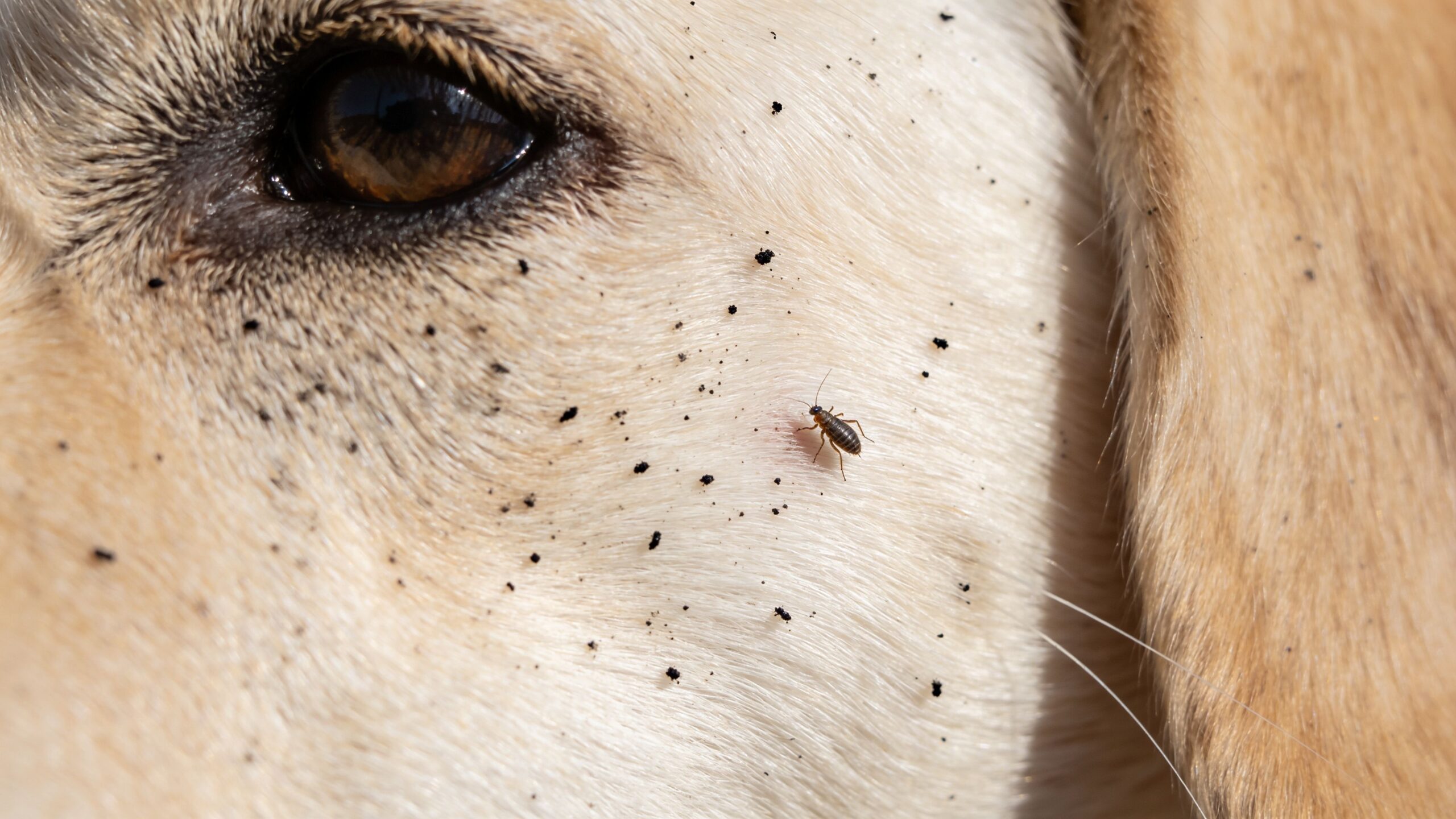
You don't need to wait until you see fleas jumping across your dog's belly to know something's wrong. Most infestations announce themselves through behavior and coat condition first. A dog that suddenly scratches harder around the neck, tail base, groin, or belly is giving you a clue. So is chewing at the hips, restless settling, or skin that looks rougher than usual after being fine a week earlier.
What to check at home
Start with a hands-on inspection in good light. Part the coat slowly and look close to the skin, especially near the lower back, base of the tail, inner thighs, and behind the ears. Live fleas move fast, so you may only catch a quick dark flash.
Flea dirt is often easier to find than the fleas themselves. It looks like black pepper or tiny dark crumbs caught in the coat. You may also see irritated skin, small scabs, or patches where the coat is thinning because the dog won't stop chewing.
Use a flea comb if you have one. Comb onto a white towel or paper towel so the debris stands out. On light coats, this can reveal a problem that a casual glance misses.
Why skin reactions matter
Some dogs don't just itch. They overreact to flea bites. Flea allergy dermatitis, or FAD, is one of the most common skin issues in dogs, and the Companion Animal Parasite Council calls for year-round, lifelong prevention because reinfestation is common even when products kill fast. The same veterinary review notes that 93%+ of owners using 12-week treatments reported satisfaction, yet two-thirds of US vets say clients still avoid year-round protocols, which leaves dogs vulnerable to recurring exposure (veterinary guidance on flea allergy dermatitis and prevention).
That matters because FAD can look worse than owners expect. A few bites can trigger major itching, inflamed skin, hot spots, and coat damage. By the time the dog looks miserable, the problem has usually been brewing.
Watch this visual walkthrough if you're unsure what active fleas and flea debris look like in the coat.
Red flags worth acting on fast
If you're deciding whether it's "just dry skin" or fleas, these signs push it toward action:
- Tail-base irritation: Many flea problems show up strongest over the rump and lower back.
- Repeated biting or licking: Dogs often target the same area over and over.
- Black debris in fur or bedding: This often appears before owners ever spot a live flea.
- Crusts, redness, or hair loss: These suggest the skin is already taking damage.
- Restlessness after lying down: Fleas often make dogs uncomfortable when they're trying to settle.
A dog can carry the signs of fleas even when you don't see a flea right away.
That's why inspection matters. In El Paso dog grooming, coat checks aren't cosmetic. They're part of protecting skin health before a small problem turns into a house-wide one.
Choosing Your Arsenal A Breakdown of Flea Treatments
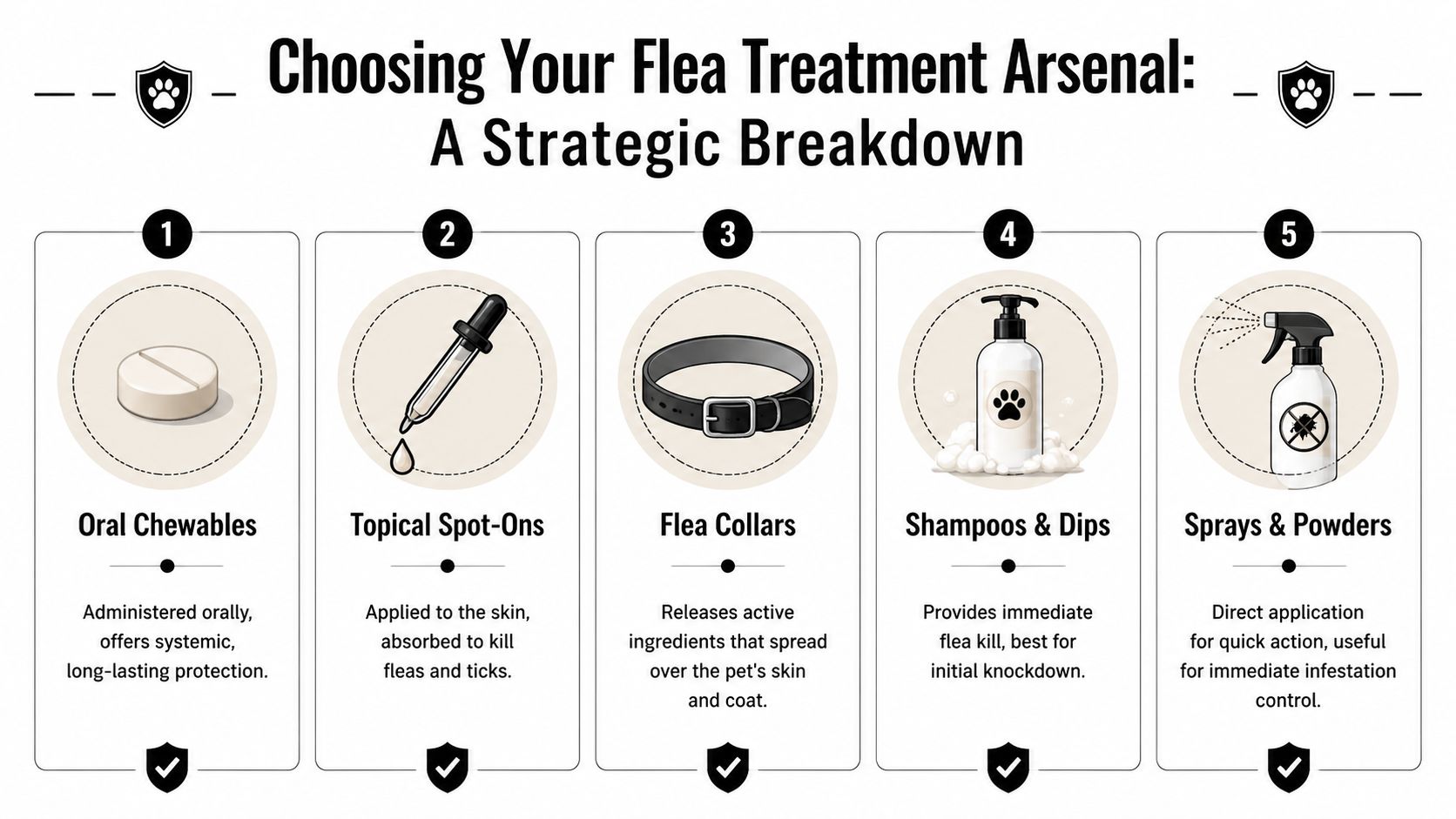
Not every flea treatment solves the same problem. Some products are built for long-term prevention. Some are better for quick knockdown. Some work well for active dogs. Others lose reliability if the dog swims, gets frequent baths, or has sensitive skin. If you're comparing flea treatments for dogs, think in terms of job fit, not brand hype.
Oral chewables
Oral medications work systemically. The dog swallows the treatment, the active ingredient circulates, and fleas die when they bite. This appeals to many owners because there's no greasy residue on the coat and no concern about washing product off after grooming or swimming.
The strongest convenience case in this category comes from isoxazoline-class oral treatments such as fluralaner. A veterinary review notes that fluralaner provides 12-week protection, that 68-77% of prior monthly product users switched for convenience, that satisfaction ran over 90%, and that efficacy included more than 98% flea kill within 12 hours (clinical overview of fluralaner and owner adherence).
That doesn't make oral products automatic for every dog. They still require veterinary guidance, correct dosing, and follow-through. But for busy households, dogs that bathe often, and owners who tend to forget monthly applications, they solve real adherence problems.
Topical spot-ons
Topicals sit on or move through the skin and coat. They can be effective, but they have trade-offs owners need to respect. If you apply them badly, bathe too soon, or use them on a dog that licks a lot, you can reduce performance or create irritation.
A common example is fipronil plus (S)-methoprene combinations. These pair an adult flea killer with an insect growth regulator to disrupt immature stages. The formula can be useful when you need both adult kill and help interrupt reinfestation. But this category can be less practical for dogs that swim, get frequent baths, or are sensitive to residue. Full spread across the coat can also take time.
For owners weighing store-shelf options before calling a vet, our guide to over-the-counter flea medicine for dogs helps sort through what these products can and can't do.
Flea collars
Collars can be convenient because they don't depend on you remembering a chew or monthly liquid at the exact moment. But they aren't the universal answer many owners hope for. Fit matters. Coat density matters. Skin sensitivity matters. So does how much you trust your dog not to mess with the collar.
For some dogs, collars work as a practical preventive layer. For others, especially dogs with skin issues or households that prefer closer control over dosing and timing, they're less appealing. I don't treat flea collars as a rescue plan for a heavy infestation. I see them more as a maintenance tool when the dog is already on a solid overall plan.
Shampoos and dips
Shampoos matter, especially in grooming, but they need honest framing. A flea shampoo can kill live adult fleas on contact during the bath. That's useful. It gives the dog relief, helps strip flea dirt and debris from the coat, and creates a much cleaner starting point.
What it doesn't do well on its own is maintain long-term protection. A shampoo is a reset tool, not a complete strategy. The same goes for dips in most owner situations. They can help in the moment, but if nothing else changes, the flea cycle continues in the home and yard.
Use shampoos for immediate control and coat cleanup. Use longer-term prevention to keep the dog from becoming reinfested.
Sprays and powders
Sprays and powders still have a place, mostly for direct action or targeted use. Some owners like them for quick response. In practice, they can be uneven if applied poorly, and powders in particular can be messy in the coat and around the home. They're rarely my first recommendation for a polished, manageable routine.
They may help with immediate pressure in certain situations, but most El Paso dog owners do better with a cleaner system. That usually means a bath and comb-out, a vet-approved prevention plan, and environmental cleanup instead of relying on powders alone.
Flea Treatment Comparison for Dog Owners
| Treatment Type | How It Works | Pros | Cons |
|---|---|---|---|
| Oral chewables | Systemic treatment kills fleas after they bite | Long-lasting options exist, no coat residue, useful for dogs that bathe often | Requires accurate dosing and veterinary guidance |
| Topical spot-ons | Applied to skin and coat to kill fleas and often disrupt immature stages | Familiar format, can target multiple stages depending on formula | Residue, timing issues around bathing, possible sensitivity |
| Flea collars | Active ingredients spread from the collar over skin and coat | Convenient for some maintenance routines | Fit and tolerance matter, less useful as a rescue plan |
| Shampoos and dips | Contact kill during bath or direct application | Immediate knockdown, removes flea dirt and debris | Short-lived on their own, not enough for long-term control |
| Sprays and powders | Direct coat application for quick action | Fast response in some cases | Messy, technique-sensitive, easy to overestimate |
What works versus what usually fails
The most common mistake isn't choosing the "wrong" category. It's expecting one tool to do every job. A flea shampoo won't replace prevention. A topical won't fix a dirty environment by itself. A collar won't solve a dog with severe skin irritation if the home is full of eggs and larvae.
Big-box advice often pushes speed and convenience. Premium pet grooming and serious pet care require something more disciplined. Choose the treatment based on your dog's lifestyle, not aisle marketing. Then support it with bathing, combing, cleaning, and consistency.
Matching the Treatment to Your Dog Safety First
The safest flea treatment is the one that fits the dog in front of you. That's where many owners get into trouble. They treat flea control like buying paper towels. Grab a box, follow the label fast, and move on. Dogs don't work that way.
A puppy, a senior dog, a small-breed dog, and a large athletic dog may all need very different decisions. Coat type, skin condition, medical history, current medications, and how the dog handles grooming all matter. So does climate. In El Paso, heat changes how residue, licking, and skin irritation can play out after a topical application.
Small dogs need extra caution
An EPA investigation cited by NRDC found that small dogs weighing 10-20 pounds are the most prone to adverse reactions from topical flea products, including rashes and seizures. The same guidance notes higher risk for dogs that are very young, old, or sick, and raises concern that in hot climates like El Paso, topical residue can increase toxicity, making vet-prescribed oral options worth discussing for sensitive pets (NRDC guidance on topical flea treatment risks).
That should change how you shop. If you own a small dog, you shouldn't treat over-the-counter topicals as a casual purchase. Weight range has to be exact. Application has to be exact. If your dog already has skin irritation, you need even more caution.
What to ask before you choose
Bring these questions into your decision:
- How old is the dog? Puppies and seniors may need gentler planning and closer veterinary input.
- How much does the dog weigh right now? Not last year. Right now.
- Does the dog lick, roll, or rub after applications? That can matter with residue-based products.
- Does the dog swim or get bathed often? Some treatments fit that routine better than others.
- Has the dog ever reacted to a topical, shampoo, or medication? Past sensitivity should shape the next choice.
- Does the dog have breed-related sensitivity concerns? Some dogs need a more conservative approach.
The right product on the wrong dog becomes the wrong product.
Why one-size-fits-all advice falls apart
This is one reason chain-store flea recommendations often miss the mark. The packaging may look simple, but the decision isn't simple. A dog with a thick coat, sensitive skin, and a habit of licking product off the shoulders is not the same case as a short-coated dog with no history of skin trouble.
Safety-first care means slowing down long enough to match the product to the dog. That's also why serious grooming workflows matter. A close coat check, honest notes about skin condition, and clean application timing can help owners ask much better questions when they speak with their vet.
The Glo More Grooming Protocol A Flea-Free Standard of Care
A dog comes in from an El Paso backyard with dust in the coat, heat-stressed skin, and scratching that got worse after a rushed bath at home. That dog does not need guesswork. The dog needs a controlled grooming process that strips out debris, exposes flea activity, and shows the actual condition of the skin.
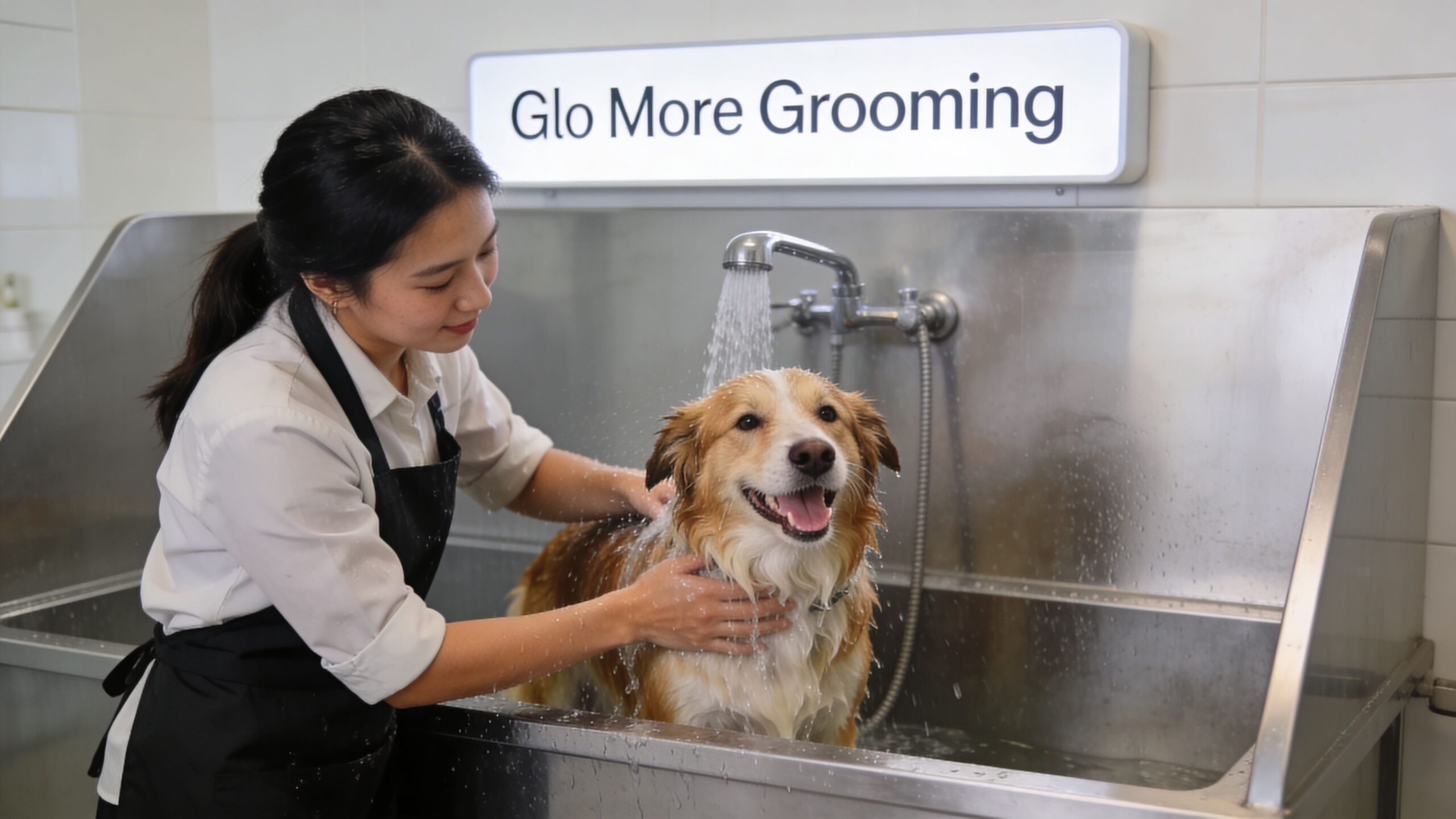
Professional grooming helps flea control because it gives owners a clean starting point. Under bright light and with calm handling, a groomer can work through dense coat, check warm hiding spots like the neck, tail base, groin, and armpits, and remove flea dirt that masks what is really happening. In a city where dogs spend time on patios, in yards, and on desert ground, that visibility matters.
Veterinary guidance supports regular grooming, bathing, and flea combing as part of flea control. For owners building a lower-chemical routine between veterinary treatments, targeted coat care and safe flea spray guidance for dogs can help support the plan without turning every scratch into a product experiment.
What a disciplined grooming workflow adds
At our veteran-owned studio, the standard is simple. Slow down, inspect thoroughly, and keep the dog comfortable enough to do the work right.
A flea-focused grooming appointment adds value in ways a rushed home bath usually cannot:
- Coat separation under good lighting: Fleas and flea dirt hide fast in heavy coat, especially on double-coated dogs.
- A full rinse and cleanse: Dirt, loose undercoat, saliva crust, and surface debris come off so the skin can be assessed accurately.
- Methodical flea combing: Activity patterns become easier to spot instead of getting missed in wet, tangled fur.
- Skin-condition notes: Red patches, bite irritation, scabs, and hot spots can be documented for the owner to monitor or discuss with a vet.
- Cleaner follow-through at home: A dog with a properly cleaned, brushed-out coat is easier to recheck over the next several days.
That process matters in El Paso. Dry air, blowing dust, and heavy outdoor time can make a flea problem look like simple itchiness until the coat is opened up and examined carefully.
Why the grooming environment changes the result
High-volume grooming has its place, but flea cases often need closer observation and better pacing. Skin that is already irritated does poorly with rough handling, shortcuts, or a noisy setup that keeps the dog tense. A quieter one-on-one environment gives the groomer time to check detail work instead of pushing for speed.
Glo More Grooming uses that smaller-studio approach here in El Paso. Dogs are handled with one-on-one care, which supports cleaner hygiene, better coat inspection, and more thoughtful responses when fleas, dry skin, or sensitivity show up together. That is not a cosmetic extra. It is part of wellness care.
Good grooming does not replace veterinary treatment. It improves visibility, hygiene, and follow-through so the treatment plan has a better chance to work.
A practical standard for El Paso owners
Owners usually get better results when grooming is treated as part of flea control, not a separate chore.
A workable routine looks like this:
- Book coat maintenance on a steady schedule so buildup and flea dirt do not stay hidden for weeks.
- Use each grooming visit as an inspection point for skin changes, over-scratching, and coat condition.
- Time baths and grooming around your vet's treatment plan so you do not interfere with topicals or overlook irritation.
- Pay extra attention after hikes, yard play, or patio lounging because outdoor-heavy dogs in El Paso pick up more dust and debris that can hide early signs.
- Stay consistent when budget is tight by using practical maintenance options instead of waiting until the coat and skin are both in bad shape.
That is the standard we push for at Glo More Grooming. Clean coat. Clear skin visibility. Calm handling. Repeatable hygiene. Dogs feel better, and owners can make better decisions because they are working from what they can see.
Winning the War at Home Environmental Flea Control
Treating the dog without treating the home is where many flea plans collapse. Owners do the hard part once, then skip the boring part. The result is familiar. The dog looks better, then starts scratching again because the environment kept feeding the cycle.
Research on owner adherence shows why this happens. Veterinarians recommend 12 months of flea protection per year, yet 46-64% of owners buy only one dose annually, and in Australia 18% of owners reported fleas in the home compared with 11% in the US and UK (study on flea protection gaps and home reinfestation). That gap between recommendation and follow-through is exactly where homes stay contaminated.
The home plan that actually helps
A useful environmental routine doesn't have to be complicated. It has to be consistent.
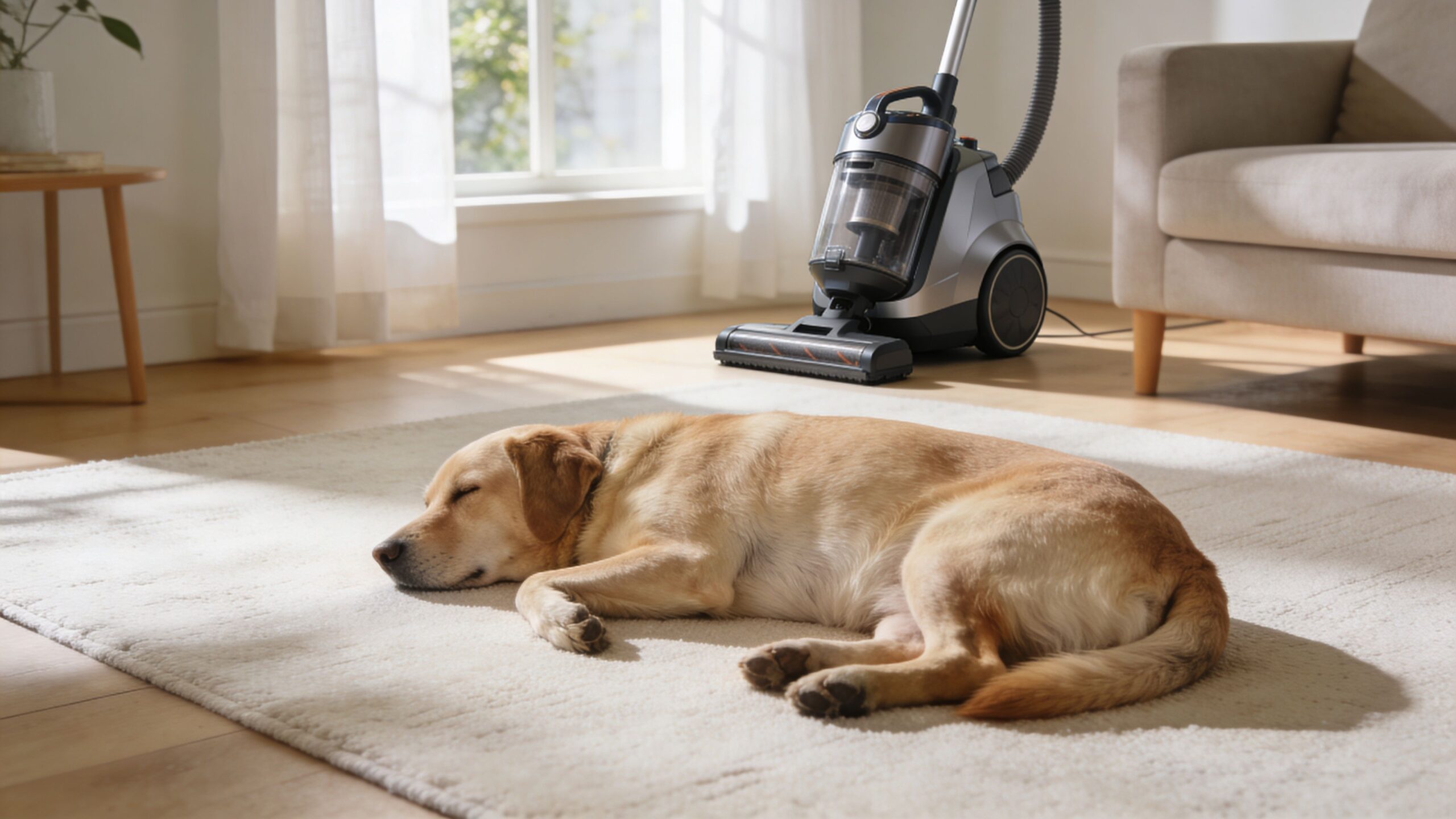
- Wash bedding: Clean pet bedding, crate pads, and washable blankets on a regular schedule.
- Vacuum where the dog rests: Focus on rugs, baseboards, upholstery, car interiors, and cracks near sleeping areas.
- Don't ignore shaded outdoor spaces: Covered patios, dog houses, and cool corners of the yard deserve attention.
- Use environmental products thoughtfully: If you're using sprays, look for plans that address immature stages, not just adult fleas.
- Treat all pet spaces at the same time: Partial cleaning leaves easy re-entry points.
For owners comparing products for indoor support, our overview of flea spray for dogs can help you think through where direct sprays fit and where they don't.
El Paso-specific pressure points
Fleas don't need your entire yard. They need protected spots. Dogs often lie in the same shady patch, under patio furniture, along block walls, or in cooler soil near irrigation. Indoors, fleas favor the places your dog uses repeatedly. That means one favorite rug can matter more than three clean rooms.
If your dog travels between house, car, patio, and family visits, your cleanup plan has to follow that route. Flea control fails when owners clean the obvious places and skip the habitual ones.
What owners often get wrong
A few habits keep reinfestation going:
- Stopping after one bath: A clean dog can still return to a dirty environment.
- Cleaning only the floor: Fleas and flea debris turn up in soft furniture, bedding, and vehicle fabric too.
- Missing the yard: Outdoor resting zones often restart the problem.
- Waiting until fleas are visible again: By then, you lost time.
Environmental control isn't glamorous, but it decides whether the rest of your plan sticks.
When to Call for Reinforcements Your Vet and Your Groomer
Some flea problems move past home care fast. If your dog has open sores, severe redness, scabbing, hair loss, lethargy, or a reaction after a product application, don't try to troubleshoot it with another random treatment. Call your vet. The same goes for dogs that keep relapsing even though you're trying to stay consistent. That can point to flea allergy dermatitis, infection, product mismatch, or a problem in the environment you're not seeing.
Veterinary help also matters when you need prescription options or when your dog is very small, elderly, medically fragile, or already taking other medications. A good vet doesn't just hand you a product. They help narrow the safer path.
Where the groomer helps
A groomer isn't the prescriber. The groomer is the observer, reset point, and support system. Clean coat work, careful handling, and honest notes about what the skin looks like can make the next veterinary conversation more productive.
For busy owners who want to understand prescription routes before an appointment, our page on oral flea tick medication for dogs lays out why oral options come up so often in serious prevention discussions.
Concierge support matters when life is busy
White-glove support can make a difference. Busy professionals often don't ignore flea care because they don't care. They fall behind because the logistics stack up. Appointments, pickup windows, follow-up, treatment timing, and home cleanup all compete with work and family.
A concierge-style grooming relationship helps reduce that friction. When your groomer operates with clear standards, limited on-site volume, and coordinated care support, it's easier to keep the dog on a real schedule instead of drifting into reactive care.
Maintain the Standard A Flea-Free Future
Too many owners still treat flea control like a temporary inconvenience. Buy something fast, hope the itching stops, and move on. That's the wrong standard. Flea control works when you commit to the full system. Right treatment. Clean coat. Clean home. Steady follow-through.
That mindset is especially important in El Paso, where outdoor routines, warm conditions, and active dogs create repeat exposure opportunities. The answer isn't panic. It's consistency. Premium pet grooming supports that consistency because it gives owners a cleaner baseline, better visibility into skin and coat health, and a repeatable routine that doesn't depend on guessing.
Veteran-owned grooming carries a practical advantage here. Clear standards tend to produce better results than rushed volume. A one-on-one environment, disciplined workflow, and direct communication help owners stay ahead of flea problems before they become household problems.
If you're serious about El Paso dog grooming, want premium pet grooming with calm handling, prefer a veteran-owned grooming experience, or need an affordable grooming promo that helps you stay on schedule, raise the standard now. Don't wait for another scratching cycle to force the issue.
If your dog needs a cleaner starting point, a calmer grooming experience, and a more disciplined path to flea control, book with Glo More Grooming. Reserve your spot, ask about Snip & Style Saturday, or reach out today to set a higher standard for your dog's coat, skin, and comfort.