
You’re standing in the dog food aisle, staring at bags that all promise better coats, stronger joints, cleaner ingredients, and happier dogs. One bag looks affordable. The next one costs far more and talks like it belongs in a health-food store. Then you look at your cart, think about vet bills, think about grooming, think about everything else your dog needs, and wonder where smart care ends and overspending begins.
That’s the issue behind dog food cost. Most owners in El Paso aren’t trying to cut corners. They’re trying to make good decisions without getting played by packaging, trend diets, or guilt-based marketing. A responsible pet budget isn’t about buying the most expensive item in every category. It’s about putting money where it makes the biggest difference for your dog’s daily life.
Navigating Pet Care Costs in El Paso
In El Paso, dog owners tend to be practical. We deal with heat, dust, shedding, dry skin, busy schedules, and family budgets that have to stretch across real life. That’s why pet care has to be looked at as a full system, not a series of impulse purchases.
Dog food matters. So does coat maintenance, nail care, ear cleaning, skin health, and keeping your dog comfortable in a climate that can be rough on them. If you overspend on food because a label sounds premium, you can end up squeezing the parts of care that owners see and dogs feel every week.
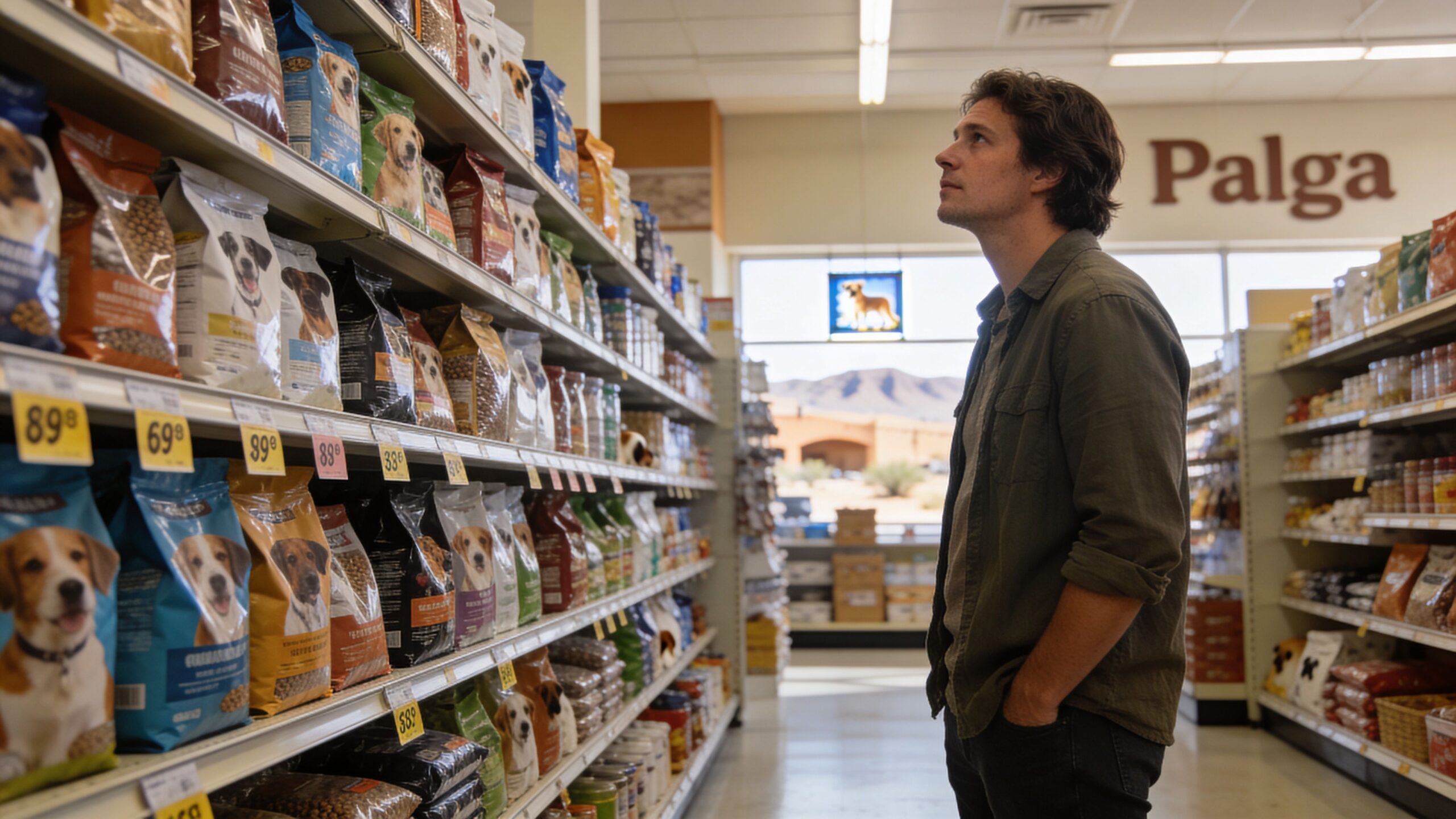
There is some good news. The U.S. dog food market is projected to reach $40.9 billion in 2025, while year-to-date pet food inflation stayed near -0.01%, which gives owners a more predictable base for planning, even with tariff pressure affecting parts of the pet category, according to Pet Food Processing’s 2025 industry outlook.
Build a total wellness budget
Many individuals budget backwards. They buy food first, then fit everything else around it. I think that’s a mistake.
Start with the whole picture:
- Nutrition: Food your dog does well on, not food that impresses strangers
- Routine care: Nail trims, bathing, coat upkeep, ear attention
- Seasonal needs: Shedding support, skin support, cleanup during dusty months
- Convenience costs: Delivery, rush appointments, replacing cheap tools that fail
Practical rule: Don’t judge your pet budget by the price of the bag. Judge it by how well the full routine holds together month after month.
What responsible spending looks like
A smart owner doesn’t chase the fanciest option. A smart owner chooses consistency. If your dog eats reliably, maintains weight, has good energy, and isn’t dealing with avoidable coat or skin neglect, you’re doing the job right.
That mindset matters more than hype. In a city like El Paso, where families value resilience and common sense, the best pet care plan is the one you can sustain without stress.
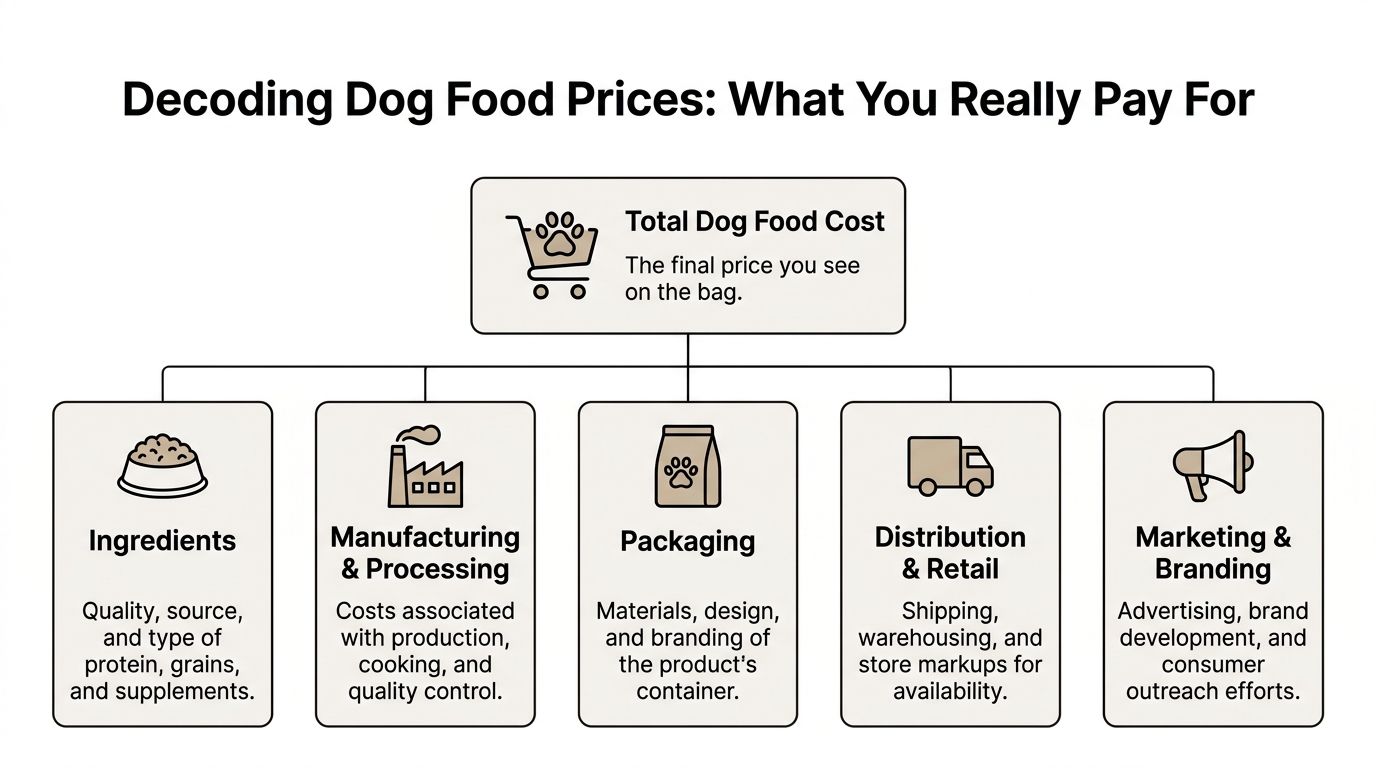
Decoding Dog Food Prices What You Really Pay For
The shelf price tells you almost nothing by itself. If you want to understand dog food cost, you need to look at what you’re really buying per day, not just per bag.
The biggest mistake owners make is comparing food by package size. That’s like comparing trucks by paint color instead of gas mileage. What matters is how much usable energy your dog gets from each dollar.
Calorie efficiency beats bag price
Tufts University laid this out clearly. For a 55-pound dog needing 1,100 kcal daily, feeding cost ranged from $0.55 to nearly $20 per day, a 36-fold difference, driven mainly by caloric density. Dry kibble tends to be more cost-efficient because it contains about 10% to 12% moisture, while fresh foods often contain 60% to 70% moisture, so owners must feed more volume to deliver the same energy, as explained by Tufts Petfoodology.
That’s the piece many labels avoid. Moisture can make food look fresh and appealing, but water doesn’t feed your dog. Calories do.
What changes your real feeding cost
Several things push your monthly total up or down:
- Dog size: Bigger dogs burn through food faster. No surprise there.
- Activity level: A couch dog and a working dog won’t cost the same to feed.
- Food format: Kibble, wet, fresh, and raw all deliver calories differently.
- Feeding accuracy: Scooping loosely instead of measuring adds waste fast.
- Treat habits: A cheap bag of food gets expensive if treats never stop.
The four food types owners compare most
Dry kibble
This is usually the most efficient format for cost per calorie. It stores well, portions easily, and works for households that need routine and predictability. A good kibble doesn’t need a luxury label to do its job.
Wet or canned food
Wet food can be useful for picky eaters or specific situations, but it usually costs more for the nutrition delivered because you’re paying for a product with much higher water content. Owners often underestimate how fast cans disappear in multi-dog homes.
Fresh or gently cooked food
This category sells convenience and image well. Some dogs do great on it. But the cost climbs quickly because you need larger portions to hit daily calorie needs. If your budget is tight, many people easily get trapped.
Raw diets
Raw feeding has loyal fans, but from a budget standpoint, it can get expensive fast. Storage, portioning, sourcing, and spoilage all matter. Raw also tends to come with more owner labor.
Your dog doesn’t care what trend is hot. Your dog cares that the bowl is consistent, appropriate, and sustainable.
A better way to compare foods
Use this short checklist when you shop:
- Check feeding directions first. Ignore the front of the bag.
- Look at how long the bag will last your dog. That’s your real benchmark.
- Watch moisture-heavy formats carefully. They often inflate daily cost.
- Measure meals. “Eyeballing it” is how food waste sneaks in.
- Track stool, coat, and energy. If those are stable, don’t let marketing shake you.
If you understand cost per calorie, you stop shopping emotionally. That alone can save a lot of money over the course of a year.
Cost Versus Quality Is Expensive Food Always Better
No, expensive dog food isn’t always better. That idea survives because pet marketing is polished and pet owners care a lot. Good intentions make people easy to upsell.
The premium market has real differences in sourcing, handling, and presentation. But price often reflects processing style, branding, and logistics more than meaningful improvement for the average healthy dog. Owners need to separate “costs more” from “does more.”
Where premium pricing really comes from
A major driver is processing. A freeze-dried raw diet can cost $14.73 per day, which is 72% more than a lightly cooked diet with similar ingredients, according to The Canine Health Nut’s cost comparison. That spread doesn’t automatically mean the more expensive option delivers superior outcomes.
Some high-ticket foods charge for scarcity language, boutique sourcing, storage complexity, and presentation. Those things can matter to a buyer. They don’t always matter to the dog in a way that justifies the added cost.
The false economy owners fall into
A lot of owners will fight hard to justify a premium bag because paying more feels responsible. I get it. Nobody wants to feel cheap with their dog.
But there’s a difference between investing in quality and buying a story. Veterinary experts cited in the verified data note that higher-cost ingredients and premium branding do not necessarily produce better health outcomes. That should reset the conversation immediately.
Here’s the practical problem. If you spend heavily on food that doesn’t meaningfully outperform a more sensible option, you create pressure elsewhere in your budget. Then owners delay baths, stretch grooming appointments too far apart, skip touch-ups, or settle for rushed care in crowded chain settings.
How to think like a disciplined buyer
Use this standard instead of hype:
- Choose complete, consistent nutrition
- Avoid paying extra just to feel upgraded
- Watch your dog, not the ad copy
- Make room in the budget for visible care
If you’re weighing fresh food options, it helps to compare claims against practical feeding realities. This guide on fresh food for dogs is useful as a companion read because it pushes owners to think beyond trend language and into actual day-to-day maintenance.
Expensive food can be a smart choice. It can also be an expensive distraction.
What quality should mean
For most families, quality means your dog eats well, maintains condition, digests food comfortably, and fits into a budget you can maintain. That’s it. Not drama. Not status. Not a bag that sounds handcrafted by a chef on a mountain.
Buy food with standards. Don’t buy food with a costume.
Calculating Your Dog's Annual Food Expenses
Individuals know what they paid today. They don’t know what they committed to for the year. That’s where dog food cost gets dangerous.
A food that feels manageable at checkout can become a long-term drain once you multiply it by every single day your dog eats. And unlike toys, bowls, or a leash, food is a non-stop expense. It doesn’t pause.
The simple formula that matters
Use this:
Daily food cost x 30 = monthly food cost
Daily food cost x 365 = annual food cost
That’s the cleanest way to compare options across formats.
You can also sanity-check a new food with this routine:
- Write down the daily feeding amount
- Figure out how many days one package lasts
- Divide package price by days of use
- Multiply by 30 and 365
That gives you true commitment.
Think in terms of your actual dog
A Chihuahua, a Border Collie, and a German Shepherd won’t cost the same to feed. Breed size, build, and activity all matter. In El Paso, active dogs often burn more through walks, play, yard time, and heat-related energy demands.
What owners should avoid is shopping by category name alone. “Raw,” “fresh,” “wholesome,” or “ancestral” doesn’t tell you what you’ll spend over a year. Only your dog’s daily intake does.
If you’re curious about raw ingredients and feeding discussions, this article on dog raw chicken is worth reading before you commit yourself to a more expensive format.
Estimated cost table for a 40lb dog
The verified data allows a useful comparison across food styles. Since costs vary widely by product and feeding needs, treat this table as a planning tool, not a guarantee.
| Food Type | Average Cost Per Day | Average Cost Per Month | Average Cost Per Year |
|---|---|---|---|
| Budget kibble | $0.55 | $16.50 | $200.75 |
| Premium kibble | Qualitatively higher than budget kibble | Qualitatively higher than budget kibble | Qualitatively higher than budget kibble |
| Wet food | Qualitatively higher than kibble | Qualitatively higher than kibble | Qualitatively higher than kibble |
| Fresh delivery | $5 to $6.50 | $150 to $195 | $1,825 to $2,372.50 |
| Raw | $6.30 to $6.50 | $189 to $195 | $2,299.50 to $2,372.50 |
The exact fresh and raw daily costs in verified data were given for a 30-pound dog, not a 40-pound dog, so use them as directional benchmarks. The larger point still holds. As food moisture rises and processing shifts into premium territory, your yearly total can climb sharply.
Three budget checks that prevent regret
Before you switch
Ask whether you’re changing food because your dog needs it or because a brand sold you a better story.
Before you upgrade
Run the annual number. If the increase crowds out grooming, routine maintenance, or emergency cushion, it’s not a wise upgrade.
Before you commit
Buy enough to test tolerance, consistency, and stool quality. Don’t lock into a feeding identity before you know whether it works in your household.
A calm budget beats a fashionable one. Every time.
Smart Budgeting Strategies to Lower Your Dog Food Cost
Most owners don’t need a miracle. They need a system. The easiest way to lower dog food cost is to remove waste, ignore trend pressure, and stop paying for features your dog doesn’t benefit from.
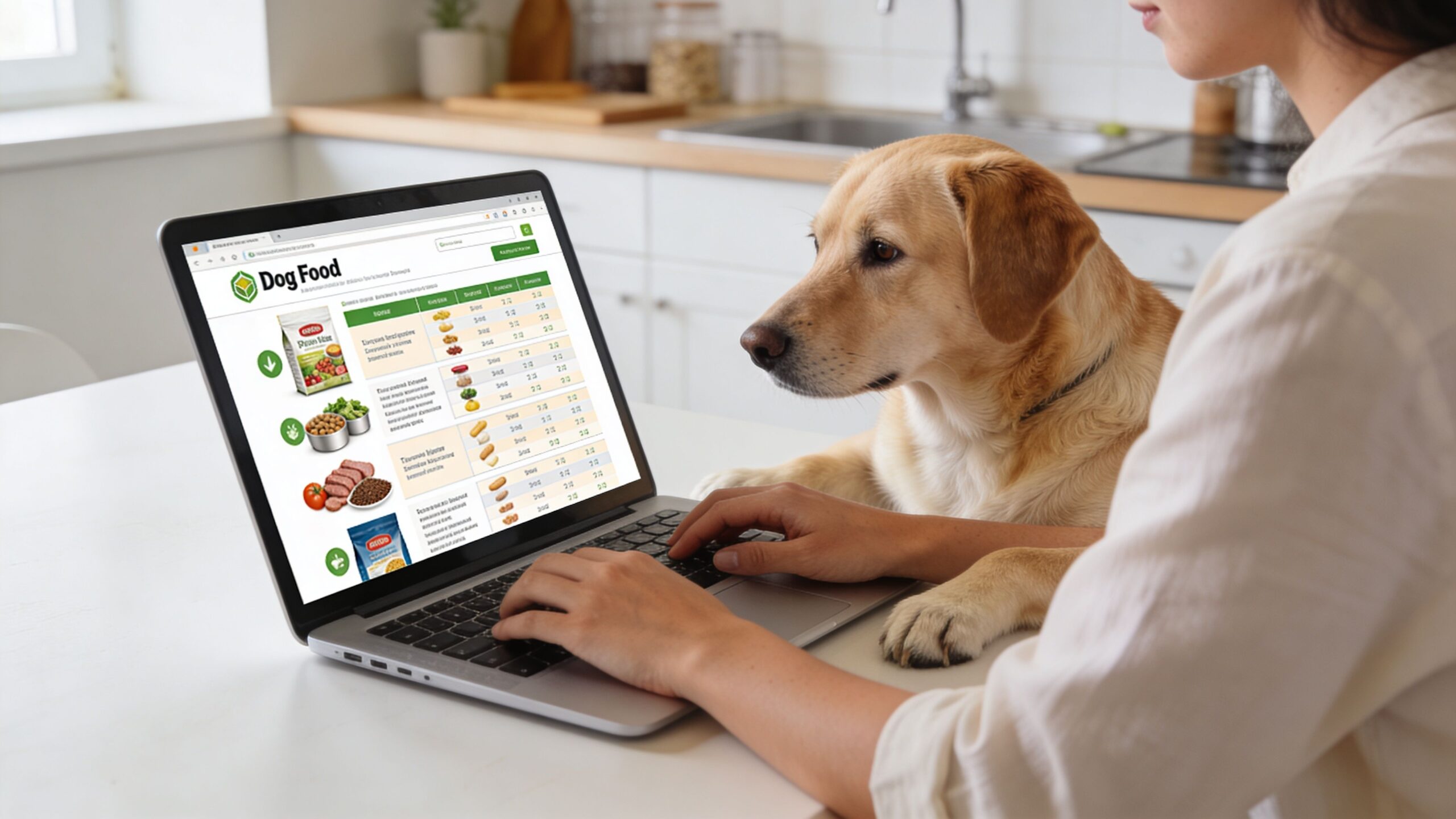
The pressure is real. In 2025, 52% of U.S. pet owners said they were concerned about affordability, and 28% feared they couldn’t afford pet products due to rising costs, according to Pet Food Industry’s report on flat pet food inflation and rising overall pet inflation. That’s exactly why smart budgeting matters.
Cut waste before you cut quality
Start with the boring stuff. That’s where the savings are.
- Measure meals: Overfeeding is one of the fastest ways to waste money.
- Store food correctly: A bad seal ruins freshness and leads to throwaway loss.
- Stop random treat inflation: Household “just because” treats add up quickly.
- Track how long each bag lasts: If you don’t know this, you can’t budget accurately.
Buy with discipline, not emotion
Don’t switch foods every time a package promises shinier coats or cleaner ingredients. Frequent food changes create confusion in both your dog’s digestion and your budget.
Use a repeatable buying routine:
- Set a target monthly range
- Compare foods by feeding duration
- Use auto-ship when it lowers cost
- Check loyalty offers without chasing gimmicks
Owners save the most money when they become boring shoppers.
Reallocate savings toward visible care
This is the part many dog food articles miss. Saving money on food isn’t the win by itself. The win is what you free up that money to do.
If you stop overspending on branding-heavy food, you can redirect those dollars toward services that create immediate, tangible benefits. Clean ears. Managed nails. A healthy coat. Less matting. Better comfort. A dog that feels good and looks cared for.
A short explainer on better buying habits can help reinforce the point:
My strongest budgeting advice
Use a three-bucket system for pet spending:
- Food that works
- Routine care you don’t delay
- Reserve money for surprises
That structure beats chasing “premium” in one category while neglecting another. Balanced care always wins.
The Total Wellness Budget Where Premium Grooming Fits
Food is the foundation, but it’s not the full picture. Your dog lives in a body that needs maintenance. Coat, skin, nails, ears, comfort, cleanliness, and handling all matter. That’s where owners need to think bigger than the bowl.
In 2025, U.S. pet food prices rose 1.2% annually, while veterinary services rose 7.1% and overall pet services climbed 5.0%. That gap makes disciplined spending more important, and it also highlights the value of locking in care through fixed offers like the $55 Snip & Style Saturday premium groom cited in the verified data.
Why grooming deserves a real line in the budget
Grooming isn’t cosmetic fluff. It supports comfort and function. Dogs feel overgrown nails. They feel tight mats. They feel dirty ears and overloaded undercoat. In El Paso, they also deal with climate conditions that can make skin and coat management more important, not less.
Owners often treat grooming like an optional extra until coat condition gets away from them. That’s backwards. Routine grooming is one of the clearest examples of preventive care you can see with your own eyes.
What separates premium pet grooming from chain volume
Standards matter here.
A disciplined El Paso dog grooming studio should not feel like a conveyor belt. Your dog should not be one more body cycling through noise, chaos, and rushed handoffs. Chains often run on volume. That model works for scale. It doesn’t always work for calm handling, consistent craftsmanship, or relationship-based care.
Better premium pet grooming is more intentional:
- One-on-one handling: Less stress, more focus
- Clear workflow: Fewer mistakes and fewer rushed shortcuts
- Consistent standards: The finish matters every time
- Clean environment: Hygiene is not negotiable
- Predictable booking: Busy owners need reliability
That’s especially important for families who want more than basic maintenance. They want polish, structure, and trust.
A good groomer doesn’t just make a dog look cleaner. A good groomer helps the dog stay more comfortable between appointments.
Why veteran-owned grooming stands out
A strong veteran-owned grooming business usually brings something chains can’t replicate well. Discipline. Accountability. Process. Pride in execution. Long-term thinking.
That matters because grooming quality lives in the details. Was the dog rushed? Were ears handled carefully? Were nails addressed properly? Was the trim balanced? Was the experience calm?
Owners who value independence and standards usually notice the difference quickly. If you want a sense of what structured service options look like, review these dog grooming prices and compare them against the rushed, impersonal feel many owners have come to expect elsewhere.
The smartest place to use your savings
If you save on food by choosing practical nutrition over inflated branding, putting some of that money into grooming is a strong move. The return is visible. Your dog feels better. Your home stays cleaner. Maintenance gets easier. You reduce the scramble that happens when care gets postponed too long.
And if you can access an affordable grooming promo without sacrificing standards, that’s not a small win. That’s disciplined budgeting done right.
Invest in Your Pet’s Well-Being with Glo More Grooming
Good pet ownership isn’t about spending the most. It’s about making strong decisions over and over. That’s the heart of this whole conversation about dog food cost.
Feed your dog well. Keep it practical. Don’t let branding drain your budget. Then use the money you protect to support the parts of care that improve your dog’s comfort, hygiene, and quality of life in ways you can see immediately.
That approach fits El Paso. We respect value here. We respect hard work, standards, and businesses that do things the right way. We also know the difference between cheap and efficient. Cheap falls apart. Efficient holds up.
If you want your dog to look sharp, feel clean, and stay on a care routine that works, choose providers who operate with discipline. Choose professionals who don’t run dogs through a volume machine. Choose people who care about craftsmanship, consistency, and community.
A dog that’s fed responsibly and groomed well isn’t just maintained. That dog is thriving.
If you’re ready for El Paso dog grooming that reflects real standards, book with Glo More Grooming. This is premium pet grooming with a disciplined, one-on-one approach, built for owners who want better than chain-store volume. As a veteran-owned grooming studio, Glo More Grooming brings structure, care, and pride to every appointment. Ask about the affordable grooming promo through Snip & Style Saturday, reserve your slot early, or reach out about concierge-level support. Book now and let your dog Glo More.